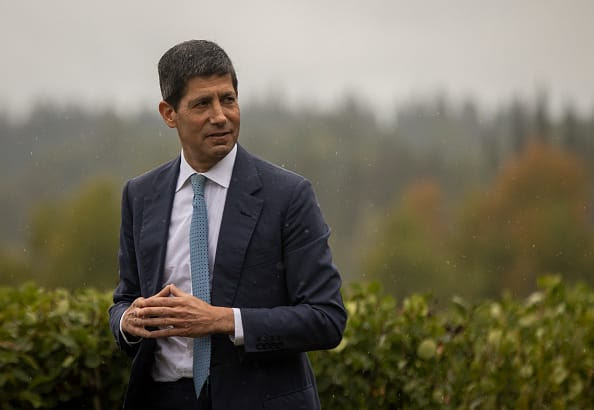

Fed Chair Kevin Warsh delivered a clear message at Jackson Hole: the fight against inflation is not finished, and interest rates could still move higher if price pressures remain too strong.
Warsh said the Federal Reserve still has work to do unless policymakers become confident that inflation is moving sustainably toward the central bank’s 2% target. He stopped short of promising another rate hike, but made clear that the option remains on the table.
Warsh Wants the Fed to Make Fewer Promises
One of the biggest themes of the speech was how the Federal Reserve communicates with markets.
Warsh argued that the Fed should move away from detailed forward guidance, where policymakers give investors strong signals about what they expect to do with interest rates months in advance.
Instead, he wants the central bank to remain more flexible and make decisions based on incoming inflation, employment and economic data.
That could make future Fed meetings less predictable for investors.
Another Rate Hike Is Still Possible
Warsh also pushed back against the idea that current interest rates are already putting heavy pressure on the economy.
The US economy remains resilient, while business investment and consumer activity suggest that financial conditions may not be restrictive enough to guarantee inflation will return to 2%.
That matters because if economic growth remains strong while inflation stays elevated, the Fed could have room to raise rates again without immediately pushing the economy into a downturn.
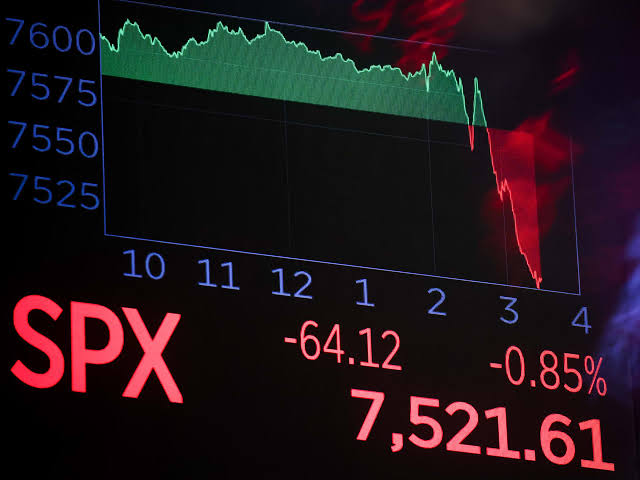
Markets quickly adjusted their expectations following the speech, with investors increasing bets on another rate increase.
Fed Independence Remains in Focus
Warsh’s comments also come as President Donald Trump continues to push publicly for lower interest rates.
But the Fed chair kept the focus on inflation and monetary policy rather than politics, reinforcing the central bank’s commitment to making decisions based on economic conditions.
For markets, this creates an important tension. Trump wants cheaper borrowing, while the Federal Reserve remains concerned that lowering rates too quickly could allow inflation to strengthen again.
Why It Matters for Markets
Higher interest rates generally make borrowing more expensive for businesses and consumers while increasing the attractiveness of Treasury bonds and the US dollar.
They can also create pressure for highly valued technology and growth stocks, because higher rates reduce the present value investors place on future earnings.
Gold can face pressure as well when interest rates and the US dollar rise, while banks and financial companies can sometimes benefit from higher rates.
The next inflation and labor-market reports will therefore become even more important as investors try to determine the Fed’s next move.
Investor takeaway: Jackson Hole did not guarantee another rate hike, but Kevin Warsh made clear that the Fed is not ready to declare victory over inflation. If inflation remains stubborn and the US economy continues to hold up, another increase could remain on the table, keeping stocks, bonds, gold and the dollar sensitive to every major economic report.
Disclosure: This article does not represent investment advice. The content and materials featured on this page are for educational purposes only.
Related: US equities had a mixed and volatile week. Weekly market recap