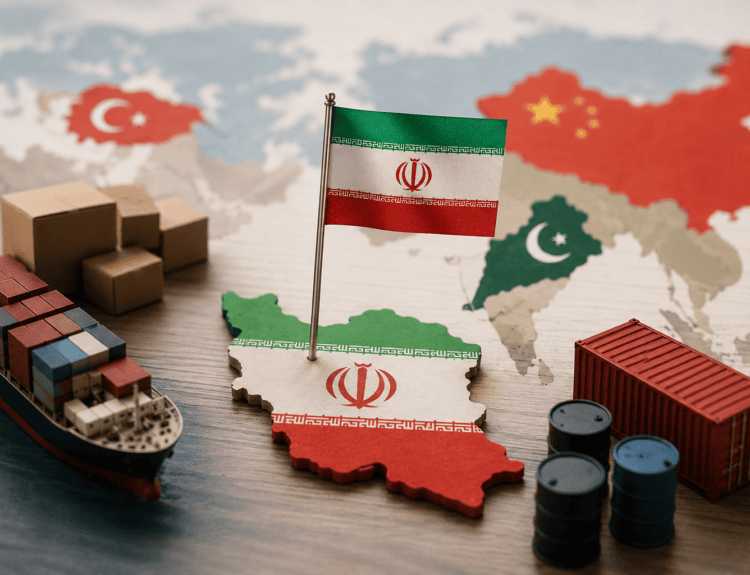


Iran’s economy is under severe pressure from the US war, sanctions and naval blockade, but it has still avoided a complete collapse. Bloomberg and The Straits Times point to decades of sanctions experience, alternative trade routes and emergency government measures as key reasons Tehran has been able to keep the economy functioning.
The Economic Damage Is Huge
Iran was already struggling before the latest conflict. Its economy contracted 1.5% in 2025, and the IMF expects GDP to shrink another 6.1% in 2026.
The Iranian government estimated that just six weeks of earlier attacks caused around $270 billion in economic damage, close to the country’s projected $300 billion GDP for 2026.
At least 1 million jobs are estimated to have disappeared since the conflict began, while the UN Development Programme estimates another 4.1 million people could fall below the international poverty line.
Inflation has also surged, while the rial has repeatedly fallen to record lows.
The Blockade Is Now the Bigger Problem
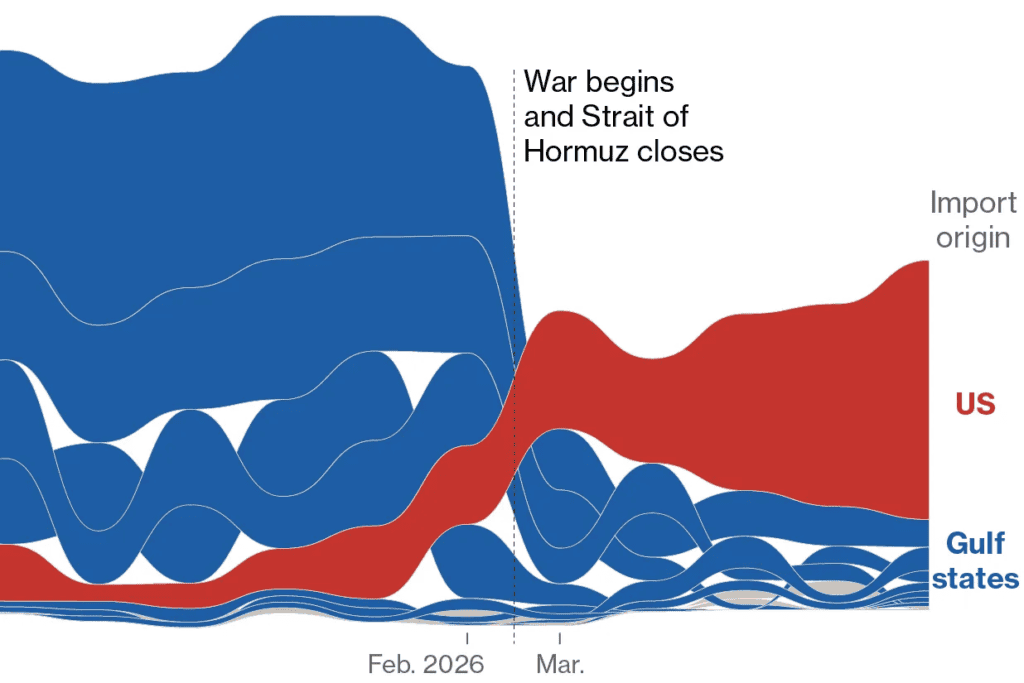
The US naval blockade is proving more damaging than traditional sanctions because it physically prevents Iranian oil from reaching buyers.
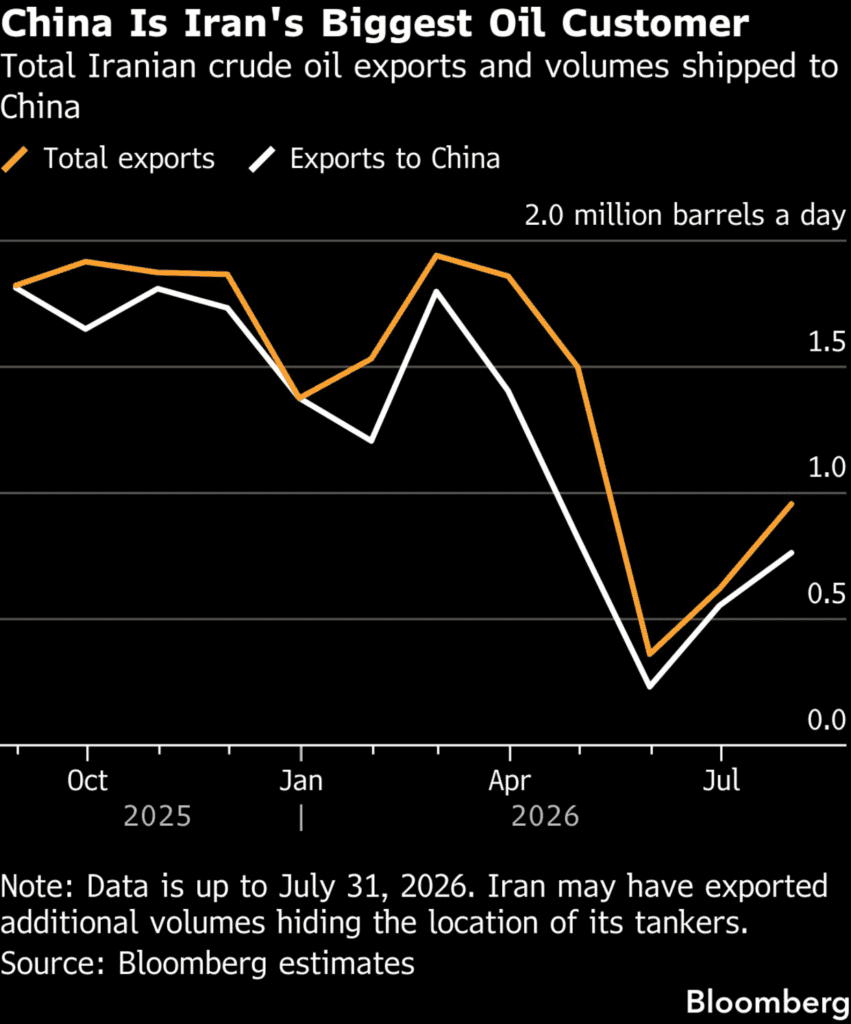
Iranian crude loadings fell from around 2 million barrels per day in March to just 220,000 to 255,000 barrels per day in August. Since the blockade was reimposed in July, Iran has gone roughly seven weeks without meaningful crude exports through the Strait of Hormuz.
That is particularly serious because China remains Iran’s main oil customer, and oil exports provide Tehran with crucial foreign currency.
So Why Hasn’t the Economy Collapsed?
Iran has spent decades learning how to operate under sanctions.
It uses shadow fleets, shell companies and alternative payment systems to keep trade moving. The country has also expanded land and rail routes through neighbors including Pakistan and Afghanistan, increased rail trade with China, and relied more heavily on northern ports connected to Russia and the Caspian Sea.
Iran also increased oil exports before the war and benefited from higher crude prices, giving the government some financial buffer.
Tehran has banned exports of some food, agricultural products, petrochemicals and steel to keep essential goods inside the country and is prioritizing its limited foreign currency for critical imports.
But the Pressure Is Getting Harder to Manage
Iran’s resilience does not mean the economy is healthy.
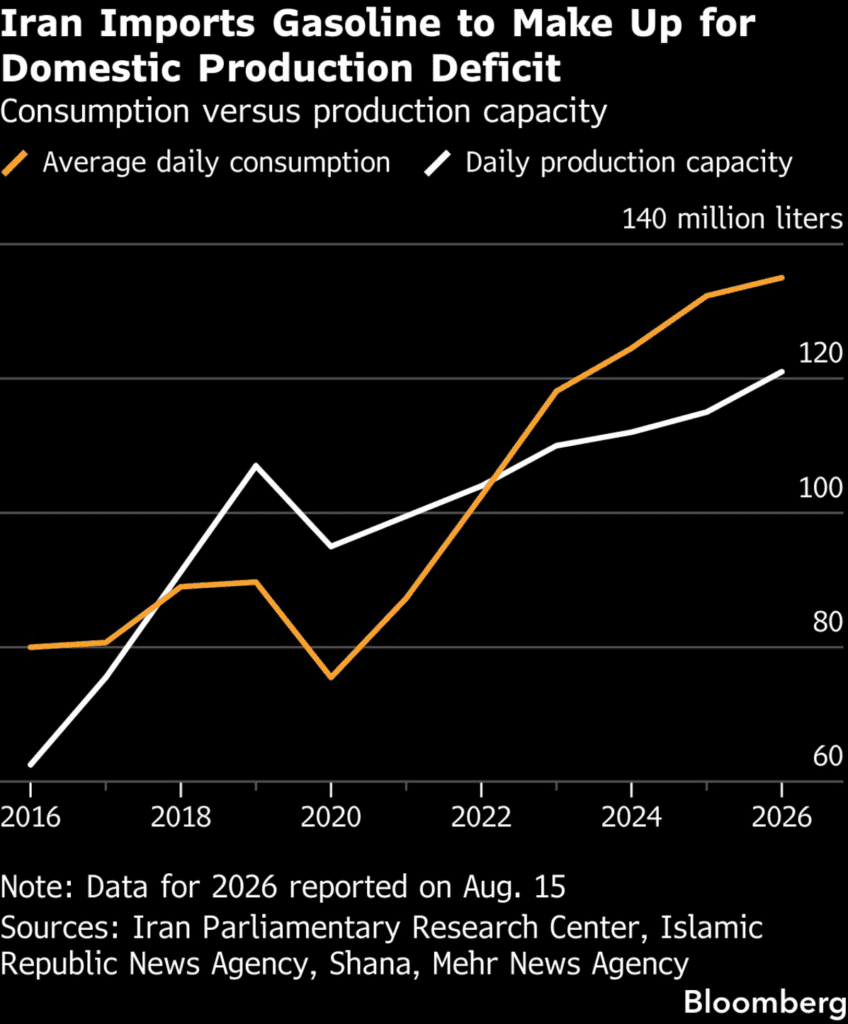
Factories face shortages, imports have fallen sharply and the government has fewer ways to access foreign currency. Earlier estimates suggested Iran’s accessible reserves were equivalent to only around three months of pre-war imports.
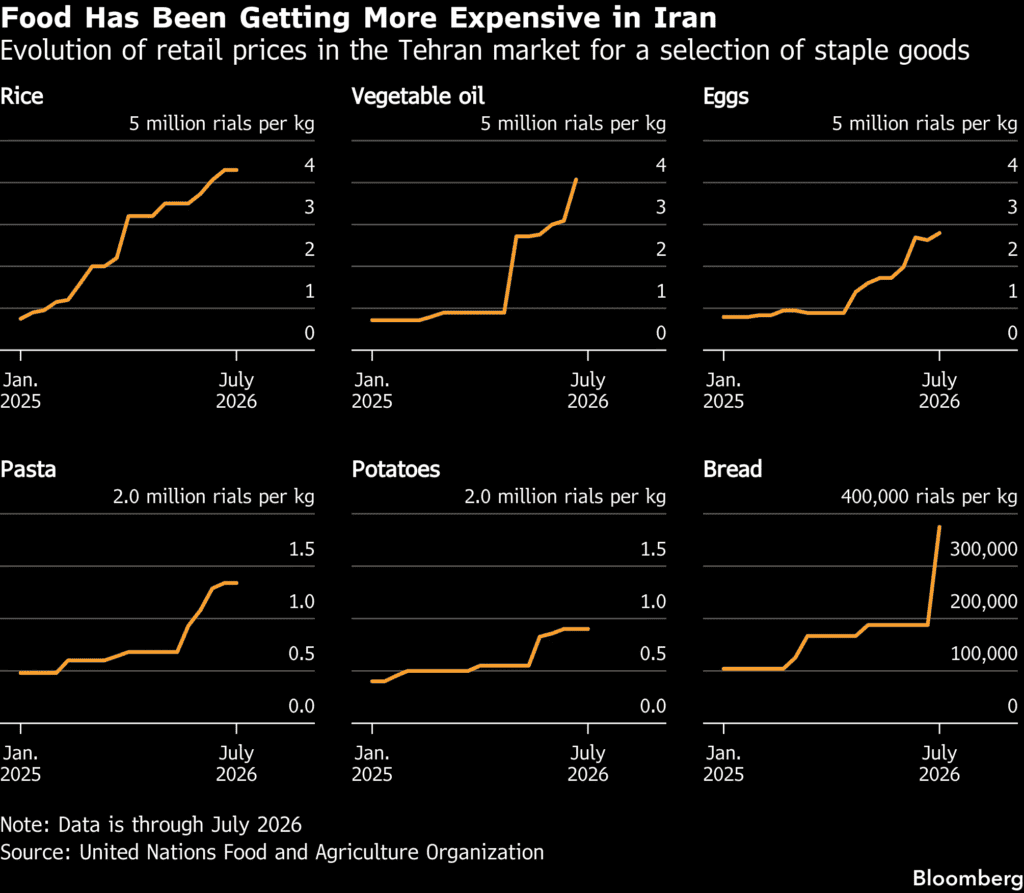
The pressure has become even stronger in recent weeks as Washington tightens sanctions while maintaining the blockade. Iranian officials themselves have acknowledged growing difficulties securing foreign currency and essential goods.
Overall, Iran has survived because it has spent decades adapting to isolation, built alternative trade networks and entered the conflict with some financial buffers. But the US blockade is now cutting deeper than sanctions alone ever did. The economy has not collapsed, but the longer oil exports remain blocked, the harder that resilience will be to maintain.