


US stocks finished a volatile week with mixed results as Nvidia’s blockbuster earnings boosted technology shares, while Federal Reserve Chair Kevin Warsh’s hawkish message at Jackson Hole revived concerns about higher interest rates.
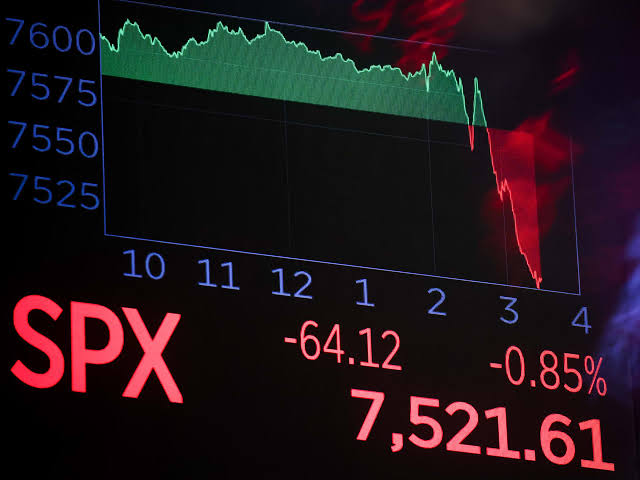
The S&P 500 gained 0.5% for the week, while the Nasdaq rose 0.9%. The Dow Jones also added 0.5%, but small-cap stocks struggled, with the Russell 2000 falling 1.5%.
Nvidia Gives Tech Stocks a Boost
Nvidia was one of the week’s biggest market drivers.
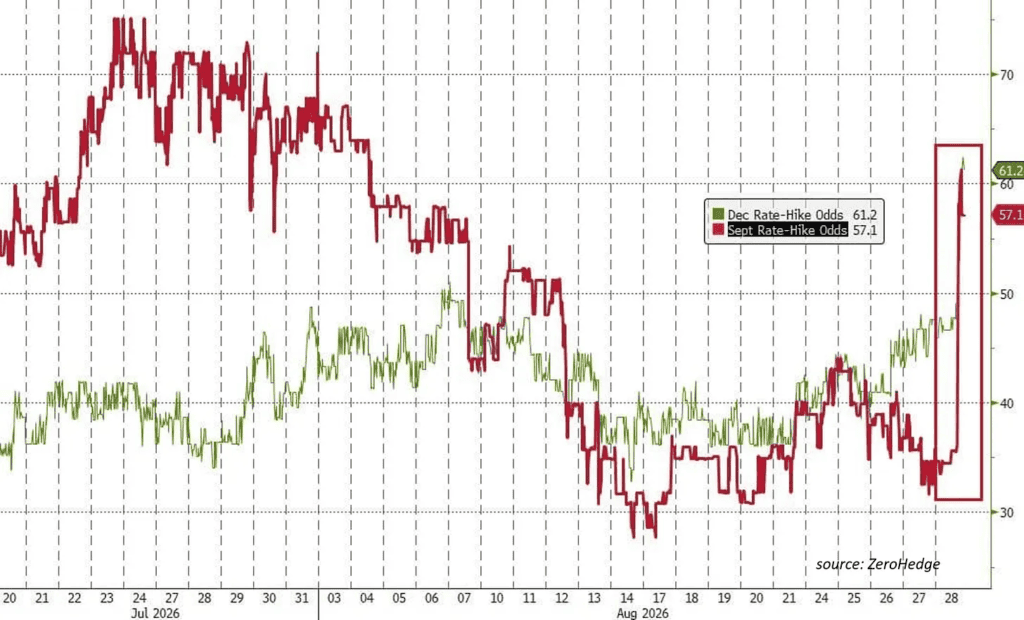
The stock jumped nearly 9% on Wednesday after the company forecast around 70% revenue growth for its next fiscal year. The rally added approximately $442 billion to Nvidia’s market value in a single session, its biggest one-day increase since April 2025.
Nvidia’s results helped push the Nasdaq 100 up 1.4% that day, showing that enthusiasm around AI spending remains a major source of support for the broader stock market.
But the mood changed toward the end of the week.
Related: Nvidia Is Increasingly Financing Its Own AI Boom
Fed Pushes Rate Expectations Higher
At Jackson Hole, Fed Chair Kevin Warsh emphasized that controlling inflation remains the central bank’s priority and said financial conditions are not currently restrictive.
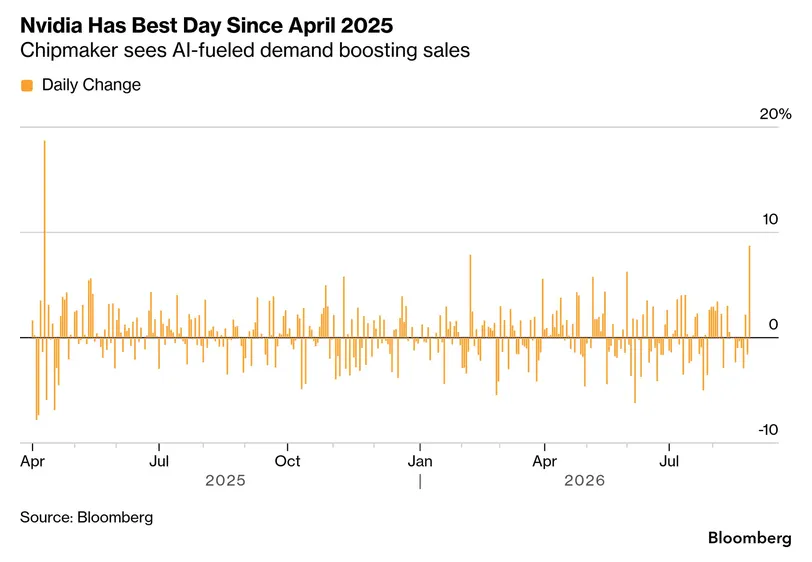
While Warsh did not directly promise another rate increase in September, investors interpreted his comments as hawkish.
Markets pushed the probability of a September rate hike above 50%, compared with roughly 30% previously. Traders now see at least one additional increase by the end of the year as nearly certain, according to Global Markets Investor.
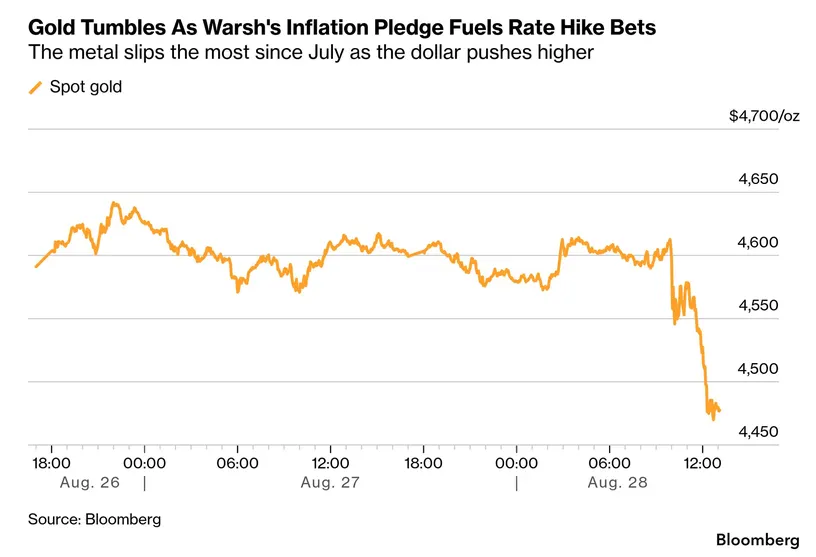
The US dollar strengthened, while gold declined, as investors adjusted to the possibility that interest rates could remain higher than previously expected.
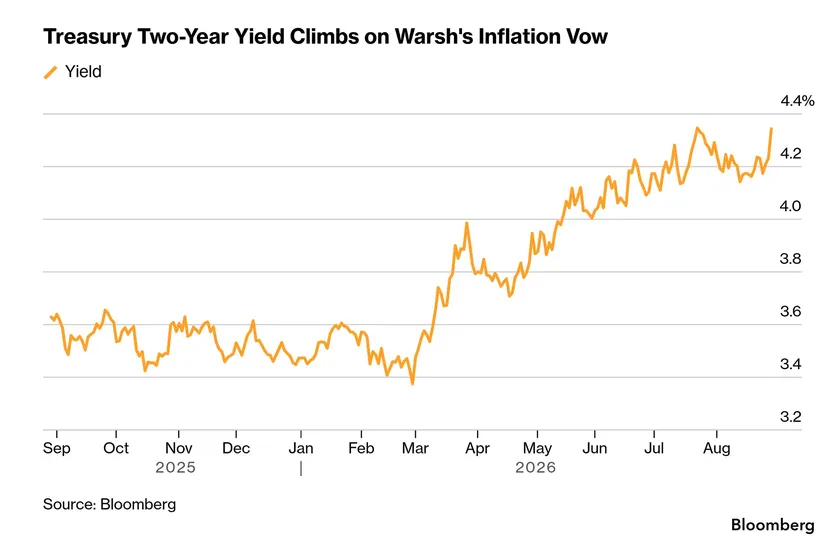
The reaction was particularly visible in short-term bonds. The 2-year Treasury yield jumped 11 basis points to 4.34% following Warsh’s remarks, while the 30-year yield moved relatively little.
Oil Rises as Iran Uncertainty Returns
Oil moved higher after the Trump administration indicated that it was not interested in returning to the terms of the June memorandum of understanding with Iran over the Strait of Hormuz.
That revived concerns about geopolitical risks surrounding one of the world’s most important oil shipping routes.
Despite the week’s swings, the VIX volatility index remained close to its lowest level of the year, suggesting investors are still relatively calm about the broader market outlook.
How Major Assets Performed
For the week, the S&P 500 rose 0.5%, Nasdaq gained 0.9%, Dow added 0.5% and the Bank Index climbed 0.7%. Bitcoin also gained 0.7%.
The US Dollar Index rose 0.9%, while precious metals struggled: gold fell 3.2% and silver dropped 3.6%. WTI crude oil declined 4.2% over the full week, despite rising after the latest Iran-related developments.
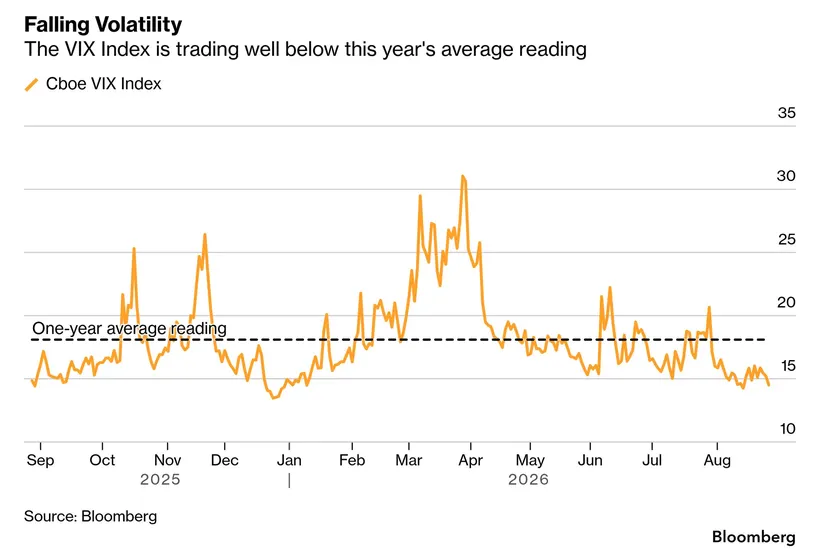
Meanwhile, the 10-year Treasury yield fell 12 basis points, and the VIX declined 5%.
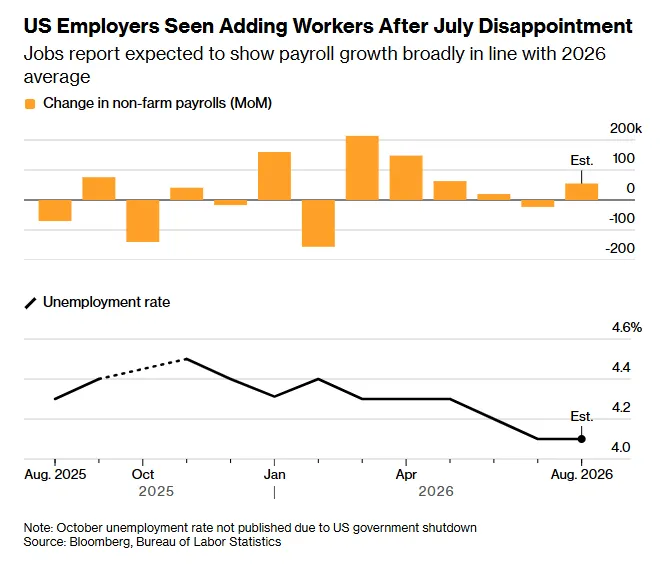
Jobs Data Takes Center Stage Next Week
Investors now face another important week of US economic data.
The calendar includes ISM manufacturing and July job openings on Tuesday, ADP private employment on Wednesday, Challenger job cuts and ISM services on Thursday, followed by the August US jobs report on Friday.
The labor-market numbers could be particularly important after Warsh’s comments. Strong employment data could reinforce expectations for another Fed rate hike, while signs of a weaker job market could complicate that outlook.
Investor takeaway: Nvidia showed that the AI growth story remains powerful enough to push the broader market higher, but the Fed is becoming an increasingly important counterweight. With rate expectations moving higher, next week’s employment data could determine whether investors continue buying growth stocks or become more cautious about valuations and interest rates.
Disclosure: This article does not represent investment advice. The content and materials featured on this page are for educational purposes only.