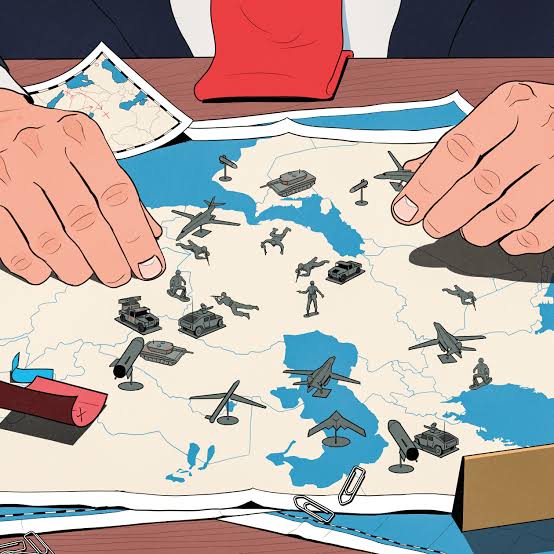



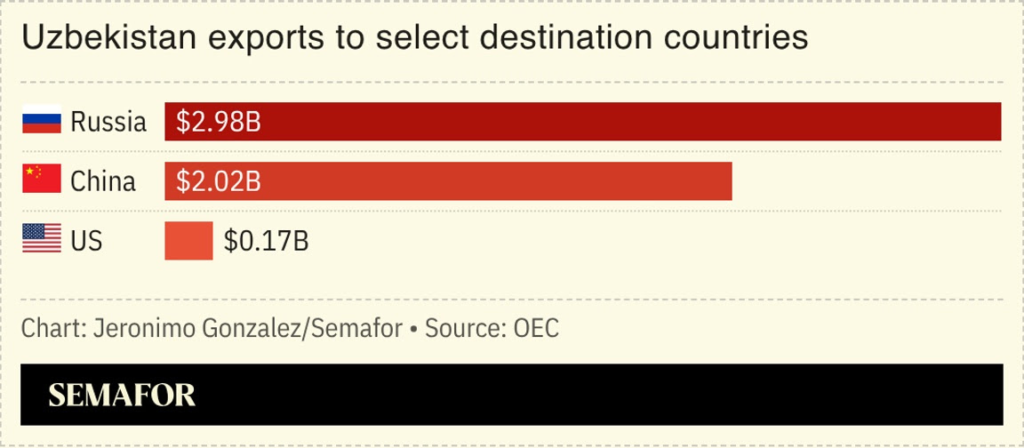
US is stepping up its engagement with Central Asia, seeking stronger mineral supply chains and trade routes in a region with extensive economic ties to Russia and China.
Secretary of State Marco Rubio met the foreign ministers of Kazakhstan, Kyrgyzstan, Tajikistan, Turkmenistan and Uzbekistan in Samarkand on October 19 under the C5+1 diplomatic forum.
The talks focused on transport, critical minerals, energy and security, according to Euronews.
Minerals need a route to market
The governments backed investment in the Trans-Caspian trade route, also known as the Middle Corridor. It connects Central Asia with Europe through the Caspian Sea, the South Caucasus and Türkiye, bypassing Russia.
They also supported closer industrial cooperation and simpler customs procedures.
For mineral projects, transport is a practical consideration. Deposits alone do not create reliable supplies: extraction, processing and delivery must all be commercially viable.
Uzbek Foreign Minister Bakhtiyor Saidov proposed cooperation stretching from geological exploration to processing and local industrial clusters.
Cooperation does not mean exclusivity
Rubio said Washington was not asking regional governments to stop working with other countries.
“This is not about coming here to say, stop talking to somebody else or stop working with some other country,” he told Euronews.
The initiative fits the broader supply-chain competition covered in EU in Talks to Join US-Led Alliance to Secure Tech Supply Chains.
However, the joint statement provided no figures for new infrastructure funding.
The investment test comes after the diplomacy: whether these commitments produce financed projects, processing capacity and dependable transport links.
Disclosure: This article does not represent investment advice. The content is for informational and educational purposes only.