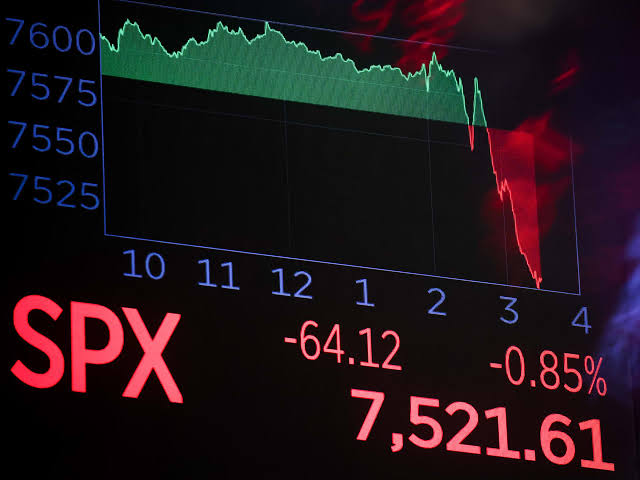



France’s struggle to reassure investors became harder on Monday as a weekend of protests and violence triggered fresh selling in government bonds and Paris-listed stocks.
Demonstrations over living costs and deteriorating public services escalated into looting and damage in several cities. Authorities reported nearly 2,400 arrests, while President Emmanuel Macron condemned the violence in a televised address.
The unrest has brought a difficult political question into financial markets: can the government deliver a credible budget while facing such strong public opposition?
Borrowing costs rise again
Reuters reported that France’s 10-year government bond yield rose 13 basis points to approximately 4.9% during Monday’s trading.
Its borrowing premium over Germany reached around 146 basis points, the widest in two weeks. The CAC 40 fell approximately 1.5% as investors assessed the consequences for businesses and public finances.
The euro also weakened. These were trading-session readings, rather than final closing figures.
The renewed pressure follows the concerns outlined in France’s Debt Troubles Put Europe on Alert.
The budget challenge gets harder
France already faces weak growth, substantial debt and a difficult parliamentary path for its budget.
The protests make decisions over spending and taxation more politically sensitive ahead of the 2027 presidential election. Yet delaying those decisions could further weaken confidence among lenders.
The financial implications also extend beyond government borrowing. Disruption can hurt retailers, damage property and discourage spending in affected areas.
France’s immediate challenge is to restore public order while convincing investors that its government can still deliver workable fiscal decisions.
Disclosure: This article does not represent investment advice. The content is for informational and educational purposes only.