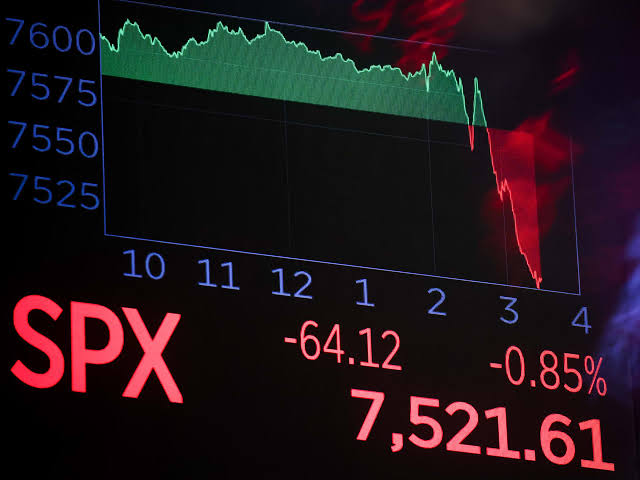



Most American investors are rethinking what counts as a solid return as global markets shift and traditional benchmarks lose their edge. With economic uncertainty making projections less reliable, the average annual stock market return has fallen below the long-held 7 percent mark. Understanding how to set realistic investment return expectations matters now more than ever. This guide helps experienced investors develop smarter strategies for adapting to unpredictable financial climates and optimizing portfolio results across all regions.
Table of Contents
- Defining Investment Return Expectations Today
- Major Asset Classes and Their Outlook
- Factors Shaping 2025 Return Projections
- Managing Risks in Uncertain Markets
- Common Timing and Forecasting Mistakes
Key Takeaways
| Point | Details |
|---|---|
| Understand the Evolving Return Expectations | Modern investment returns require a nuanced approach that takes into account various economic indicators rather than relying solely on historical averages. |
| Adapt to Market Volatility | Investors should develop dynamic strategies that incorporate scenario planning and regularly reassess their expectations based on changing conditions. |
| Diversify Across Major Asset Classes | A well-constructed portfolio should include diverse asset classes, each with different risk profiles, to mitigate concentration risks and enhance potential returns. |
| Avoid Common Timing Mistakes | Implement disciplined investment strategies to prevent emotional decision-making and overreactions to market fluctuations, ensuring a long-term focus. |
Defining Investment Return Expectations Today
Investors today face an increasingly complex landscape where traditional return expectations are being reshaped by unprecedented market dynamics. Understanding what constitutes reasonable investment returns requires a nuanced approach that balances historical performance with current economic indicators. Evaluating investment opportunities demands a strategic mindset that goes beyond simplistic percentage projections.
Modern return expectations are no longer about guaranteed fixed percentages but about understanding risk-adjusted performance across different asset classes. Investors must recognize that returns are not uniform and vary dramatically based on multiple factors including market volatility, global economic conditions, sector performance, and individual investment strategies. The traditional benchmark of 7% annual stock market returns no longer provides a comprehensive view of potential investment outcomes.
To develop realistic return expectations, investors need to adopt a multi-dimensional perspective. This means considering not just potential gains, but also potential risks, liquidity requirements, and individual financial goals. Balancing risk and return becomes crucial in navigating the uncertain investment terrain of 2025, where global economic shifts can rapidly transform market conditions.
Pro tip: Develop a dynamic investment return model that incorporates scenario planning and regularly reassesses your expectations based on changing market conditions and personal financial objectives.
Major Asset Classes and Their Outlook
Investment strategies in 2025 require a comprehensive understanding of major asset classes and their potential performance trajectories. Understanding asset classes provides investors with a critical framework for navigating complex market environments. Each asset class presents unique characteristics, risk profiles, and potential returns that demand careful evaluation and strategic positioning.

The primary asset classes investors should consider include stocks, bonds, real estate, commodities, and alternative investments. Stocks represent equity ownership and typically offer higher potential returns with corresponding higher volatility. Bonds, by contrast, provide more stable income streams and lower risk profiles. Real estate investments continue to offer diversification benefits, with commercial and residential sectors showing different performance potentials. Commodities like gold and agricultural products can serve as inflation hedges, while emerging alternative investments such as cryptocurrencies and private equity present both significant opportunities and substantial risks.
Effective asset allocation strategies become crucial in managing portfolio performance across these diverse asset classes. Investors must recognize that no single asset class will consistently outperform in all market conditions. Successful portfolio construction requires dynamic rebalancing, understanding correlations between different asset types, and maintaining flexibility to adapt to rapidly changing economic landscapes. This approach allows investors to mitigate risks while positioning themselves to capture potential growth opportunities.
Pro tip: Develop a disciplined quarterly review process to reassess your asset allocation, ensuring your investment mix remains aligned with your financial goals and risk tolerance.
Here’s a summary comparison of major asset classes in the current investment landscape:
| Asset Class | Key Strength | Main Risk Factor | Typical Investor Role |
|---|---|---|---|
| Stocks | High growth potential | Elevated volatility | Long-term capital growth |
| Bonds | Steady income | Interest rate fluctuations | Income and capital protection |
| Real Estate | Diversification benefit | Market and liquidity risk | Inflation hedge, income |
| Commodities | Inflation protection | Price swings, global factors | Portfolio diversification |
| Alternatives | Unique opportunity | Regulatory, valuation risk | Non-correlated returns |
Factors Shaping 2025 Return Projections
Investors navigating the 2025 investment landscape must carefully consider multiple interconnected factors that will significantly influence return projections. Economic indicators play a critical role in understanding potential market performance, revealing complex relationships between global economic trends and individual investment opportunities. These indicators provide crucial insights into potential return trajectories across different asset classes and investment strategies.
Key factors shaping return projections include macroeconomic trends, geopolitical dynamics, technological disruptions, and monetary policy shifts. Inflation remains a paramount concern, with potential impacts on asset valuations and investment returns. The Federal Reserve’s monetary policy approach will continue to be a central determinant of market sentiment and investment performance. Global supply chain reconfiguration, ongoing technological transformations, and emerging market developments will also create significant variability in potential returns across different sectors and investment vehicles.
The interplay between inflation forecasts and monetary policy will be particularly influential in determining investment return expectations. Investors must develop nuanced strategies that account for potential economic scenarios, including potential recessionary risks, inflationary pressures, and unexpected market disruptions. Understanding these complex dynamics requires a multifaceted approach that goes beyond traditional financial analysis and incorporates broader economic and technological trend assessments.
Pro tip: Develop a flexible investment strategy that can adapt to multiple economic scenarios, maintaining diversification and building in strategic contingency options for potential market shifts.
Managing Risks in Uncertain Markets
Navigating investment risks in 2025 demands a sophisticated approach that goes beyond traditional risk management strategies. Portfolio risk management has become increasingly complex, requiring investors to develop adaptive and resilient investment frameworks. The unprecedented economic uncertainty demands a multifaceted approach that anticipates potential market disruptions and creates strategic buffers against volatility.
Key risk management strategies involve comprehensive diversification, scenario planning, and maintaining significant financial flexibility. Investors must construct portfolios that can withstand multiple economic scenarios, balancing high-potential investments with protective instruments that mitigate potential downside risks. This approach includes strategic asset allocation across different sectors, geographic regions, and investment classes to reduce concentration risk and create natural hedging mechanisms against market fluctuations.
Market volatility strategies have become increasingly sophisticated, requiring investors to develop dynamic risk assessment models. These models must incorporate both quantitative financial metrics and qualitative assessments of broader economic and geopolitical trends. Understanding the interconnected nature of global markets means recognizing that traditional risk management techniques may no longer provide complete protection against emerging economic challenges.
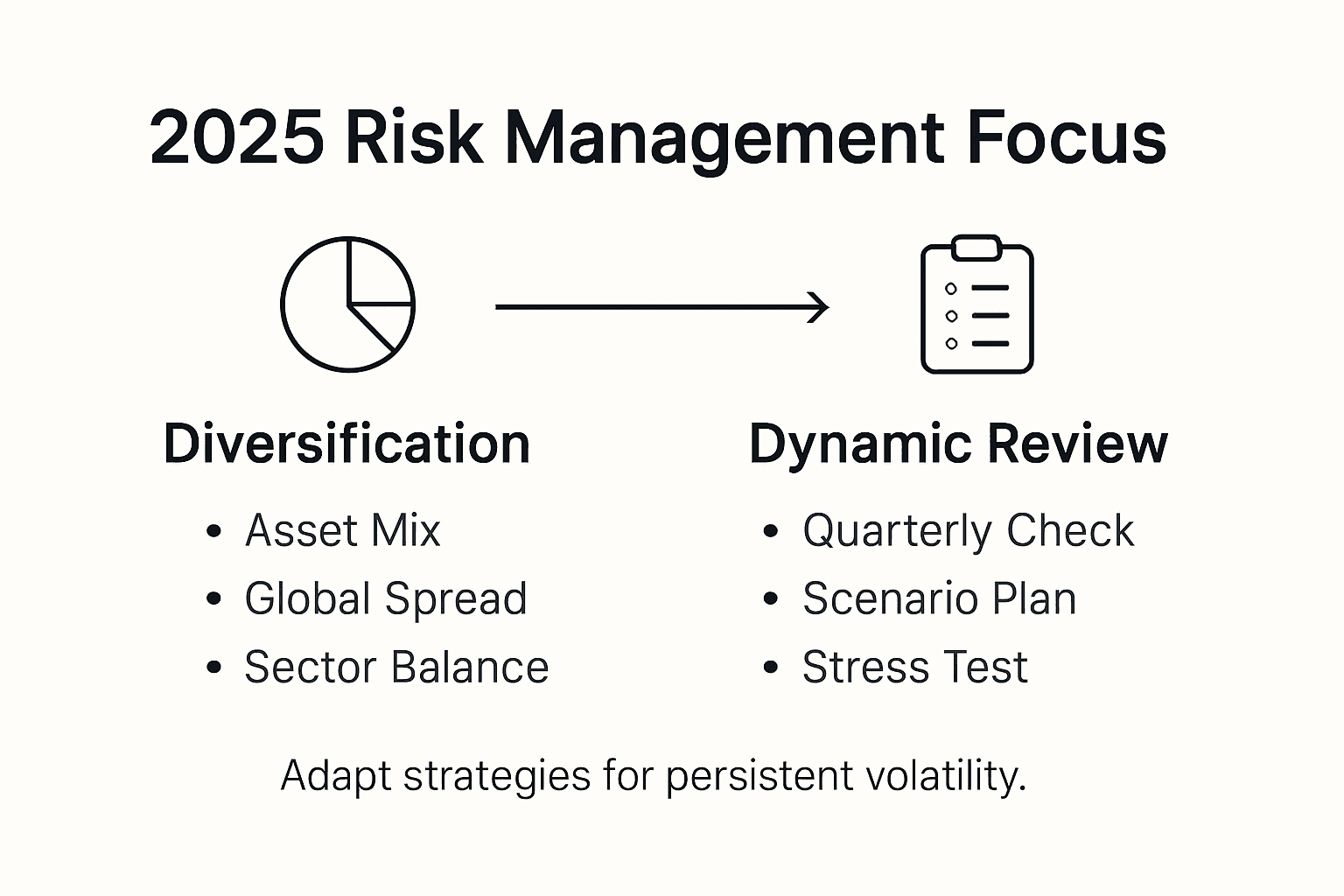
Pro tip: Implement a quarterly risk reassessment protocol that systematically reviews your portfolio’s risk exposure, adjusting allocations and hedging strategies to maintain optimal protection in changing market conditions.
Common Timing and Forecasting Mistakes
Investors frequently encounter complex challenges when attempting to predict market movements and time their investment strategies. Forecasting errors represent a significant obstacle in developing accurate investment projections, often stemming from cognitive biases, overconfidence, and misinterpretation of historical data. Understanding these pitfalls is crucial for developing more robust and realistic investment approaches.
The most prevalent timing mistakes include emotional decision-making, overreacting to short-term market fluctuations, and attempting to perfectly time market entry and exit points. Investors typically fall into predictable traps such as confirmation bias, where they selectively interpret information that confirms their existing beliefs, and recency bias, which causes them to place excessive weight on recent market performance. Timing risk in investments can dramatically undermine portfolio performance, with many investors losing significant potential returns by making reactionary decisions based on temporary market movements.
The following table outlines common investor timing mistakes and strategies for overcoming them:
| Mistake | Underlying Cause | Risk for Investors | Mitigation Strategy |
|---|---|---|---|
| Emotional decisions | Fear or excitement | Buy high, sell low | Use systematic investing rules |
| Overreacting to news | Recency bias | Excessive trading, losses | Maintain long-term perspective |
| Attempting to time market | Overconfidence | Miss optimal opportunities | Rely on dollar-cost averaging |
| Ignoring diversification | Confirmation bias | Concentration risk | Regularly rebalance portfolio |
Successful investors develop strategies that mitigate these common forecasting mistakes by implementing disciplined approaches. This involves creating systematic investment processes that reduce emotional interference, utilizing dollar-cost averaging to smooth out market volatility, and maintaining a long-term perspective that transcends short-term market noise. Critical techniques include developing multiple scenario analyses, maintaining diversified portfolios, and creating flexible investment frameworks that can adapt to changing market conditions without making reactive, potentially destructive timing decisions.
Pro tip: Implement a structured decision-making framework that separates emotional impulses from strategic investment choices, using predetermined rules and objective criteria to guide your investment timing and forecasting approaches.
Take Control of Your Investment Return Expectations Today
Navigating the complex challenges of 2025 investment volatility requires more than just theory it demands actionable strategies tailored to your unique financial goals and risk tolerance. The article highlights how balancing risk and return amid uncertain economic and geopolitical shifts is critical for maintaining realistic investment return expectations. If you are feeling overwhelmed by market unpredictability or frustrated by common forecasting and timing mistakes now is the time to build a resilient portfolio that adapts to changing conditions.
Explore practical insights on balancing risk and return and learn effective portfolio risk management techniques designed for today’s dynamic market environment. At finblog.com we provide expert guidance, comprehensive educational content, and consultation services that help serious investors like you avoid emotional decision-making and implement disciplined approaches. Don’t let market volatility derail your financial future take decisive action now by visiting our site and start shaping a confident investment strategy that meets the demands of 2025 and beyond.
Frequently Asked Questions
What are realistic investment return expectations for 2025?
Investors should adopt a multi-dimensional perspective when setting return expectations, recognizing that reasonable returns will vary based on market conditions, asset classes, and individual financial goals. Traditional benchmarks, like a 7% return, may not fully capture potential investment outcomes given current volatility.
How can I effectively manage risks in my investment portfolio?
To manage risks in uncertain markets, investors should focus on comprehensive diversification, scenario planning, and maintaining financial flexibility. Constructing a resilient portfolio that balances high-potential investments with protective instruments is essential for mitigating downside risks.
What factors influence investment return projections in 2025?
Key factors include macroeconomic trends, geopolitical dynamics, technological disruptions, and shifts in monetary policy. Specifically, inflation forecasts and central bank strategies will significantly impact asset valuations and overall investment performance.
What common mistakes do investors make when timing the market?
Common mistakes include emotional decision-making, overreacting to short-term fluctuations, and attempting to time market entries and exits. Implementing systematic investment rules, maintaining a long-term perspective, and utilizing dollar-cost averaging can help mitigate these timing errors.
Recommended
- Balancing Risk and Return: Strategies for Volatile Markets – Finblog
- The US Stock Market’s Wild 2025 Roller-Coaster Ride in Six Charts
- What’s Ahead for Stocks and Gold in 2026? What Markets and Experts Are Watching
- FOMO vs. Bubble Angst Signals More Stock Volatility in 2026
- Pourquoi investir Yu‑Gi‑Oh : rentabilité et vision long terme – JM Cards