
After a powerful 2025 driven by AI optimism and easing financial conditions, investors are heading into 2026 with cautious confidence. Questions around AI spending, valuation risks, interest rates, and geopolitical uncertainty are shaping expectations across equities and commodities.
Here is how market experts see stocks, gold, and key investment themes lining up for 2026.
S&P 500: Gains likely, but more modest
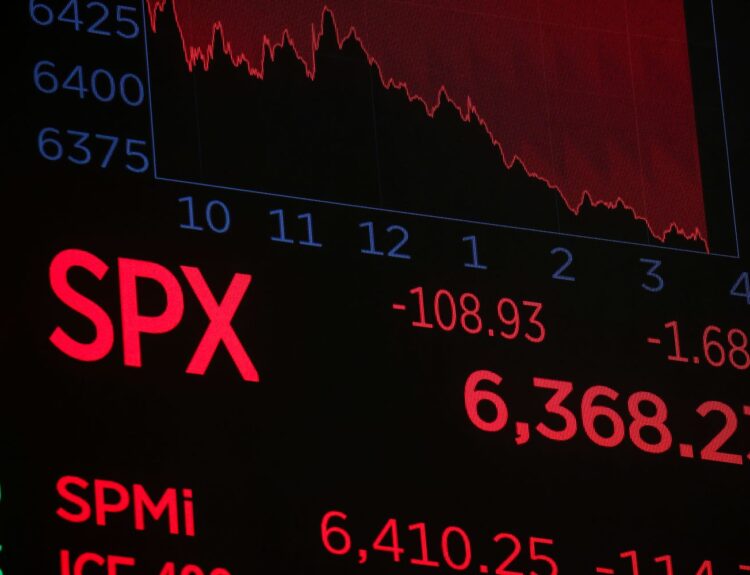
After two consecutive years of double digit returns, the S&P 500 is expected to slow down but still deliver positive performance.
Ayako Yoshioka, portfolio consulting director at Wealth Enhancement, says around 7% annual returns are a realistic target for 2026. While earnings growth is projected to exceed 12%, elevated valuations leave room for some multiple compression.
Volatility may increase as investors continue to debate whether AI stocks justify the massive capital poured into infrastructure and computing capacity.
Small and mid caps could finally shine
For three straight years, small and mid cap stocks lagged large caps, frustrating investors who expected a rotation earlier.
That may change in 2026.
Yoshioka points out that earnings growth for small caps is expected near 18%, with valuations far more reasonable than mega cap tech. If interest rates stabilize, mergers and acquisitions activity could rebound, providing another tailwind.
David Rosenstrock of Wharton Wealth Planning agrees, highlighting technology and financial stocks among small and mid caps. He notes that a steeper yield curve could lift bank profitability, while digital innovation and AI adoption remain supportive.
International stocks look increasingly attractive
Global markets may also have their moment.
Crit Thomas, global market strategist at Touchstone Investments, expects high single digit earnings growth internationally in 2026. European banks have already shown strong momentum, and lower valuations across developed markets offer a cushion against volatility.
According to Thomas, international equities offer diversification benefits, including higher dividend yields, potential currency support, and less dependence on a handful of US mega cap stocks.
Gold: The rally may not be over
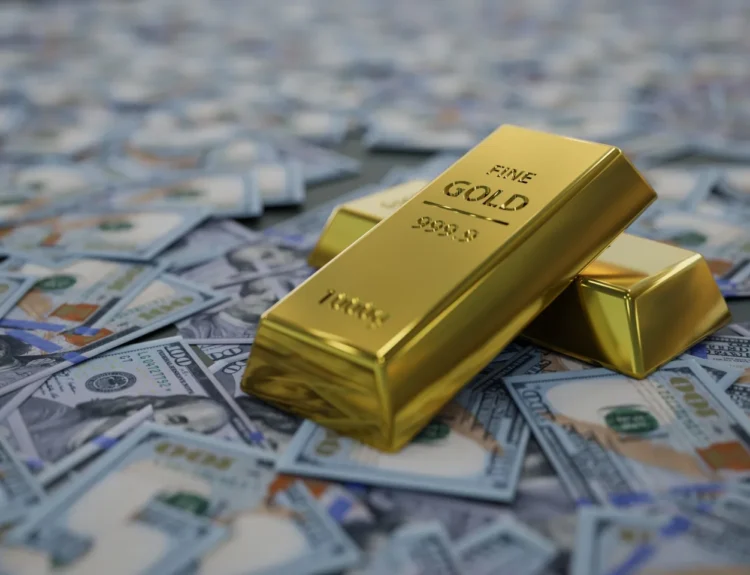
Gold was one of the standout winners of 2025, rising more than 50% amid geopolitical tensions, central bank buying, and economic uncertainty.
Paul Williams of Solomon Global believes these forces will remain firmly in place next year. His forecast sees gold reaching $5,000 per ounce by the end of 2026.
Other major institutions share that optimism. Bank of America and HSBC also see gold hitting $5,000, while Goldman Sachs targets $4,900 by year end.
Retirement planning changes in 2026
Investors approaching retirement face important rule changes.
If you earn more than $145,000 and are over 50, catch up contributions must be made after tax, meaning Roth style contributions if your plan allows it.
Key limits for 2026:
- 401(k) contribution limit: $24,500
- Catch up contribution: $8,000
- Ages 60 to 63 catch up: $11,250
- IRA contribution limit: $7,500
- IRA catch up: $1,100
Roth contributions allow tax free withdrawals in retirement, while traditional 401(k) contributions remain tax deferred.
2026 is shaping up as a year of rotation rather than collapse. Large cap stocks may cool, smaller companies and international markets could gain traction, and gold continues to attract long term defensive demand.
For investors, the challenge will be balancing opportunity with discipline as AI optimism meets valuation reality and global uncertainty remains firmly in the picture.
Disclosure: This article does not represent investment advice. The content and materials featured on this page are for educational purposes only.
Related: Stocks Look Bullish Entering 2026 — But What Could Go Wrong?
FOMO vs. Bubble Angst Signals More Stock Volatility in 2026
Gold Breaks $4,400 as Silver, Copper and Platinum Hit Record Highs: What Comes Next
Markets Enter Final Stretch of 2025 With Santa Rally Hopes: What to watch
Trade, Tariffs, and Treasuries: The Hidden Cost of Trump’s Protectionism
Want to Know Where the Market Is Going? Don’t Trust This, or Any, Forecast.