

2025 delivered one of the most volatile years for US stocks in decades, as tariff shocks, AI euphoria, and political uncertainty pushed markets from panic to record highs in a matter of months.
The S&P 500 came close to a tariff-driven bear market in April, only to stage a powerful rebound that carried the index to new records by summer. Behind the headline gains, however, investors faced extreme swings, rising concentration risks, and growing unease about valuations.
More about: 6 Charts That Show How Stock Markets Got Reshaped in 2025
Here is how the year unfolded, and why it mattered.
From Tariff Panic to AI Fueled Recovery
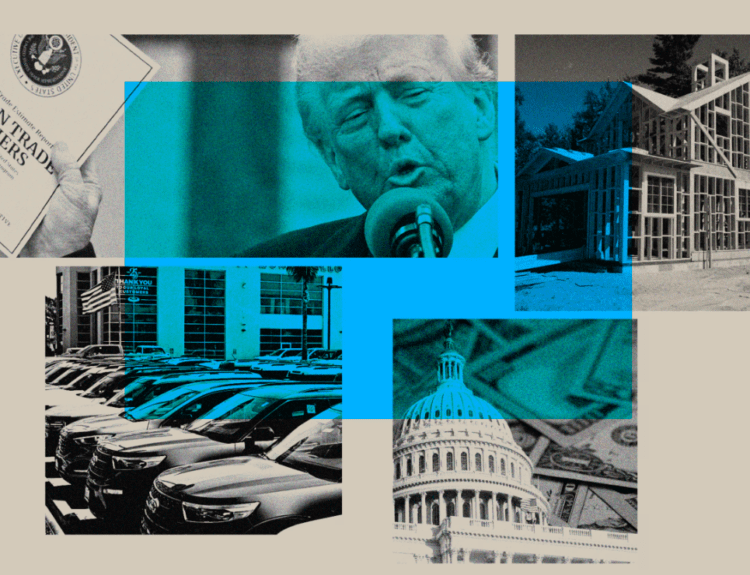
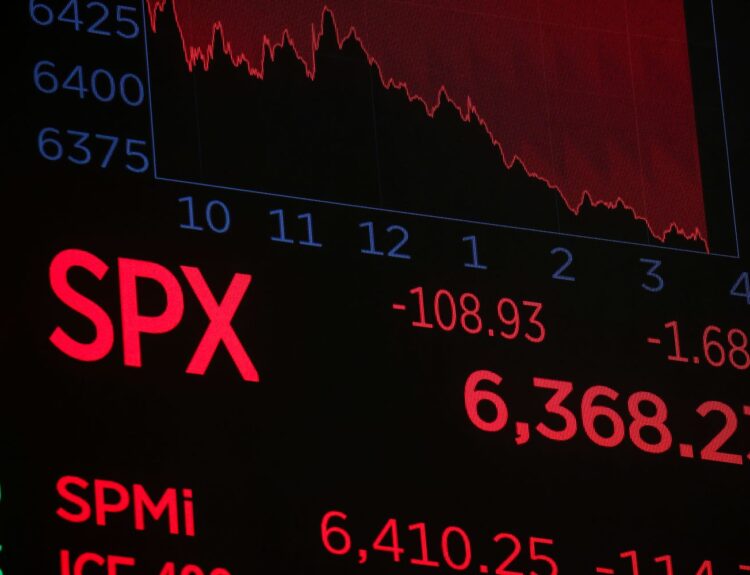
Markets entered 2025 on solid footing, but sentiment flipped sharply in April when sweeping US tariff plans triggered fears of a trade driven slowdown. The S&P 500 fell nearly 15 percent at its lows, and volatility surged.

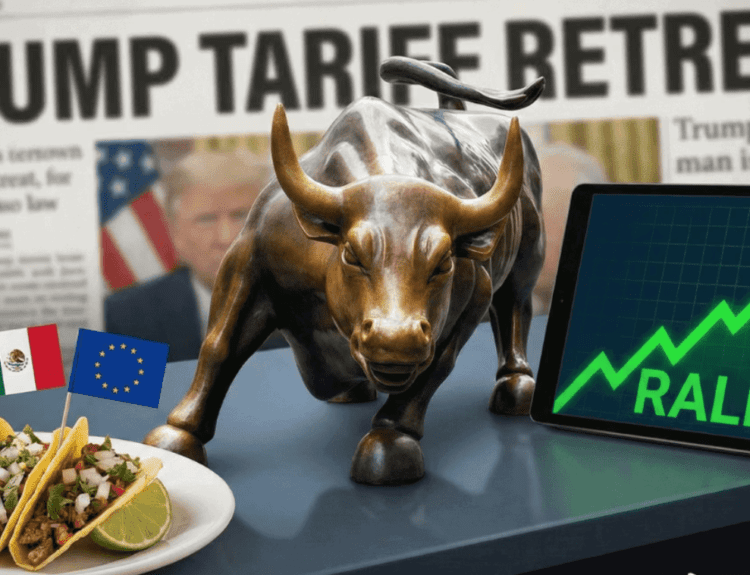
The Cboe Volatility Index jumped above 50, a level seen only during the pandemic and the global financial crisis. That fear faded just as quickly after tariff delays were announced, sending volatility back below 20 by May.
By mid year, enthusiasm around artificial intelligence spending helped lift corporate profit expectations and reignite risk appetite. The S&P 500 is now up roughly 16 percent for the year, marking its third consecutive year of double digit gains.
“It was Trump 1.0 on steroids,” said Keith Lerner of Truist Advisory Services, pointing to the unusual influence of political decisions on market swings.
ETF Flows Reveal the Turning Point
Investor behavior clearly split the year into two phases. April saw sharp equity ETF outflows, particularly from cyclical sectors, as investors reduced risk exposure.

The Nasdaq 100 tracking Invesco QQQ ETF recorded its first net outflow in seven months during that period. Once tariff pressure eased, those flows reversed quickly, with inflows accelerating again in May as tech stocks rebounded.
Strategists noted that the pace and intensity of flows reflected how sensitive markets had become to policy signals.
Wall Street Forecasts Were Whiplashed
2025 proved especially humbling for market forecasters. Nearly every major bank cut S&P 500 targets following the tariff shock, only to raise them again weeks later as conditions improved.

Unlike past corrections, where recoveries typically took four months, the market bounced back in roughly half that time.
“The speed of the recovery was extraordinary,” said Sam Stovall of CFRA, comparing the forecasting chaos to early 2020.
Bubble Anxiety Returns
Valuations became another major source of tension. Early in the year, veteran investor Howard Marks warned that markets were entering bubble territory. Those concerns intensified after the release of China’s DeepSeek AI model reignited fears of overinvestment and competition.
Some research firms flagged semiconductor stocks as meeting the formal criteria for a bubble. Others pushed back, arguing earnings growth expectations through 2027 still justify current prices.
The result was a market caught between conviction and caution.
Concentration Risk Reaches Extremes
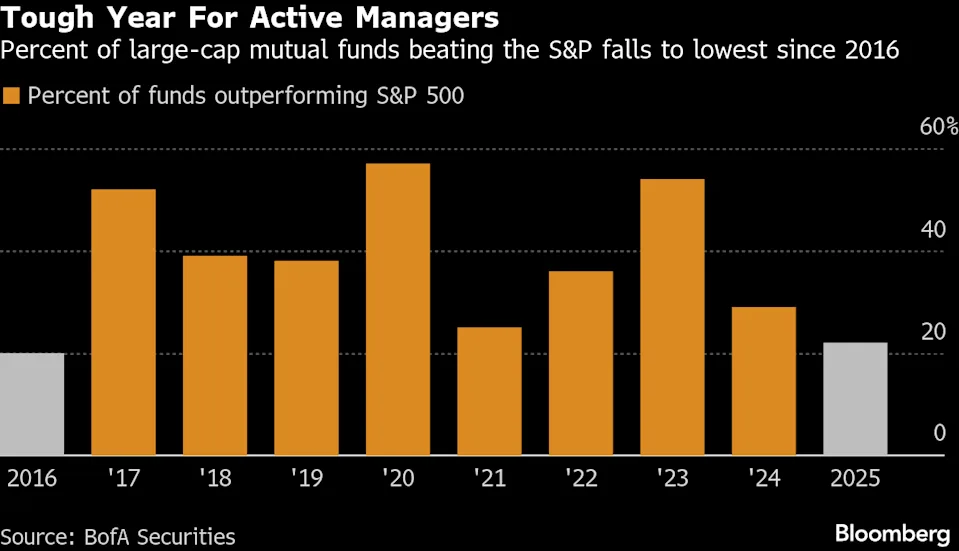
One of the clearest structural shifts in 2025 was market concentration. The top 10 stocks now represent nearly 40 percent of the S&P 500, driven largely by the so called Magnificent Seven.
Critics warn that this level of concentration leaves the index vulnerable to sharp reversals if leadership falters.
“The S&P is doing a poor job of diversification right now,” said Macro Risk Advisors founder Dean Curnutt.
That concentration also made life difficult for active managers. Only 22 percent of actively managed large cap funds beat the index this year, the lowest share since 2016.

Global Markets Quietly Outperformed
Despite the S&P 500’s recovery, US stocks lagged international peers. Markets in Europe, Japan, and parts of Asia outperformed, helped by currency moves and less policy uncertainty.
Strategists described the underperformance as a self inflicted outcome tied to US trade and political risk, combined with years of prior US dominance finally unwinding.

What 2025 Leaves Behind
The lesson of 2025 is not just about returns, but about fragility.
Markets proved resilient, yet deeply sensitive to policy shocks, narrow leadership, and shifting narratives around AI.
As investors head into 2026, expectations remain optimistic. But the extremes of 2025 have left behind a market that looks stronger on the surface than it may be underneath.
Volatility, concentration, and valuation debates are unlikely to fade anytime soon.
Disclosure: This article does not represent investment advice. The content and materials featured on this page are for educational purposes only.
Stocks Look Bullish Entering 2026 — But What Could Go Wrong?