
TL;DR:
- Most beginners can start investing with as little as $1 through fractional shares on modern platforms.
- A diversified portfolio with index funds or ETFs offers a safer and simplest way to grow wealth over time.
A stock is a share of ownership in a company. Stocks and investing 101 covers the core idea that when you buy shares, you own a small piece of that business and benefit when it grows. Investing means committing money to an asset today so it can grow over time through capital appreciation or dividends. Platforms like Navy Federal Digital Investor and tools like S&P 500 index funds have made this accessible to nearly anyone. You can start investing with as little as $1 using fractional shares on modern brokerage platforms. Building wealth through the stock market is no longer reserved for the wealthy.
What are the main ways to invest in stocks?

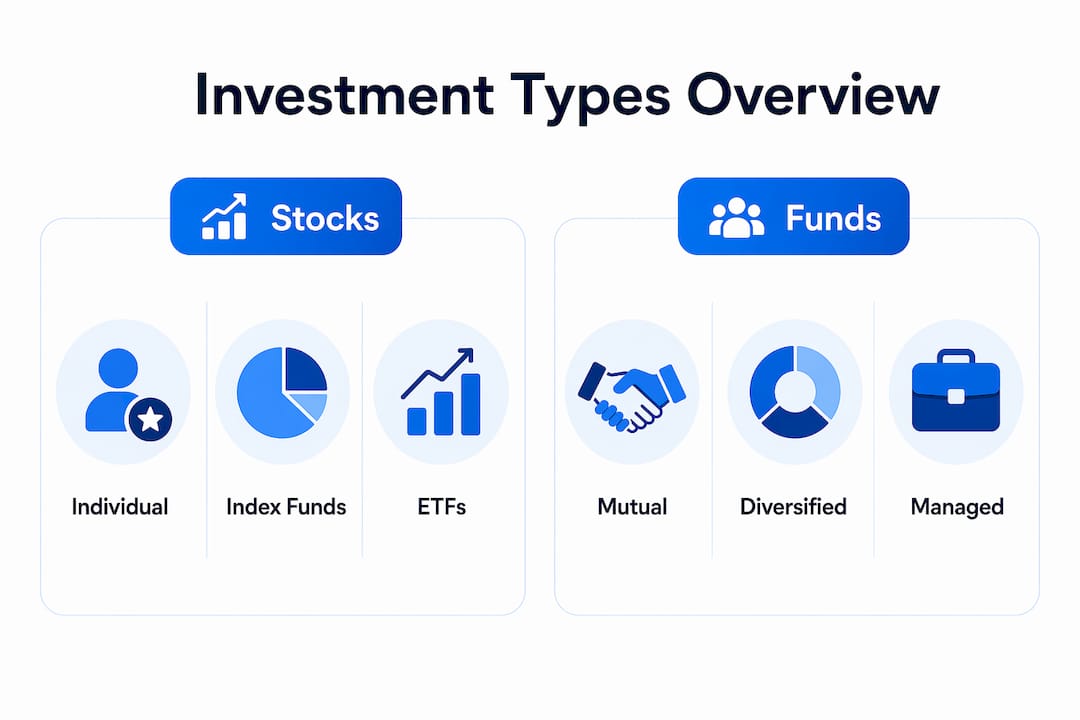
Individual stocks, index funds, ETFs, and mutual funds are the four primary ways to invest in the stock market. Each carries a different risk profile, cost structure, and level of effort required from you.
Individual stocks give you direct ownership in one company, like Apple or Tesla. The upside can be significant, but so can the downside. A single bad earnings report can wipe out months of gains.
Index funds track a market index, most commonly the S&P 500. An S&P 500 index fund gives you exposure to 500 of the largest U.S. companies in a single purchase. That built-in diversification is why most financial experts recommend them for beginners.
ETFs (exchange-traded funds) work like index funds but trade on an exchange throughout the day, just like a stock. They typically carry lower expense ratios than mutual funds and have no minimum investment beyond the price of one share. Fractional shares let you buy a dollar amount of an ETF rather than a full share, making entry even easier.
Mutual funds pool money from many investors and are managed by a professional. They often require a minimum investment of $1,000 or more and are priced once per day after the market closes.
| Investment type | Cost | Risk level | Diversification | Minimum investment |
|---|---|---|---|---|
| Individual stocks | Low per trade | High | None | ~$1 (fractional) |
| Index funds | Very low (0.03–0.20% fee) | Low to medium | High | ~$1 (fractional) |
| ETFs | Very low | Low to medium | High | ~$1 (fractional) |
| Mutual funds | Low to medium | Medium | High | Often $1,000+ |
Pro Tip: Start with a broad-market index fund or ETF before picking individual stocks. Diversification through funds protects you from the failure of any single company.
How much money do I need to start investing?
The minimum to start investing is as low as $1 to $5 on many modern brokerage platforms. That figure removes the biggest excuse most beginners use: “I don’t have enough money yet.”
The real question is not how much you need to start. It is how much you should invest consistently. A common guideline is to invest 10–15% of your income when your budget allows. Starting smaller is fine. What matters more is the habit of regular contributions.
Before you invest a single dollar, build an emergency fund. An emergency fund prevents you from being forced to sell investments at a loss when an unexpected expense hits. Selling during a downturn locks in losses that time would otherwise have recovered.
Cost is another factor to plan for. Robo-advisors typically charge an annual management fee of 0.25% to 0.50%. Subscription-based investing apps may charge $3 to $12 per month. These fees are manageable, but they add up if your account balance is very small.
- Start small and automate. Set up a recurring weekly or monthly transfer, even if it is just $25.
- Avoid lifestyle creep. When your income rises, increase your investment contribution before spending more.
- Skip the timing game. Invest on a fixed schedule regardless of whether the market is up or down.
- Track your spending first. Know your monthly surplus before deciding how much to invest.
Pro Tip: Automate your contributions on payday so the money moves before you have a chance to spend it. This one habit does more for long-term wealth than any stock pick.
What risks should beginners understand?
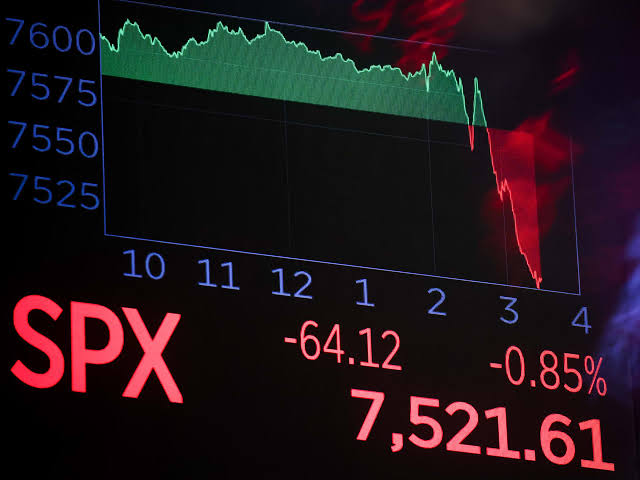
Market volatility is the normal, short-term movement of stock prices up and down. Beginners often underestimate volatility’s psychological impact. Watching your portfolio drop 15% in a week feels alarming, even when it is a routine correction.
The most effective defense against volatility is time. Investors with a horizon of five or more years have historically recovered from every major market downturn. Short-term losses matter far less when you are not planning to sell for decades.
Diversification reduces company-specific risk by spreading your money across many businesses and industries. If one company collapses, it barely affects a well-diversified portfolio. This is the single strongest argument for index funds over individual stock picking.
Asset allocation is the split between stocks, bonds, and cash in your portfolio. A younger investor with a long time horizon can hold more stocks. Someone closer to retirement should hold more bonds to reduce volatility. A simple rule: subtract your age from 110 to get a rough stock percentage.
Common beginner mistakes to avoid:
- Panic selling during market drops locks in losses permanently.
- Overconcentrating in one stock or sector amplifies risk.
- Checking your portfolio daily increases anxiety without improving returns.
- Chasing recent winners means buying high and often selling low.
- Ignoring fees on actively managed funds that quietly erode returns over decades.
How do you build a simple beginner portfolio?
A beginner portfolio combines stocks, bonds, and sometimes cash in proportions that match your goals and risk tolerance. You do not need dozens of holdings. Three to five funds can cover the entire global market.
Automated portfolio management through robo-advisors is the lowest-effort entry point for new investors. Services like Betterment and Wealthfront build and rebalance a diversified portfolio for you based on your answers to a short questionnaire. You contribute money and the platform handles the rest.
For those who prefer a hands-on approach, ETF investing through a standard brokerage account gives you full control at very low cost. A three-fund portfolio covering U.S. stocks, international stocks, and bonds is a proven, simple structure used by millions of investors.
Steps to launch your first portfolio:
- Set a clear goal. Retirement in 30 years requires a different approach than saving for a house in five years.
- Choose your account type. A Roth IRA offers tax-free growth for retirement. A standard brokerage account works for any goal.
- Select two to four funds. A total U.S. market ETF plus an international ETF covers most of what you need.
- Automate contributions. Schedule a fixed monthly transfer to your investment account.
- Rebalance once a year. Check that your stock-to-bond ratio still matches your original plan and adjust if needed.
Pro Tip: A robo-advisor is worth the small fee if managing a portfolio manually causes you to procrastinate. A slightly imperfect automated portfolio beats a perfect plan you never execute.
What are the first steps to start investing in stocks today?
Opening a brokerage account takes about 15 minutes online. You need a government-issued ID, your Social Security number, and a linked bank account. Most major brokerages, including Fidelity, Charles Schwab, and Vanguard, have no account minimums.
Once your account is open, fund it and select your first investment. A broad-market ETF or index fund is the right starting point for most beginners. Avoid the temptation to research individual stocks for weeks before buying anything. Starting sooner gives your money more time to grow, and time is the most powerful force in investing.
Education and investing should happen at the same time. You do not need to master everything before placing your first trade. Read one solid beginner investing guide and act on the basics while you continue learning.
- Open an account today, even if you only fund it with $25.
- Buy a broad-market ETF as your first investment.
- Set up automatic monthly contributions before you forget.
- Track your progress quarterly, not daily.
- Commit to a five-year minimum horizon before evaluating results.
The difference between investing and trading is critical to understand. Trading means buying and selling frequently to capture short-term price moves. Investing means buying and holding for years. For beginners, consistent investing with regular contributions builds far more wealth than frequent trading.
Key Takeaways
For beginners, a buy-and-hold approach using low-cost index funds or ETFs is the most effective strategy for building long-term wealth in the stock market.
| Point | Details |
|---|---|
| Start with as little as $1 | Fractional shares on modern platforms remove the minimum investment barrier entirely. |
| Diversification protects you | Index funds and ETFs spread risk across hundreds of companies automatically. |
| Build an emergency fund first | Liquid savings prevent forced selling during market downturns at a loss. |
| Automate contributions | Scheduled transfers build the investing habit and remove emotional decision-making. |
| Time in market beats timing | A long horizon of five or more years reduces the impact of short-term volatility. |
Why I think most beginners overcomplicate this
The single biggest mistake I see new investors make is waiting. They spend months reading about stocks, comparing brokerages, and watching market news before buying a single share. Meanwhile, the market keeps moving without them.
The basics of investing in stocks are genuinely simple. Buy a low-cost index fund. Contribute regularly. Do not sell when prices drop. That three-sentence strategy has outperformed most professional fund managers over the past 20 years. The complexity comes later, if you want it.
What nobody warns you about is the emotional side. The first time your portfolio drops 10% in a week, your instinct will be to sell. That instinct is almost always wrong. Consistent, automated contributions outperform short-term trading for most beginners over any meaningful time period. The investors who build real wealth are the ones who stay in the market through the bad months, not the ones who pick the best stocks.
Fractional shares and zero-minimum accounts have genuinely changed who can invest. There is no financial barrier left. The only barrier now is starting. If you have $25 and 15 minutes, you have everything you need to open an account and make your first investment today. The long-term vs. short-term investing decision matters far less than the decision to start at all.
— Povilas
Finblog has more resources to help you invest with confidence
Finblog covers the full range of topics new investors need, from building an emergency fund before your first trade to comparing robo-advisors and understanding ETFs in depth. The guides are written for real beginners, not finance professionals. Whether you are figuring out how to open your first brokerage account or deciding between a Roth IRA and a taxable account, Finblog’s investing guides give you clear, practical answers without the jargon. Bookmark the site and return as your knowledge grows. Each article builds on the last, so your understanding compounds just like your portfolio.
FAQ
What is a stock, exactly?
A stock is a share of ownership in a company. When you buy stock in a company, you own a small percentage of its assets and earnings.
How do I start investing in stocks with no experience?
Open a brokerage account with a platform like Fidelity or Charles Schwab, fund it with any amount, and buy a broad-market ETF or index fund as your first investment.
How much money do I need to start investing in stocks?
You can start with as little as $1 on platforms that support fractional shares. A consistent habit of small contributions matters more than the starting amount.
What is the safest investment for a beginner?
A broad-market index fund tracking the S&P 500 is widely considered the safest starting point. It spreads your money across 500 large U.S. companies and carries very low fees.
Should I invest or pay off debt first?
High-interest debt, like credit card balances above 7–8%, should be paid off before investing. Low-interest debt, like a mortgage, can be carried while you invest simultaneously.