
TL;DR:
- Investing in stocks involves buying ownership shares in a company to benefit from its growth and profits.
- Beginners should focus on long-term strategies like index funds and dollar cost averaging to build wealth safely.
Investing in stocks means buying ownership shares in a company, giving you a direct stake in its financial performance. The basics of investing in stocks come down to two core ways to earn money: price appreciation, where your shares rise in value over time, and dividends, where companies pay you a portion of their profits. Stocks have historically delivered around 10% annually over long periods, making them one of the most effective tools for building long-term wealth. This guide covers everything beginners need to start investing with confidence.
What are the basics of investing in stocks?
A stock represents a fractional ownership claim on a company. When that company grows, your shares grow in value. When it pays profits to shareholders, you receive dividends. Understanding both mechanisms is the foundation of stocks and investing 101.
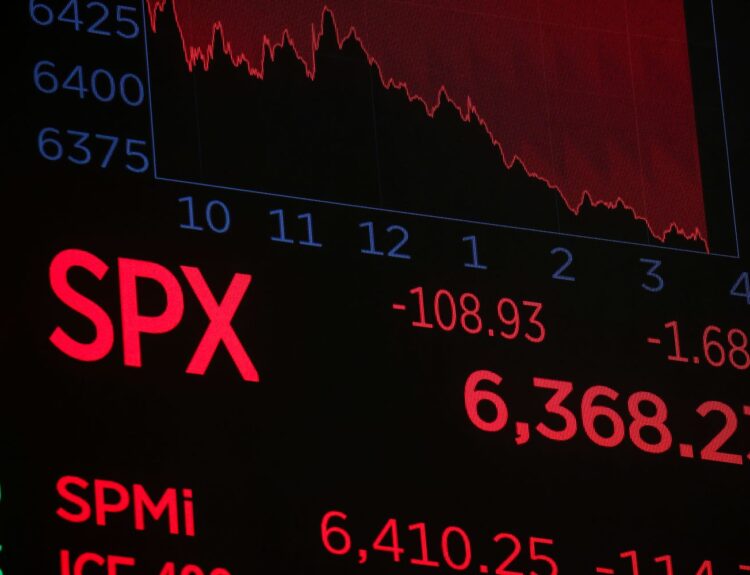
Stock prices move based on company performance, economic conditions, and investor sentiment. That volatility is not a flaw. It is the mechanism that creates opportunity for long-term investors. Dividend-paying companies provide income through regular payments alongside potential price gains, which means you can earn returns even when prices stay flat.
The stock market itself is simply a marketplace where buyers and sellers exchange shares. Major U.S. exchanges include the NYSE and Nasdaq. Prices update in real time during trading hours, reflecting the collective judgment of millions of investors. Familiarizing yourself with basic stock market terms before placing your first trade saves a lot of confusion later.
What types of stock investments are available?
Three main investment vehicles give beginners access to the stock market: individual stocks, mutual funds, and ETFs (exchange-traded funds). Each works differently and suits different goals and budgets.
Individual stocks mean buying shares of a single company, like Apple or Microsoft. The upside is direct ownership and potentially high returns. The downside is concentration risk. If that one company struggles, your investment suffers with it.

Mutual funds pool money from many investors to buy a diversified basket of stocks. They are professionally managed, which adds cost. Mutual funds generally require minimum initial investments of $1,000 or more, which puts them out of reach for some beginners starting with small amounts.

ETFs trade on exchanges like individual stocks but hold a diversified basket of assets, similar to mutual funds. ETFs can often be purchased for less than $100 per share, making them far more accessible for beginners. An S&P 500 index fund replicates the performance of the 500 largest U.S. companies and is one of the most popular beginner choices because it delivers instant diversification at low cost.
| Investment type | Minimum investment | Management | Best for |
|---|---|---|---|
| Individual stocks | Varies (fractional shares available) | Self-directed | Experienced or research-driven investors |
| Mutual funds | $1,000 or more | Professional | Hands-off investors with larger budgets |
| ETFs | Under $100 per share | Passive (index-based) | Beginners seeking low-cost diversification |
Key differences to keep in mind:
- ETFs trade throughout the day like stocks; mutual funds price once daily after market close.
- Index-based ETFs carry lower fees than actively managed mutual funds.
- Fractional shares let beginners invest in expensive individual stocks with as little as a few dollars.
- Liquidity is highest with ETFs and individual stocks; mutual funds may have redemption restrictions.
For a deeper look at how these two fund types compare, Finblog’s guide on the ETF vs. mutual fund distinction covers costs, tax treatment, and practical trade-offs in detail.
How do you start investing in stocks?
Starting is simpler than most beginners expect. Opening a standard online brokerage account takes about 15 minutes, similar to setting up a bank account. The process is fully digital at most major brokerages.
Follow these steps to make your first investment:
- Choose a brokerage. Look for zero-commission trading, no account minimums, and a clean mobile app. Fidelity, Charles Schwab, and similar platforms are well-established options for beginners.
- Set a clear goal. Are you saving for retirement in 30 years or building a general investment account? Your time horizon shapes every decision that follows.
- Decide on a starting budget. You do not need thousands of dollars. Many brokerages allow you to start with $50 or less, especially if fractional shares are available.
- Pick your first investment. A broad market ETF tracking the S&P 500 is the most common starting point. It gives you exposure to hundreds of companies without requiring you to research individual stocks.
- Set up automatic contributions. Automating a fixed monthly deposit removes the temptation to time the market and builds the habit of consistent investing.
- Review your portfolio quarterly. Check that your holdings still match your goals and risk tolerance. Avoid checking daily. Daily price swings create emotional noise, not useful information.
Pro Tip: Start with one broad index fund rather than spreading across ten different investments immediately. Simplicity reduces mistakes when you are still learning how the market behaves.
Finblog’s step-by-step investing guide walks through account setup and first investment decisions in practical detail for beginners.
What are the key risks and how do you manage them?
Stock market risk is real, but it is manageable with the right approach. The biggest mistake beginners make is treating the stock market like a savings account for short-term needs.
Investing money needed within five years in stocks is risky because markets can drop sharply and take time to recover. That money belongs in a savings account or short-term bond fund, not equities. The five-year rule is one of the most practical guidelines in personal finance.
The risk-return tradeoff is a core concept every beginner must understand. Small-cap stocks offer higher growth potential but also higher volatility, while large-cap stocks tend to be more stable but grow more slowly. Your portfolio mix should reflect how much short-term loss you can tolerate without panic-selling.
“Long-term buying and holding is recommended over frequent trading for most new investors to reduce risk and emotional stress.” — NerdWallet
The distinction between investing and trading matters here. Investing focuses on long-term growth and holding stocks for years. Trading involves short-term buying and selling with higher risk and a significant time commitment. Active trading requires technical analysis skills and emotional discipline that most beginners have not yet developed. Starting as an investor, not a trader, is the right call for the vast majority of people learning stocks and trading for beginners.
Key risk management principles:
- Never invest money you cannot afford to leave untouched for at least five years.
- Diversify across sectors and asset types to reduce the impact of any single loss.
- Avoid reacting to short-term market drops. Selling during a downturn locks in losses.
- Rebalance your portfolio once or twice a year to maintain your target asset mix.
What are common beginner mistakes and how do you avoid them?
The most costly beginner mistake is ignoring fees. Keeping investment costs low is critical because fees reduce the amount available for compounding growth over time. A fund charging 1% annually costs you far more over 20 years than one charging 0.05%. Low-cost index funds solve this problem directly.
A second common error is confusing a stock with a market index. The S&P 500 is not a stock you can buy directly. It is a benchmark. You access it through an index fund or ETF that tracks it. Knowing this distinction prevents confusion when reading financial news.
Dollar cost averaging means investing a fixed amount at regular intervals regardless of market conditions. It is one of the most effective strategies for beginners because it removes the pressure of trying to buy at the perfect price. When prices are low, your fixed amount buys more shares. When prices are high, it buys fewer. Over time, this smooths out your average purchase cost.
Pro Tip: Resist the urge to own a little of everything at once. Diversifying gradually reduces anxiety and helps you understand each investment before adding more complexity to your portfolio.
Additional tips for beginners:
- Favor index funds over actively managed funds for lower fees and consistent market exposure.
- Reinvest dividends automatically to accelerate compounding growth.
- Understand what you own. If you cannot explain why you hold a stock in one sentence, reconsider the position.
- Avoid checking your portfolio during market downturns. Emotional decisions are the primary driver of poor investment outcomes.
Key Takeaways
Stock investing builds long-term wealth most reliably when beginners start with low-cost index funds, invest consistently, and avoid withdrawing money during market downturns.
| Point | Details |
|---|---|
| Start with index funds | S&P 500 ETFs give instant diversification at low cost, ideal for beginners. |
| Keep fees low | High fees compound against you over time; prioritize funds with expense ratios below 0.20%. |
| Apply the five-year rule | Never invest money in stocks that you will need within five years. |
| Use dollar cost averaging | Invest a fixed amount monthly to reduce the impact of market volatility. |
| Invest, do not trade | Long-term holding outperforms short-term trading for most beginners in both returns and stress. |
What I have learned from years of watching beginners invest
Most beginners spend too much time looking for the perfect stock and too little time simply getting started. The single biggest predictor of long-term investing success is not stock selection. It is consistency. People who invest a fixed amount every month, regardless of what the market is doing, almost always outperform those who wait for the “right moment.”
The emotional side of investing is harder than the technical side. I have seen beginners with solid portfolios sell everything during a 15% correction because the news felt scary. That decision, repeated across a career, is what separates people who build wealth from those who do not. The market has recovered from every downturn in its history. Patience is not passive. It is the active choice to stay invested when instinct says otherwise.
My honest recommendation for anyone starting out: buy a single broad index fund, set up automatic monthly contributions, and do not look at it for six months. That sounds too simple to work. It works precisely because it is simple. Complexity is where beginners lose money, not in the market itself.
Low-cost funds from providers like Vanguard or Fidelity are where I would start. The stock market basics are genuinely learnable in a few weeks. The discipline to apply them takes longer, but it is worth every bit of the effort.
— Povilas
Finblog’s resources for beginner investors
Finblog covers the full range of topics beginners need when learning how to invest money in stocks. From comparing ETFs and mutual funds to understanding risk tolerance and building a first portfolio, the guides are written for readers who are starting from scratch. If you want a clear, structured path through the fundamentals, the Finblog investing hub brings together practical tools and expert-written content in one place. Whether you are deciding between index funds or figuring out how much to invest each month, Finblog’s resources give you the framework to make informed decisions without needing a financial advisor on speed dial.
FAQ
What does it mean to own a stock?
Owning a stock means you hold a fractional ownership share in a company. You benefit when the company’s value rises and may receive dividend payments from its profits.
How much money do I need to start investing in stocks?
Many brokerages allow you to start with under $100, especially through ETFs or fractional shares. Some platforms have no minimum account balance at all.
What is the difference between an ETF and a mutual fund?
ETFs trade on exchanges throughout the day and typically carry lower fees than mutual funds. Mutual funds price once daily and often require minimum investments of $1,000 or more.
Is stock investing risky for beginners?
Stock investing carries short-term volatility, but long-term risk decreases significantly with time. Avoid investing money you will need within five years and diversify across multiple holdings to manage risk.
What is dollar cost averaging?
Dollar cost averaging means investing a fixed dollar amount at regular intervals, regardless of market conditions. This strategy reduces the impact of volatility and removes the pressure of timing the market.