
US negotiators have reportedly rejected Iran’s proposal to reopen the Strait of Hormuz, creating another obstacle to restoring shipping through the vital energy route.
Israel’s Channel 12, in reporting relayed by Gate News, said American officials challenged Tehran’s authority to control the waterway during indirect talks at the UN General Assembly in New York.
What Happened in the Talks?
US envoys Steve Witkoff and Jared Kushner were in one room, while Iranian Foreign Minister Abbas Araghchi remained in another. Qatari mediators carried messages between them, according to the report.
The American delegation reportedly told Tehran that Iran did not control the strait and questioned its authority to offer its reopening.
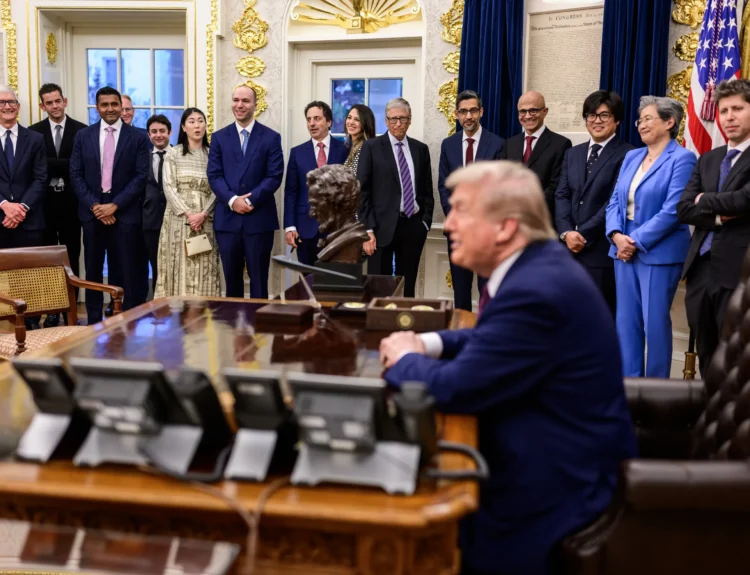
Further indirect meetings remained possible, with mediators awaiting President Donald Trump’s decision on whether to continue the process. The reported rejection does not establish that negotiations have ended.
Related: Oil Market Faces New Reality as Strait of Hormuz Disruption Drags On
Iran Warns of a Wider Shipping Conflict
Meanwhile, Yahya Rahim Safavi, a military adviser to Iran’s supreme leader, warned that connecting the Hormuz conflict with Bab el-Mandeb would “change the battlefield,” according to Iran International.
Bab el-Mandeb links the Red Sea to the Gulf of Aden. Threats there, involving Iran-backed Houthi forces in Yemen, could compound shipping disruption around Hormuz. Safavi’s comments were a warning of escalation, not confirmation that the second strait had closed.
The immediate question is whether negotiators can overcome the disagreement over Hormuz. Until there is a workable arrangement for safe passage, businesses face continued uncertainty over energy supplies, shipping costs and delivery times.
Disclosure: This article does not represent investment advice. The content and materials featured on this page are for educational purposes only.