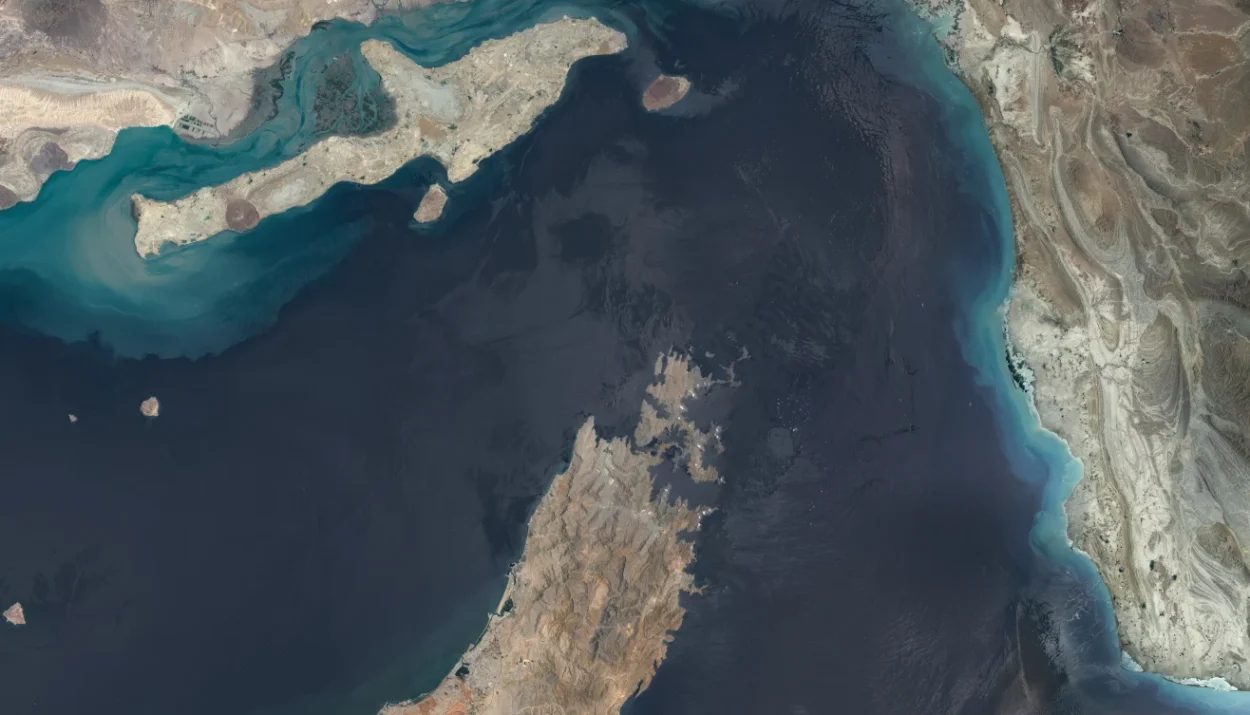

The global oil market is adjusting to a new reality as disruption around the Strait of Hormuz continues, keeping energy prices elevated months into the US-Iran conflict.
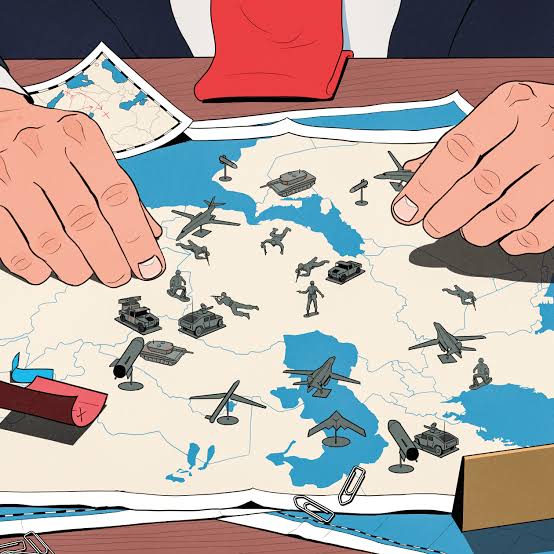
The strait is one of the world’s most important energy routes, normally carrying roughly one-fifth of global oil supplies. Restrictions on shipping have forced traders, producers and governments to rethink how quickly oil can reach global markets.
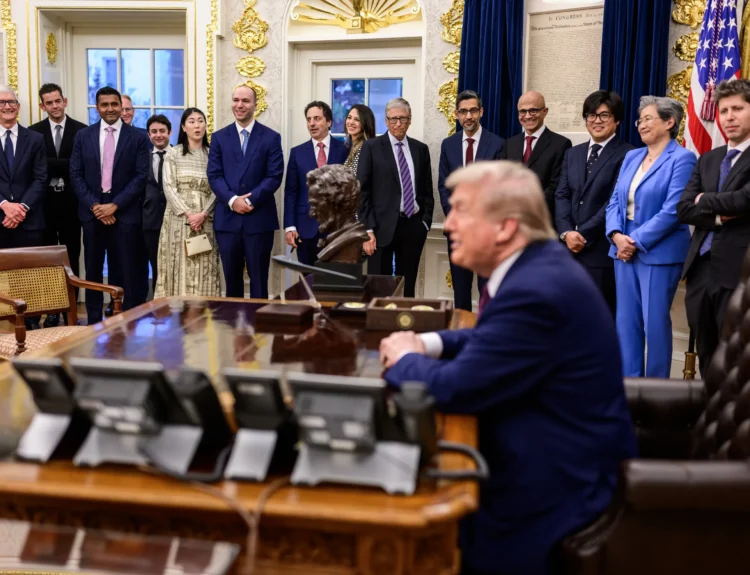
President Donald Trump has repeatedly argued that the United States can help secure the waterway, while also pushing Gulf countries to contribute more toward the cost of protecting shipping. But uncertainty over how and when normal traffic through Hormuz will return continues to create a risk premium in oil prices.
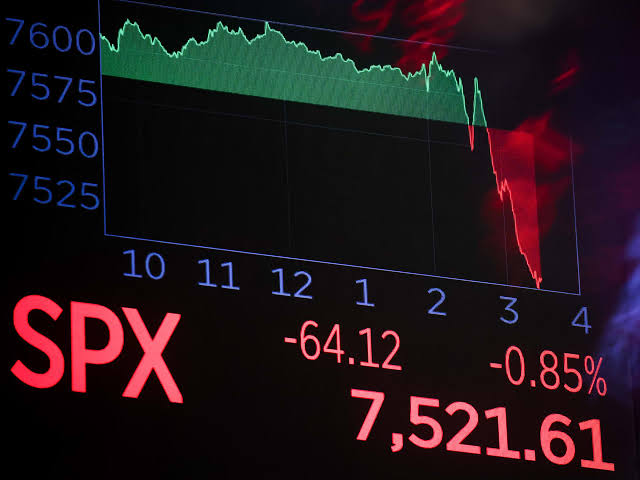
The disruption matters far beyond the energy industry. Higher crude prices can eventually translate into more expensive gasoline, transportation and consumer goods, making inflation harder to control and complicating interest-rate decisions for central banks.
At the same time, the impact is uneven. Higher prices can benefit oil producers and US energy companies, while countries that depend heavily on imported energy face greater economic pressure.
Markets are therefore watching several key developments: whether shipping through Hormuz returns closer to normal levels, whether the US and Iran can make progress toward de-escalation, and whether other producers can supply enough additional oil to offset lost Iranian and Gulf exports.
Investor takeaway: The longer disruption around the Strait of Hormuz continues, the more likely it is to become a lasting economic issue rather than a temporary oil-price shock. That could keep energy prices volatile and make the global inflation outlook more difficult.
Disclosure: This article does not represent investment advice. The content and materials featured on this page are for educational purposes only.