
The US and China have agreed to extend their trade truce until January 10, 2027, giving the world’s two largest economies another two months to negotiate a broader agreement.
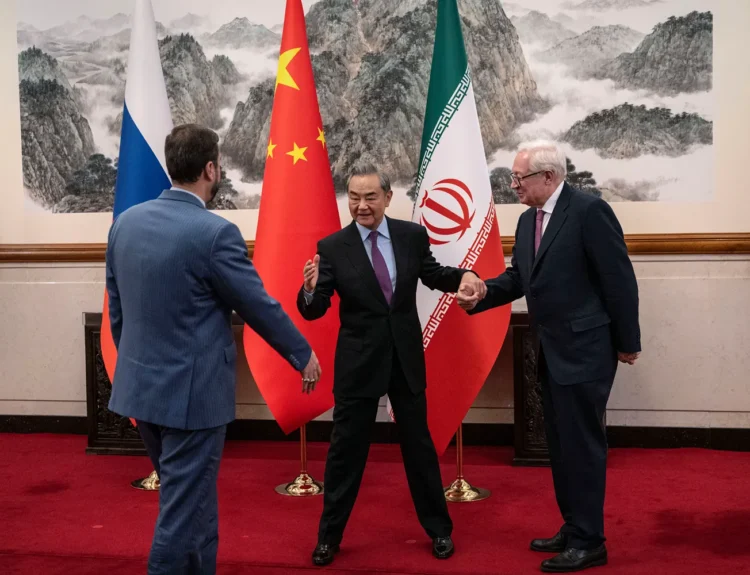
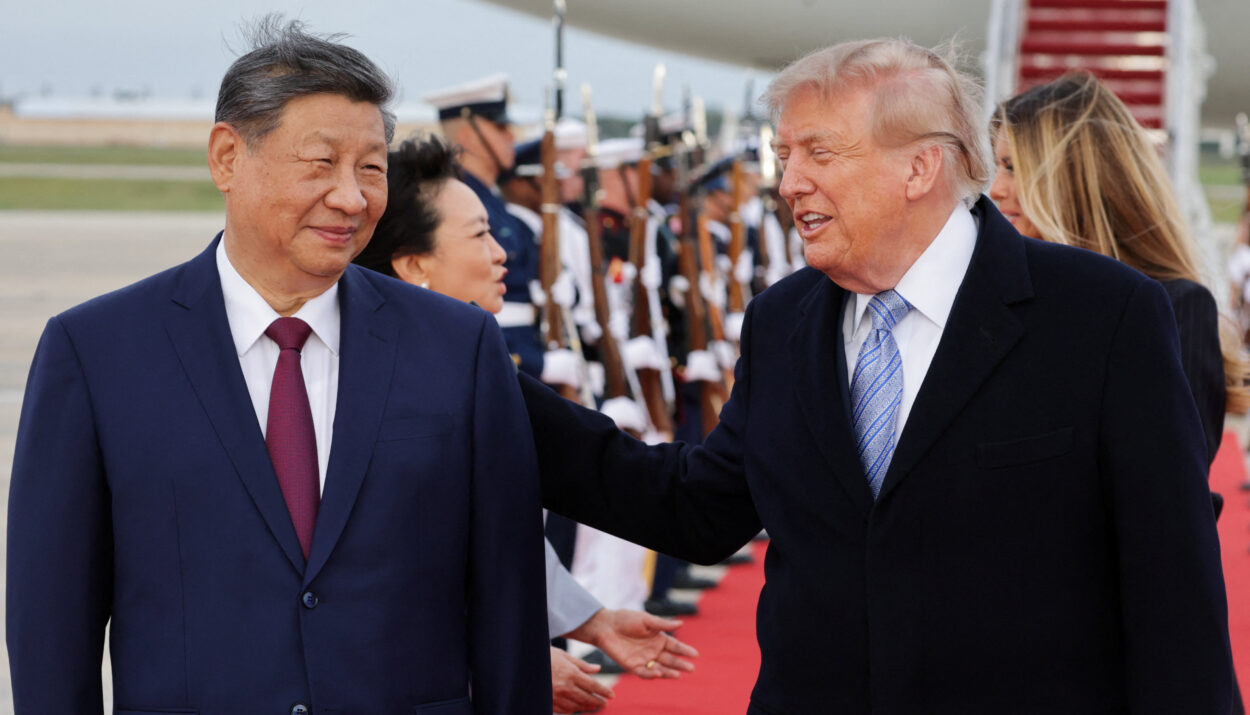
Treasury Secretary Scott Bessent announced the extension on September 23 after meeting Chinese Vice Premier He Lifeng, ahead of President Donald Trump’s summit with Xi Jinping, according to Reuters.
“We met today to see if we could do a bigger deal as opposed to just a series of smaller things,” Bessent said.
What Does the Extension Change?
The Busan Agreement, previously due to expire on November 10, provides a temporary pause in the trade confrontation. Extending it gives businesses more time before another negotiating deadline, but does not remove all tariffs or settle the wider trade dispute.
The existing arrangement covers tariff relief, access to critical minerals and Chinese purchases of American agricultural goods.
Related: US and China Talk Trade and AI Ahead of Xi Visit, With Taiwan in Background
Farm Purchases Remain a Sticking Point
Washington wants Beijing to follow through more fully on its commitments.
According to ICIS, Bessent said China was meeting its pledge to purchase 25 million tonnes of US soybeans, but remained short on a commitment involving $17 billion of other agricultural products.
Bessent also acknowledged that a larger agreement might not be ready by January. Another extension of the existing truce remains an option if broader negotiations take longer.
The extension buys breathing room for businesses and negotiators. The next test is whether Washington and Beijing can turn that extra time into fulfilled commitments and a more durable trade agreement.
Disclosure: This article does not represent investment advice. The content and materials featured on this page are for educational purposes only.