
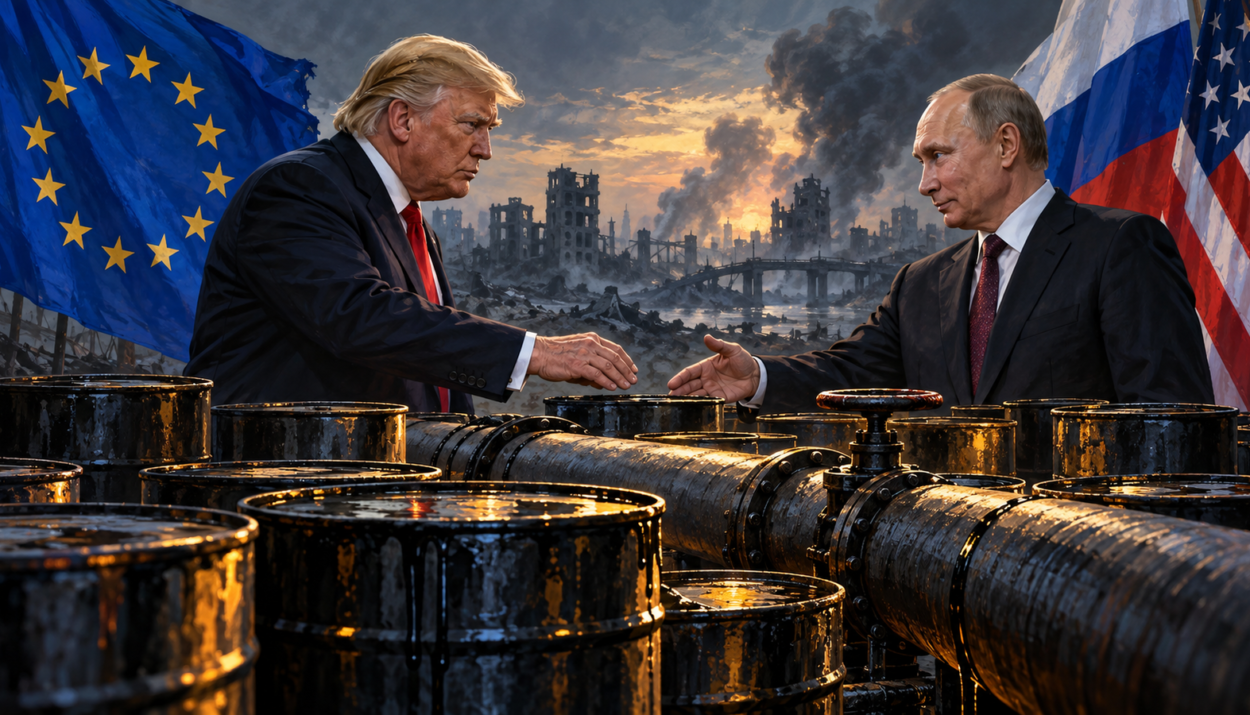

For Washington, the diesel deal with Russia is a promise of relief at the pump. For European allies, it raises a harder question: can they keep pressure on Moscow if America starts easing it?
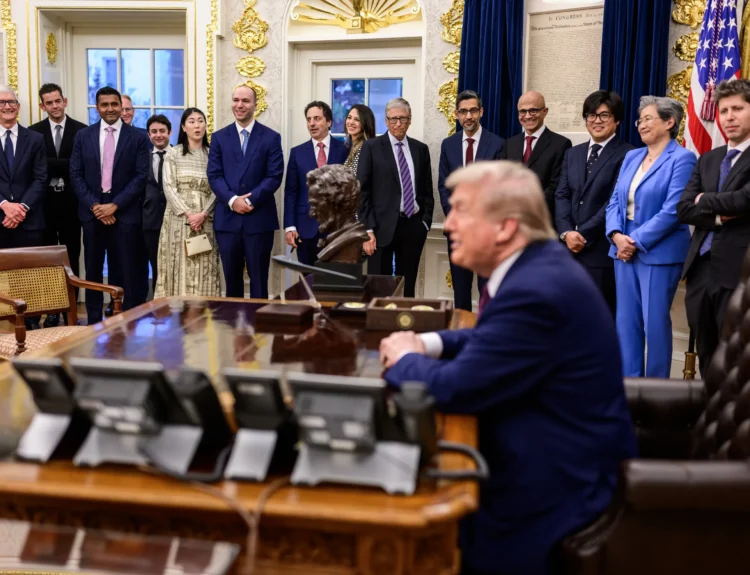
When Donald Trump announced the agreement on October 9, American, Ukrainian and European negotiators were already discussing a framework for ending the war. His decision to temporarily ease diesel sanctions introduced a new disagreement into those talks.
The immediate concern was Ukraine. The deeper concern was whether the allies still shared the same priorities.
Europe tries to keep Washington involved
European governments have responded by backing Kyiv while keeping diplomatic channels with Trump open.
In an October 15 essay for The Christian Science Monitor, columnist Ned Temko describes a familiar European approach: support Ukraine, engage Washington and try to preserve cooperation through another policy reversal.
Europe has increased its own defence spending and helped finance purchases of American weapons for Kyiv. But it cannot yet fully replace US support.
That leaves European leaders balancing two objectives: resisting concessions they believe weaken Ukraine, while protecting the American partnership Ukraine still needs.
Related: Trump’s Diesel Deal Tests US Ties With Ukraine.
A fuel agreement becomes a security dispute
Al Jazeera reported that Europe responded by putting Ukraine’s funding at the centre of its summit agenda.
The disagreement reflects different immediate pressures. Trump wants lower fuel costs before the November 3 midterm elections. European governments fear that easing pressure on Russia could make a durable peace harder to secure.
Temko argues that the episode reinforces European doubts about the long-term reliability of Washington’s security commitments. That is an interpretation of the widening dispute, rather than proof that the partnership has ended.
The diesel agreement is now testing more than fuel supplies. It is testing whether Washington and Europe can pursue affordable energy without losing a common approach to Ukraine.
Disclosure: This article does not represent investment advice. The content is for informational and educational purposes only.