
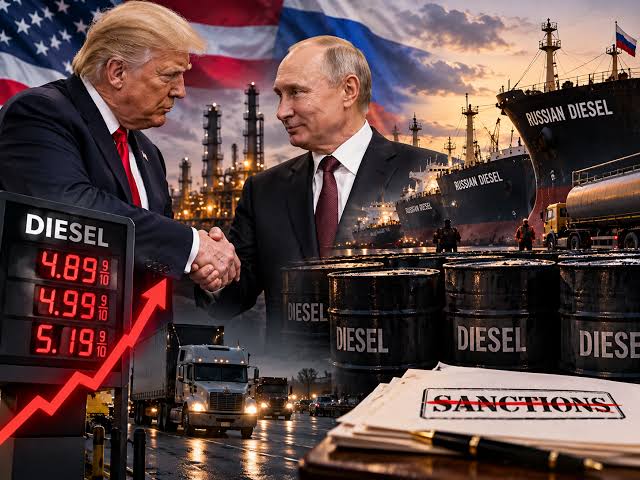

Only weeks after strengthening his powers to penalise buyers of Russian energy, Donald Trump opened the door to Russian diesel. Rising fuel prices had brought sanctions policy into conflict with pressure to reduce costs at home.
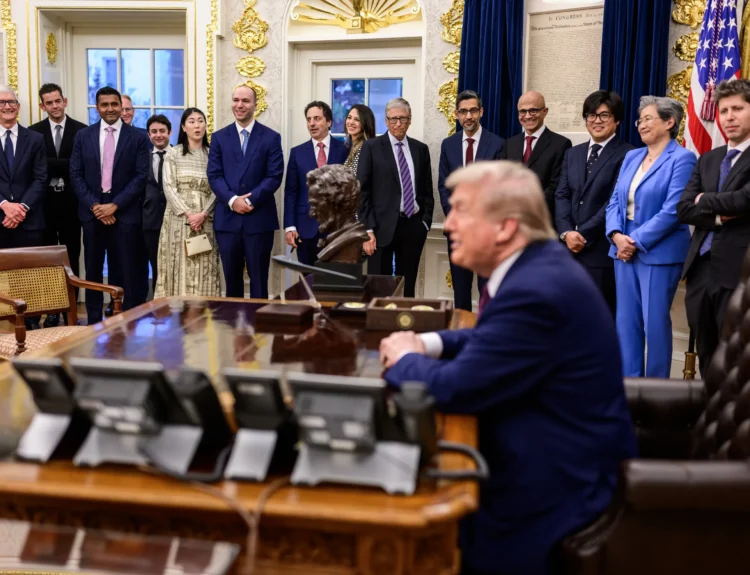
On October 9, Trump announced that Vladimir Putin had agreed to release additional diesel onto US and global markets. Washington temporarily eased restrictions to allow the supplies.
From restricting sales to encouraging them
DW highlights the sharp change: Trump had signed legislation allowing sweeping sanctions on other buyers of Russian energy just three weeks earlier.
The diesel agreement moved in the opposite direction, giving Moscow an opening to sell fuel that Washington had sought to restrict.
Trump’s stated objective was cheaper diesel. For Russia, the arrangement offered renewed access to buyers and export revenue.
Why Ukraine objected
Ukrainian President Volodymyr Zelenskyy criticised the agreement as a gift to Putin, arguing that additional energy revenue would support Russia’s war effort.
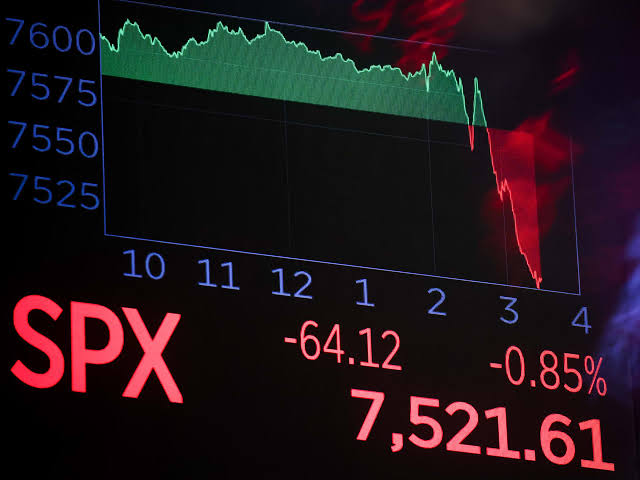
The disagreement exposed the difficult choice behind the announcement. Measures intended to ease American fuel costs could also weaken economic pressure on Moscow.
Related: What’s in the Diesel Deal Between Putin and Trump?.
Russia gained a sanctions opening through the promise of additional fuel. Whether American consumers would receive meaningful price relief remained uncertain.
Disclosure: This article does not represent investment advice. The content is for informational and educational purposes only.