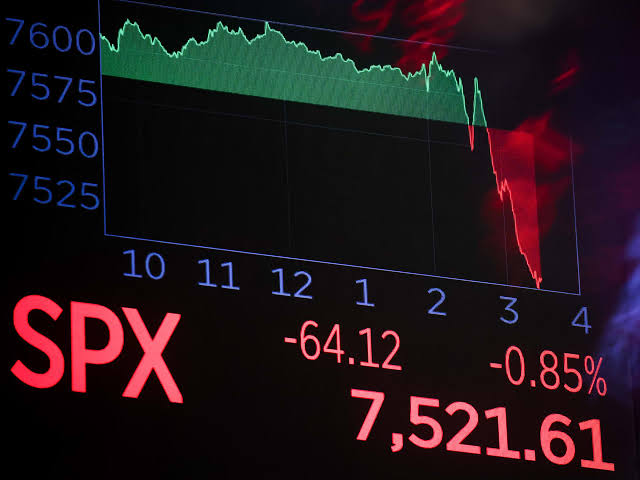



Big Tech is supporting US stocks as rising Treasury yields squeeze smaller companies, setting up a crucial test for markets heading into October and the midterm elections.
The divide was clear through Thursday, September 24: the S&P 500 gained 0.7% for the week and the Nasdaq rose 1.6%, while the Russell 2000 fell 0.9%, according to Seeking Alpha’s September 25 market review.
Those figures capture the week through Thursday, rather than final weekly returns.
Higher Yields Put Smaller Companies Under Pressure
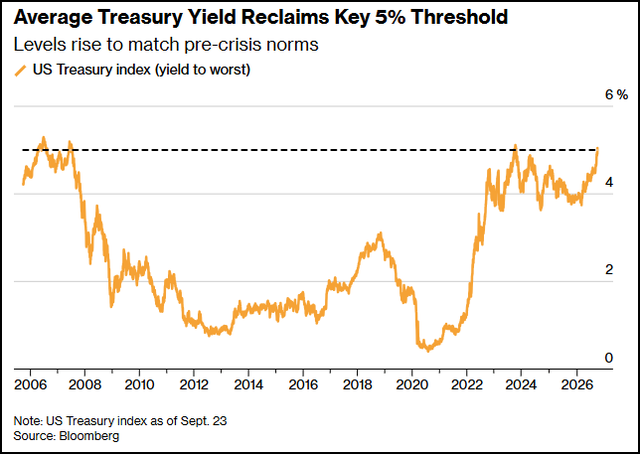
The newsletter reported that the five-year Treasury yield crossed 5%, while the 10-year yield reached 5.21% on Thursday.
Higher yields can make borrowing and refinancing more expensive. Smaller companies with heavy debt or limited cash reserves can be particularly vulnerable, while large, profitable technology businesses may have more financial flexibility.
Technology shares still face valuation pressure from higher rates. For now, enthusiasm about AI growth has helped offset that risk.
Related: Fed Rate Hike Could Trigger Another Painful Surge in US Treasury Yields.
Inflation Could Keep the Pressure On
Elevated oil prices and disruptions linked to the Iran war add another complication. More expensive energy can increase transport and production costs, making it harder for inflation to ease.
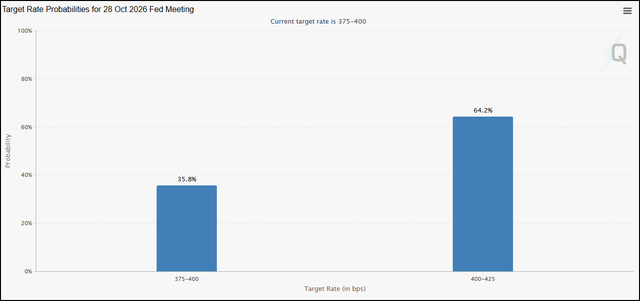
A strong economy creates its own tension: resilient spending supports corporate earnings, but persistent price pressure could keep borrowing costs elevated.
The key question is whether earnings can grow fast enough to justify share prices while interest rates remain high.
Related: Rising Fuel Costs Reshape Politics as Voters Demand Relief.
Three Tests for the Week Ahead
Investors face three important scheduled releases:
- September 30: August PCE inflation data. The report will provide an update on consumer prices and spending.
- September 30: Micron’s quarterly results. Its outlook will offer clues about memory-chip demand and AI infrastructure investment.
- October 2: September’s US jobs report. Hiring, unemployment and wage growth could influence expectations for the Fed.
The dates are listed by the Bureau of Economic Analysis, Micron and the Bureau of Labor Statistics.
Can the Rally Spread Beyond Big Tech?
Seeking Alpha’s Steven Cress frames the central question as whether market strength can broaden beyond the largest companies.
That matters because an index can rise even while many of its constituents struggle. Wider participation would offer stronger evidence that investors see improving prospects across the economy.
October’s arrival alone will not solve the market’s problems. Cooling inflation, manageable borrowing costs and solid earnings would give the rally a firmer foundation as the midterms approach.
Disclosure: This article does not represent investment advice. The content is for informational and educational purposes only.