
The Federal Reserve has raised rates, but the next challenge for markets is whether longer-term borrowing costs keep climbing, adding pressure on mortgages, businesses, Treasury yields and stock valuations.
The 10-year Treasury yield reached 5.04% on September 15, its highest level in nearly two decades, before easing toward 5%, according to the University of Virginia’s Darden School of Business.
The following day, the Fed increased its benchmark rate to 3.75%–4.00%.
Related: Fed Raises Rates for the First Time Since 2023 as Inflation Persists
Why Treasury Yields Matter
Treasury yields reflect the return investors demand to lend money to the US government. They also influence borrowing costs across the economy, including mortgages and corporate financing, as PBS explains.
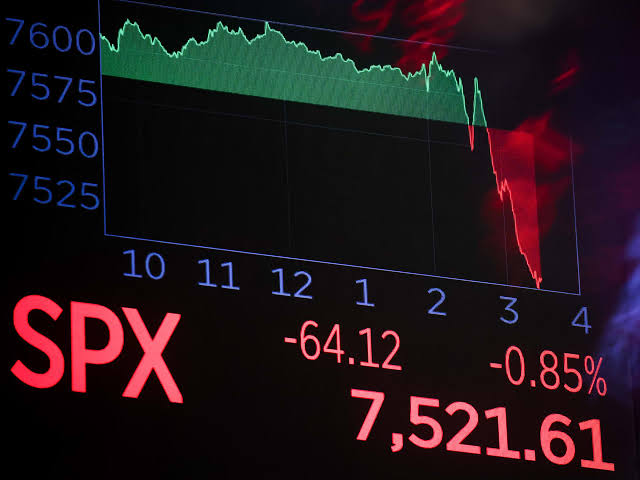
Rising yields mean falling prices for existing bonds. They can also put pressure on stocks by making interest-paying investments more attractive and increasing companies’ financing costs.
For households, the effect can show up in more expensive new mortgages, even though the Fed does not directly set mortgage rates.
A Rate Hike Does Not Guarantee Higher Long-Term Yields
Darden’s Rodney Sullivan says Treasury yields reflect several forces: inflation expectations, economic growth, government borrowing and investor demand.
That means a Fed hike can produce different outcomes. Expectations of persistently high rates could push yields upward. But if tighter policy restores confidence that inflation will fall, long-term yields could decline even while short-term rates rise.
Related: Warsh Says Inflation Is “Too High” as Fed Raises Rates
The Fed’s decision is only part of the borrowing-cost story. What matters next is whether investors believe it will contain inflation, or demand still higher returns to hold long-term US debt.
Disclosure: This article does not represent investment advice. The content and materials featured on this page are for educational purposes only.