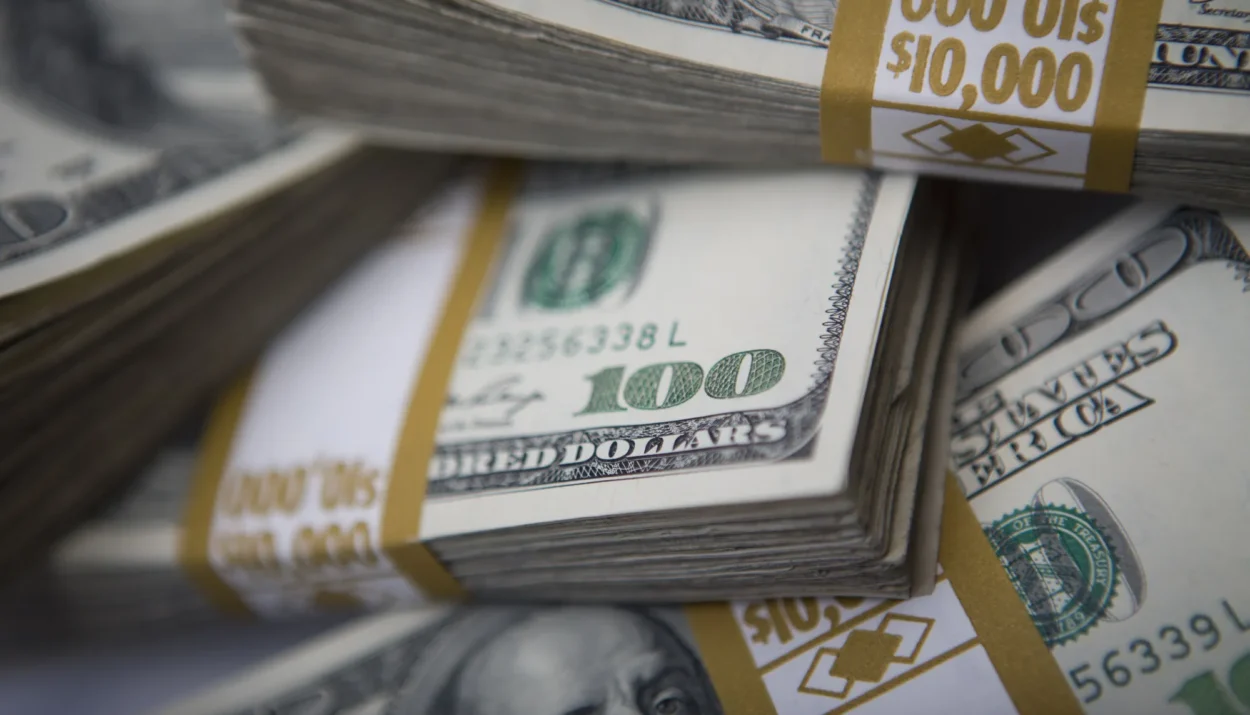

The US dollar may be entering a prolonged period of weakness, creating a more supportive environment for global equities, according to a new analysis from Global Markets Investor.
The report argues that the dollar’s recent decline is more than a short-term move and could become a multi-year trend as investors reassess US assets, fiscal policy and global capital flows.
Historically, a weaker dollar has tended to support international markets by easing financial conditions and making US exports more competitive. It can also boost commodity prices and improve returns for investors holding non-US assets.
The report highlights several factors that could continue to pressure the dollar:
- Rising US fiscal deficits and government debt.
- Expectations that the Federal Reserve will eventually lower interest rates.
- Stronger capital flows into international markets.
- Improving economic conditions outside the United States.
A weaker dollar could also provide a tailwind for emerging markets, which often benefit from lower borrowing costs and stronger capital inflows when the US currency declines.
However, the report notes that the dollar is unlikely to lose its role as the world’s dominant reserve currency anytime soon. Instead, investors should view the current weakness as part of a longer-term cycle rather than a structural collapse.
Investor takeaway: If the dollar continues to weaken, investors may see stronger performance from international stocks, emerging markets and commodities, while US multinational companies could benefit from improved overseas earnings.
Disclosure: This article does not represent investment advice. The content and materials featured on this page are for educational purposes only.