
US and Chinese officials have held talks on trade and artificial intelligence ahead of Xi Jinping’s expected arrival in Washington on Wednesday, setting the stage for a meeting with President Donald Trump. But uncertainty over Taiwan remains.
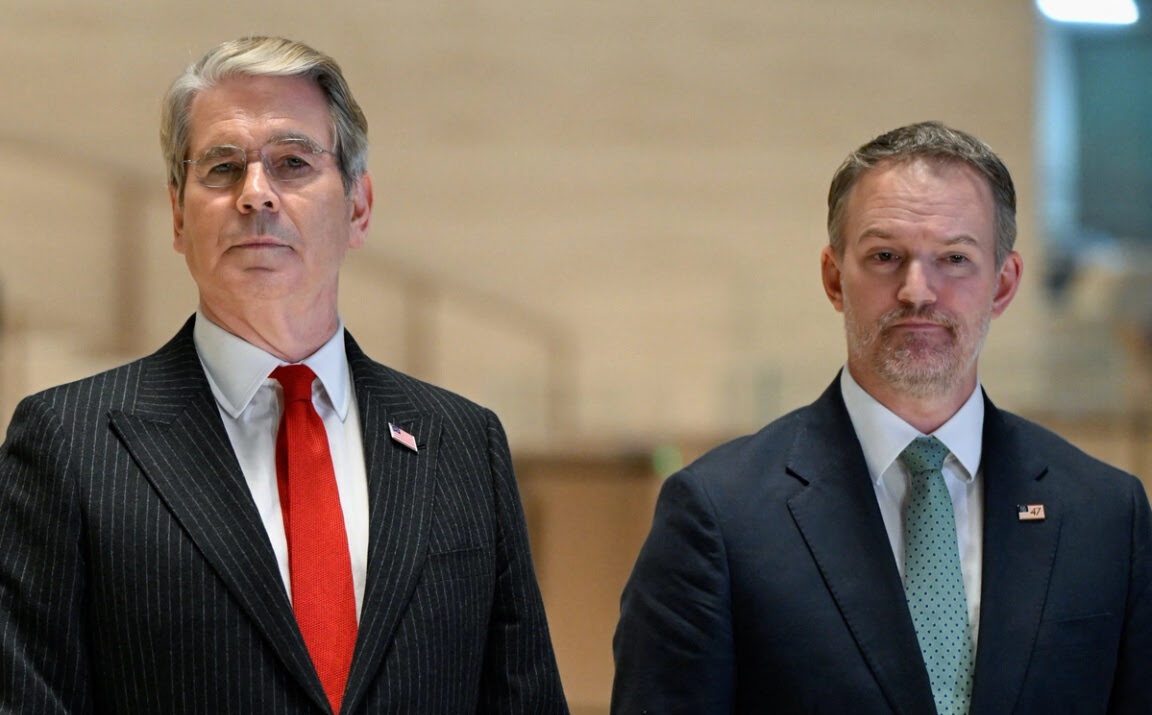
Treasury Secretary Scott Bessent said he and US Trade Representative Jamieson Greer had a “very successful engagement” with Chinese officials, building on earlier discussions in Beijing.
An Early Warning System for AI
One proposal would create a US-China notification mechanism for AI incidents that threaten national security. The idea is to give the two countries a way to alert each other when something goes seriously wrong.
The proposal formed part of discussions about a formal AI dialogue, Reuters reported. China has not publicly endorsed the notification system, and AI export restrictions were not discussed, according to Business Insider.
Related: Trump Rejects AI Slowdown Calls, Citing Competition With China
Which Goods Could Get Easier Treatment?
Officials also discussed how to put the proposed Board of Trade into practice, creating a channel for handling goods considered less sensitive to national security.
Greer identified consumer products, low-tech items, energy products, agricultural goods and medical devices as possible categories. Discussions include potential tariff reductions on such goods, according to AP. The scope remains under negotiation.
Taiwan Still Looms Over the Meeting
Taiwan may receive less attention than trade and AI, but arms sales remain a potential source of friction.
Bonnie Glaser, a Taiwan specialist at the German Marshall Fund, told Semafor that Xi would likely warn against further US weapons sales to the island. The newsletter also cited reports that Trump could postpone an already stalled arms package until after November’s Asia-Pacific Economic Cooperation summit.
The delay already has consequences: Anduril founder Palmer Luckey said the stalled $14 billion package was affecting his company’s Taiwan business.
The summit could open the door to practical agreements on trade and AI safety. The real test will be whether those promises become working arrangements while tensions over Taiwan remain unresolved.
Disclosure: This article does not represent investment advice. The content and materials featured on this page are for educational purposes only.