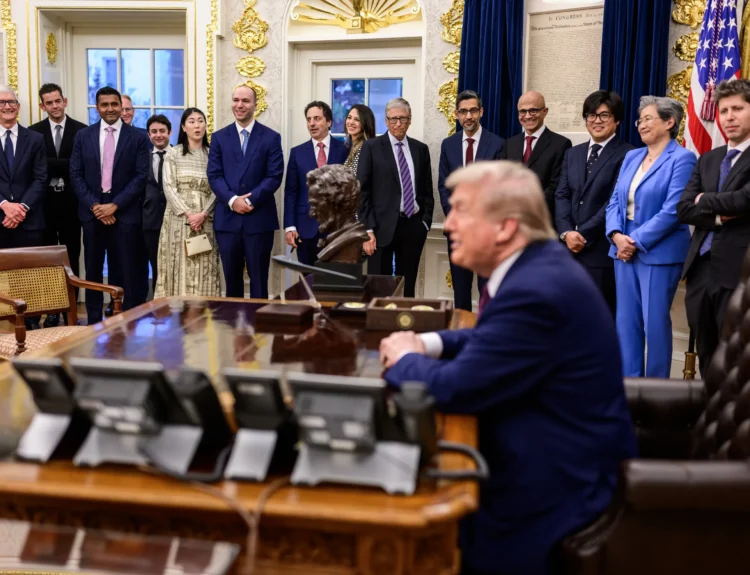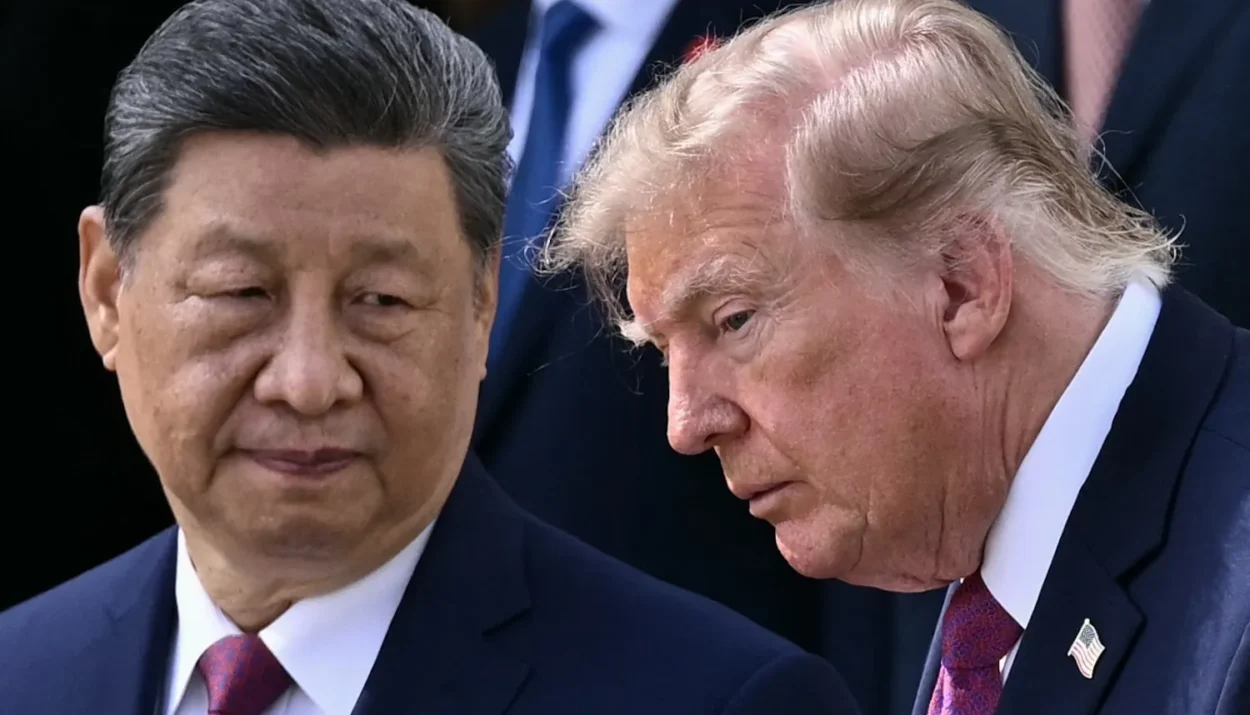

Donald Trump and Xi Jinping’s Washington summit opened new channels for trade, investment and AI discussions, while leaving the toughest disputes unresolved.
An Asia Society analysis published with ChinaFile presents the September 24 meeting as an effort to manage competition, with experts differing over how much the new arrangements can achieve.
A short extension of stability
The trade truce was extended by two months, from November 10 to January 10. That creates breathing room, but leaves businesses facing another deadline.
Planned meetings at APEC and the G20 offer opportunities to maintain negotiations. Their value will depend on decisions that follow.
Limited trade relief, with harder bargains ahead
The White House’s summit statement described recommendations for better tariff treatment on $30 billion of goods in each direction, covering $60 billion altogether.
Products listed included agricultural goods, medical devices, small appliances and toys. These are targeted measures, rather than a comprehensive settlement.
New trade and investment channels
The Board of Trade also established an agricultural market-access working group. A separate Board of Investment provides a forum for discussing commercial opportunities and obstacles.
For companies, a standing forum could make problems easier to raise. Establishing one, however, does not guarantee approvals or remove existing barriers.
AI dialogue gains a timetable
The countries agreed to another AI exchange by November 2026 and a communications channel for AI incidents.
This provides a way to discuss risks while technological rivalry continues. It does not establish shared development or common safety standards.
Related: Meta Wants to Do Your Shopping. Amazon Has Other Plans..
Crisis management remains unfinished
Beijing described plans to conclude a military crisis-communication agreement. Washington highlighted Trump’s call for arms-control negotiations involving China and Russia.
The differing accounts make implementation especially important. Announced discussions should not be treated as completed security agreements.
Taiwan remains a major test
No new Taiwan agreement or formal change in U.S. policy was announced. Beijing nevertheless pressed Washington to oppose Taiwanese independence.
The unresolved dispute remains capable of disrupting progress elsewhere in the relationship.
Health cooperation stays narrow
China’s tighter controls on drug precursors provided one concrete area of cooperation. Washington also reported 21 arrests linked to precursor manufacturing and distribution.
Broader cooperation on pandemic preparedness and cancer research remained a missed opportunity.
The summit created more ways to negotiate. Businesses still need evidence that those channels produce lasting tariff relief, dependable supplies and clearer investment rules.