
The AI boom is no longer driven solely by strong demand. A growing share of the massive investment in chips and data centers is being financed through debt, leases and financial guarantees, creating a new risk for investors.
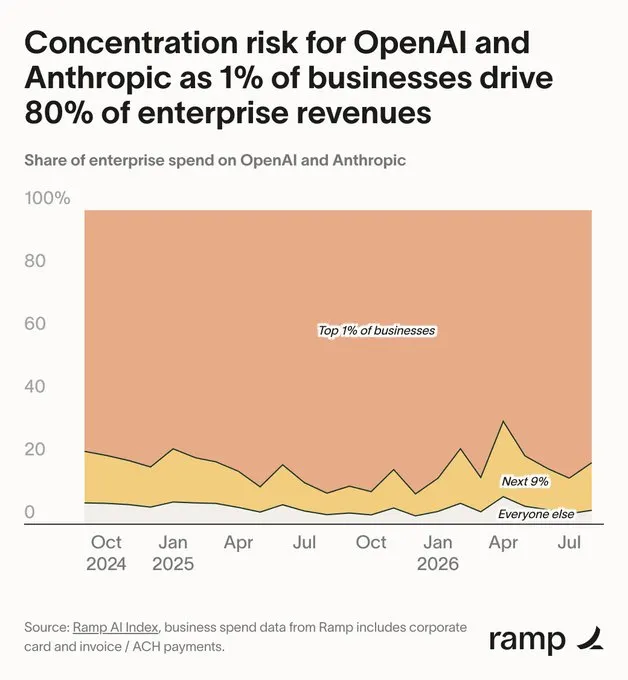
US debt issuance backed by GPUs and other AI chips has already reached around $70 billion in 2026, an all-time high. That is more than four times the roughly $17 billion issued in all of 2025, and about 3,400% higher than the $2 billion recorded in 2023.
Nvidia Is Helping Finance the AI Build-Out
At the center of this expansion is Nvidia.
The chipmaker is helping arrange up to $500 billion in financing alongside major financial groups including Apollo, BlackRock, Blackstone, Brookfield, Goldman Sachs and KKR.
The money would help finance AI infrastructure, while Nvidia could provide support covering as much as 25% of certain projects.
One structure involves special-purpose companies buying Nvidia hardware and then leasing it to AI customers. Investors receive lease payments, while the chips themselves help serve as collateral.
This makes it easier for AI companies to finance expensive data centers without paying the entire cost upfront.
But there is a risk: AI chips can lose value quickly as newer technology arrives. If customers struggle to make payments while the underlying GPUs have already become less valuable, lenders could face larger losses than expected.
Nvidia could also absorb some of that risk because of its financial guarantees.
AI-Related Bond Issuance Is Surging
The financing boom is already spreading through the broader credit market.
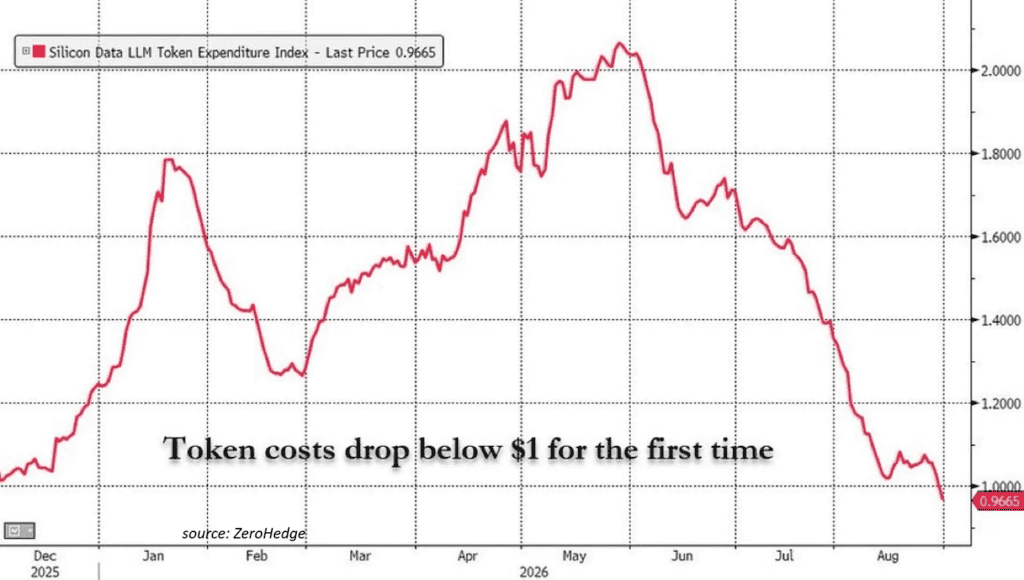
According to Global Markets Investor, AI-related bond issuance has reached around $344 billion this year, more than $200 billion above 2025 levels.
AI-linked asset-backed securities, or bonds backed by assets and future cash flows, are also growing quickly. Issuance increased from only $2.4 billion in 2020 to around $17 billion in 2025, with 2026 on track for another record.
The trend suggests that the AI boom is increasingly becoming a financing story as well as a technology story.
Some AI Obligations Are Harder to See
Traditional bonds are only part of the picture.
Large technology companies are also signing enormous contracts for data centers, electricity, chips and computing capacity.
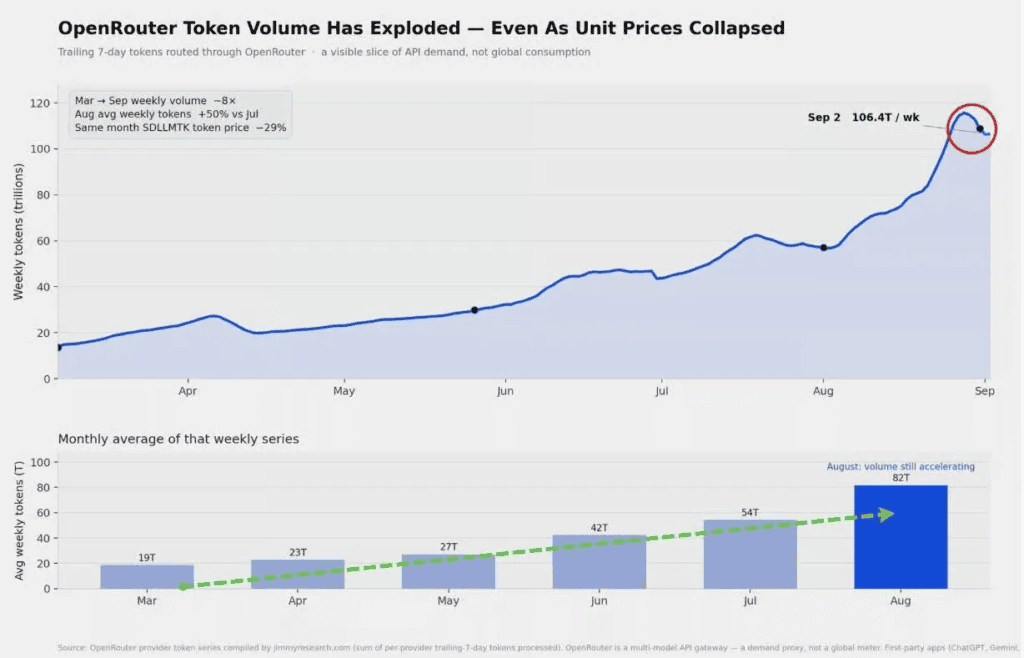
Purchase commitments across Alphabet, Microsoft, Amazon, Nvidia and Oracle have reached nearly $1.5 trillion, according to the analysis.
There are also major lease commitments. Some leases do not appear as normal balance-sheet liabilities until they actually begin, meaning investors may need to look deeper into company filings to understand the full size of future obligations.
This is important because companies are committing to spend huge amounts of money before all of the AI infrastructure has proven it can generate sufficient returns.
The AI Industry Is Becoming More Connected
The financing also makes major AI companies increasingly dependent on each other.
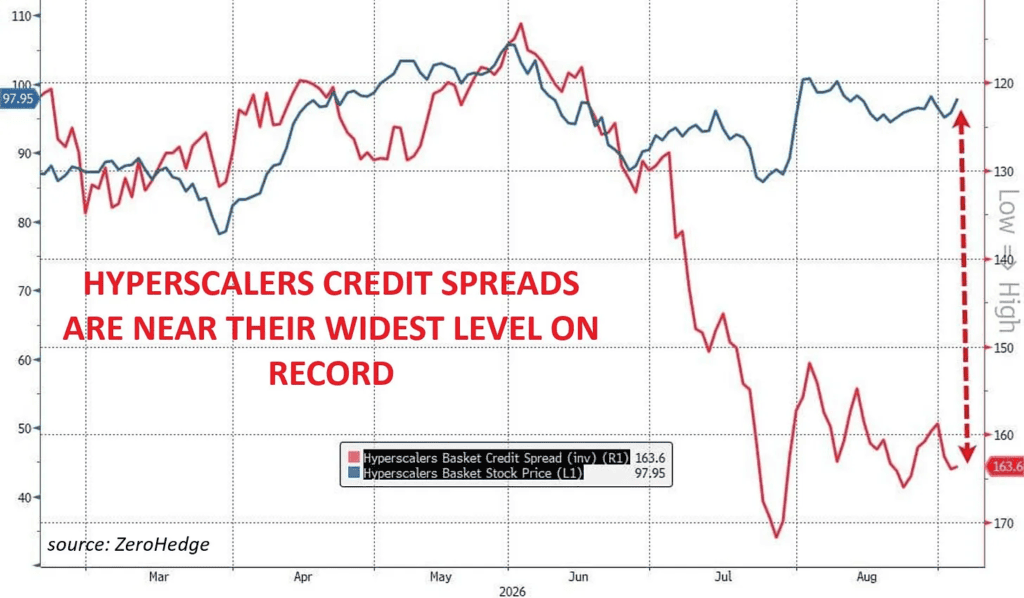
Nvidia, OpenAI, Microsoft, Google, Amazon, Broadcom and other companies are connected through investments, chip purchases, cloud contracts and AI services.
Money can therefore move through the same ecosystem in several directions. A company can invest in an AI startup, the startup can spend that money on cloud computing, and the cloud provider can use its revenue to purchase more Nvidia chips.
That does not mean the demand is artificial. But it makes an important question harder to answer: how much AI spending ultimately comes from independent customers generating real economic returns, and how much is being supported by financing within the AI ecosystem itself?
Why the Comparison With 2008 Is Appearing
Investor Michael Burry, known for betting against mortgage-backed securities before the 2008 financial crisis, has warned about the risks that can emerge when increasingly complex financing is used to keep an investment boom expanding.
Global Markets Investor also draws a comparison between Nvidia’s guarantees and some financial structures used before 2008.
However, Nvidia today is very different from AIG before the financial crisis, and the comparison does not mean another 2008-style collapse is coming. The similarity is narrower: guarantees can encourage lenders to provide more money against assets whose future value is uncertain.
If AI demand continues growing rapidly, these financing structures could help companies build the enormous infrastructure the industry needs.
But if demand disappoints, GPU prices could fall, customers could struggle with payments and several lenders and AI companies could face problems at the same time.
Investor takeaway: The AI boom is still growing, but the way it is being funded is changing. Debt, leases, guarantees and other financing arrangements are becoming increasingly important. That can help the AI industry expand much faster, but it also connects companies and investors more closely. The key question is whether future AI revenues grow fast enough to support all the financial commitments being made today.
Disclosure: This article does not represent investment advice. The content and materials featured on this page are for educational purposes only.