
SpaceX is seeking $40 billion to buy Nvidia chips, while Google has signed a long-term nuclear power agreement supporting more than $4.3 billion in investment by Constellation. The deals show continued demand for AI infrastructure, even as local opposition disrupts projects.
SpaceX seeks $40 billion for chips
SpaceX is pursuing financing comprising approximately $10 billion in bank loans and $30 billion in investment-grade debt, the Financial Times reported, citing people familiar with the discussions.
Apollo Global Management is expected to lead the transaction, which could close in 2027. The financing remains under discussion rather than a completed deal.
The proposed borrowing highlights the financial demands of expanding AI computing capacity. For lenders and shareholders, the question is whether future revenue can justify the equipment costs and debt commitments.
Related: The AI Boom Is Increasingly Being Financed by Debt.
Google secures more nuclear power
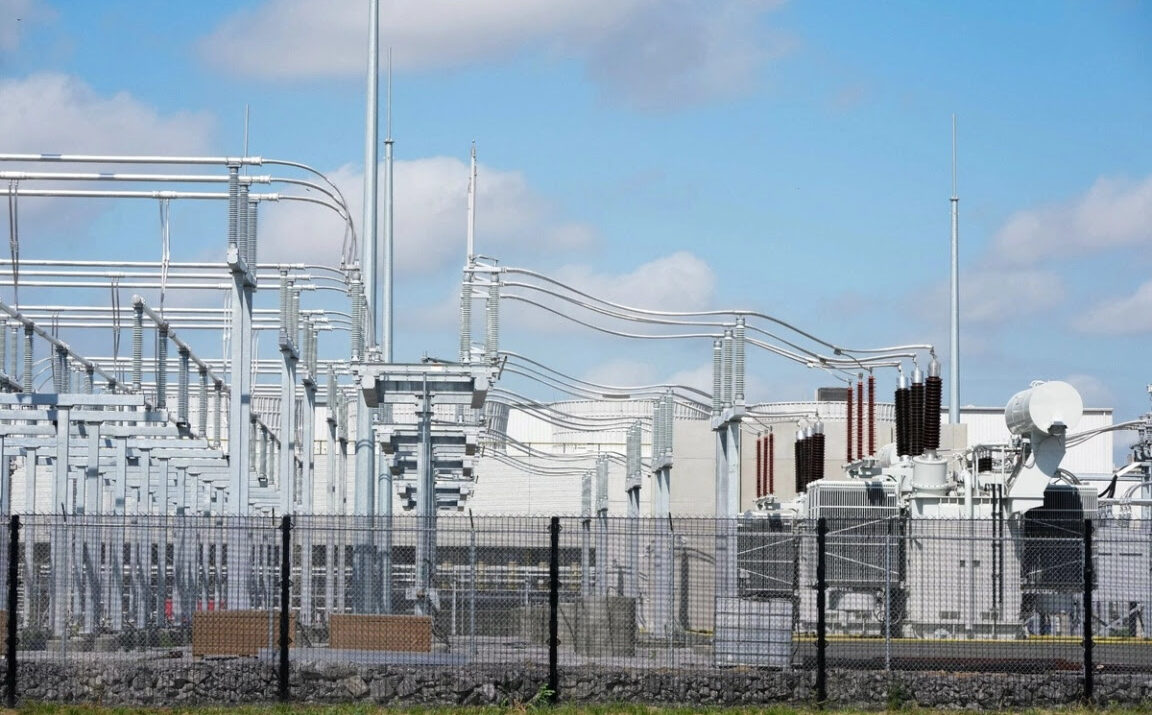
Google and Constellation’s October 6 announcement outlines a 20-year power purchase agreement supporting upgrades at 11 nuclear units across Illinois, Pennsylvania and New Jersey.
The upgrades are intended to add 890 megawatts of generating capacity to the PJM electricity grid, with the first increase expected in 2028. A separate 15-year agreement covers another 2,700 megawatts from existing generation.
Importantly, the $4.3 billion figure represents Constellation’s planned investment, rather than a disclosed price Google will pay for electricity.
The approach expands output from existing nuclear facilities, demonstrating how electricity availability is becoming central to technology companies’ growth plans.
Local opposition creates another obstacle
Financing and power contracts do not guarantee that data centers will be built.
Heatmap reported that at least $260 billion in proposed US data center investment had been cancelled in 2026 following sustained local opposition. That represents the value of cancelled projects, not necessarily money already spent or financial losses.
The developments expose two sides of the AI expansion: companies continue seeking chips and electricity, while project delivery faces constraints beyond demand.
The AI spending boom is continuing, but securing financing, reliable power and local approval will determine how much of it becomes operating infrastructure.
Disclosure: This article does not represent investment advice. The content is for informational and educational purposes only.