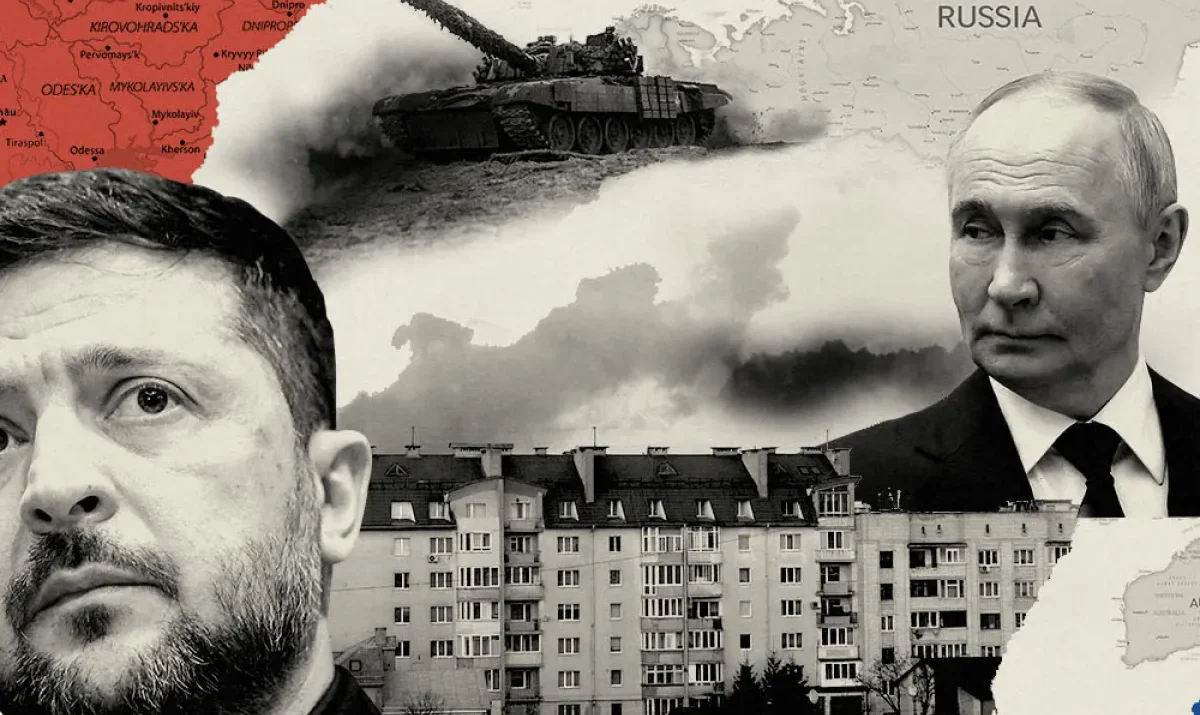

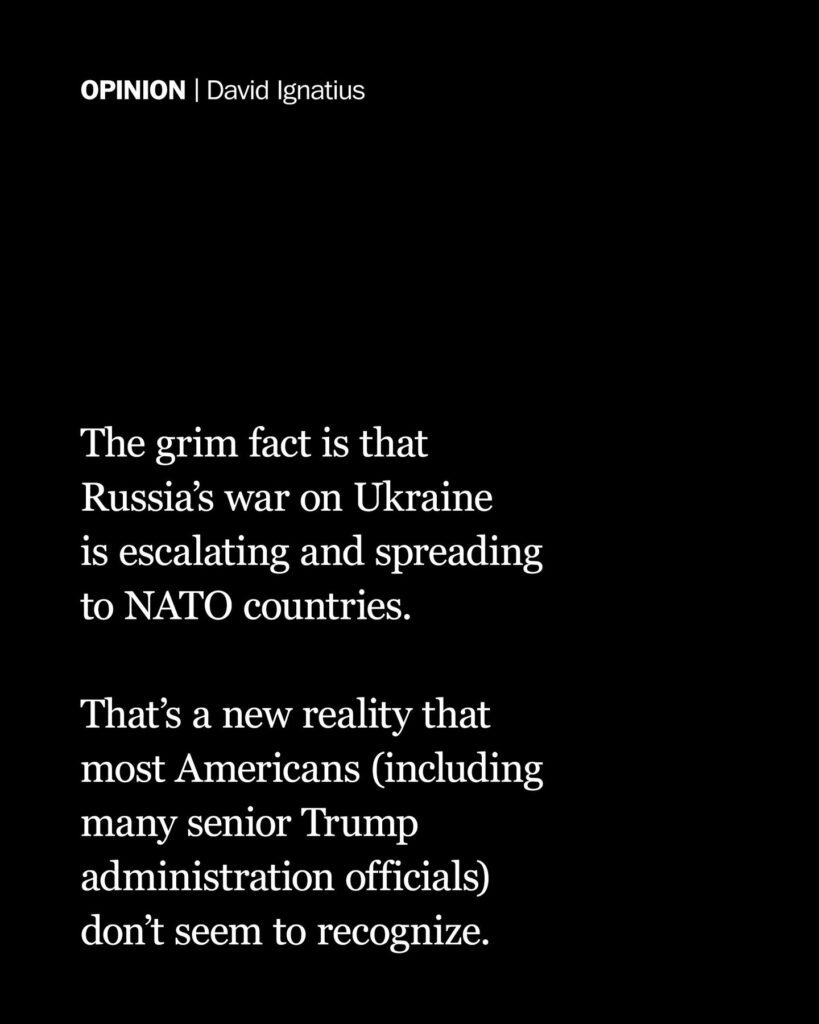
Russia’s campaign against European supporters of Ukraine is becoming more aggressive, while limited US involvement could increase the risk of a wider confrontation between Russia and NATO, according to a new Washington Post opinion column by David Ignatius.
Ignatius argues that Europe is facing a growing wave of drone incursions, sabotage, cyberattacks and other hybrid operations linked to Russia, at the same time that the United States appears reluctant to take a stronger leadership role. The article is an opinion analysis, not a straight news report, and its recommendations reflect the author’s views.
63 Russia-Linked Incidents Since March
A private analysis from strategic advisory firm TD International, cited by Ignatius, counted 63 Russia-linked incidents against European targets since March.
That included:
- 43 drone or other airspace incidents
- 6 sabotage operations or plots
- 6 cyber or electronic-warfare attacks
- 5 hostile maritime incidents
Ignatius argues that these operations show Russia’s campaign is moving beyond the traditional “gray zone” of cyberattacks and political pressure toward actions that could eventually cause direct casualties inside NATO countries.
European Weapons Suppliers Are Becoming Targets
The risks are particularly visible around companies supplying weapons to Ukraine.
In April, Russia’s Defense Ministry published the names and addresses of 21 European companies it said were involved in producing drones or components for Ukraine and described them as potential targets.
The Washington Post column points to reported sabotage attacks in August involving Milrem Robotics in Estonia, ammunition company EMCO in Bulgaria, and KNDS Ammo in Italy.
Germany has also accused Russia of an August drone attack on a Ukrainian cargo aircraft at Leipzig/Halle airport, along with two additional attempted drone strikes.
German officials have described such incidents as part of a broader pattern of hybrid warfare and have announced stronger surveillance of Russia’s so-called shadow fleet, which helps transport Russian oil.
Britain Is Taking a Tougher Position
Britain has pushed for a stronger response.
Prime Minister Andy Burnham recently visited Kyiv and announced that Britain would work with France to help Ukraine build an advanced cruise missile based on the Storm Shadow/SCALP system.
The move comes as European countries increasingly take responsibility for supplying Ukraine while concerns grow about whether Washington would respond strongly if Russian operations directly affected NATO territory.
A War Game Highlighted NATO’s Biggest Risk
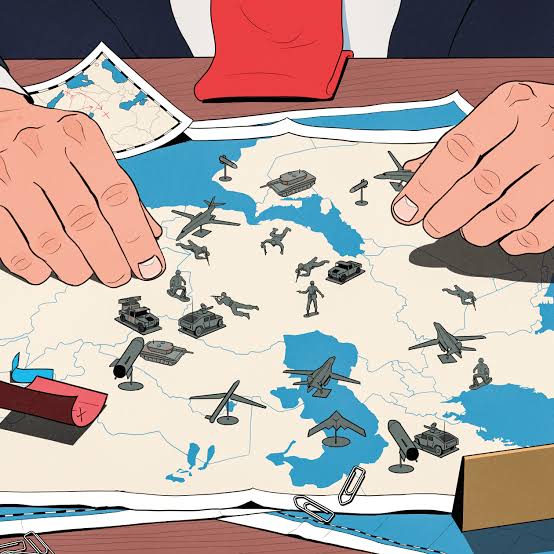
Ignatius opens the article with a war-game scenario set in 2028.
In the simulation, Russia attacks Moldova, while a Russian drone strikes a fuel depot in Romania, killing civilians inside a NATO member state.
Participants, including current members of Congress and former US military, intelligence and diplomatic officials, responded cautiously.
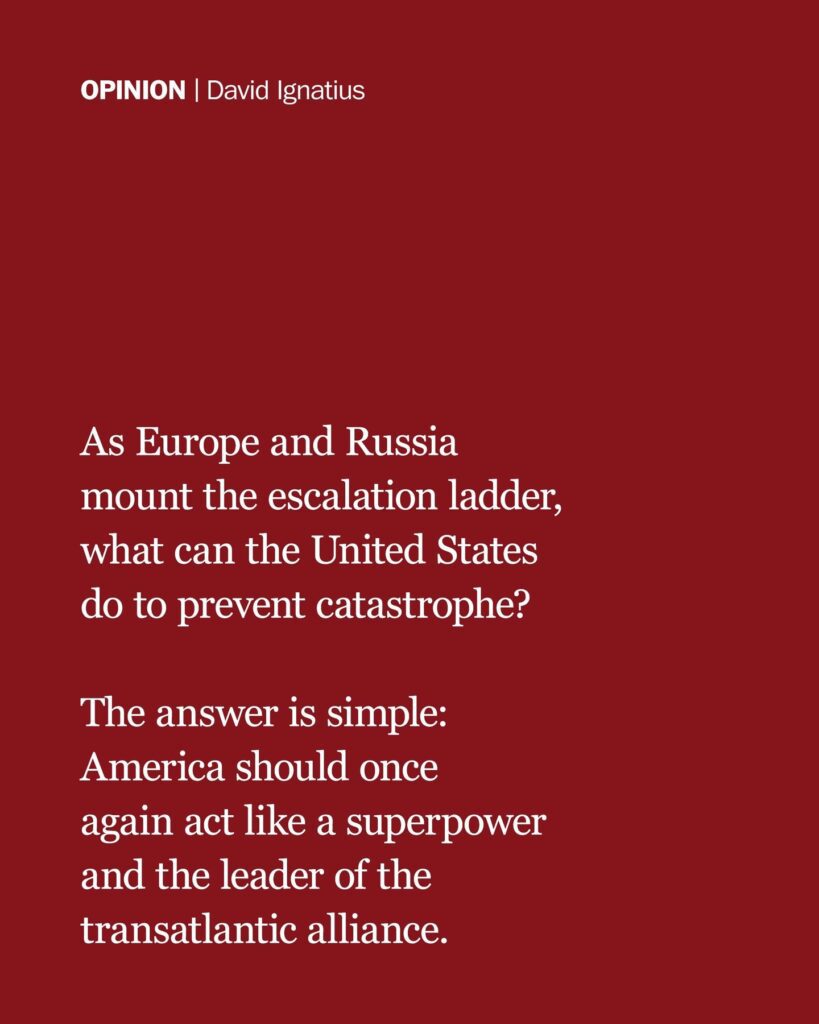
Ignatius argues that the simulation exposed a dangerous possibility: without strong US leadership, NATO’s Article 5 collective-defense commitment could become less credible, leaving European countries divided over how to respond to a Russian attack.
The Column Calls for Stronger US Deterrence
Ignatius argues that Washington should take several steps to reduce the risk of escalation.
He says the US and European allies should jointly warn Russia that attacks against NATO countries would bring serious consequences.
He also recommends that the Pentagon pause any review that could lead to reductions in US forces stationed in Europe, while allowing Europe and Ukraine greater access to increased US weapons production.
If Russian attacks on Ukrainian cities continue, Ignatius also argues that Western governments should support proportional Ukrainian strikes against Russian targets.
These are policy recommendations from the columnist, rather than announced US government decisions.
The Bigger Risk Is Miscalculation
The central concern is not necessarily that Russia or NATO actively wants a direct war.
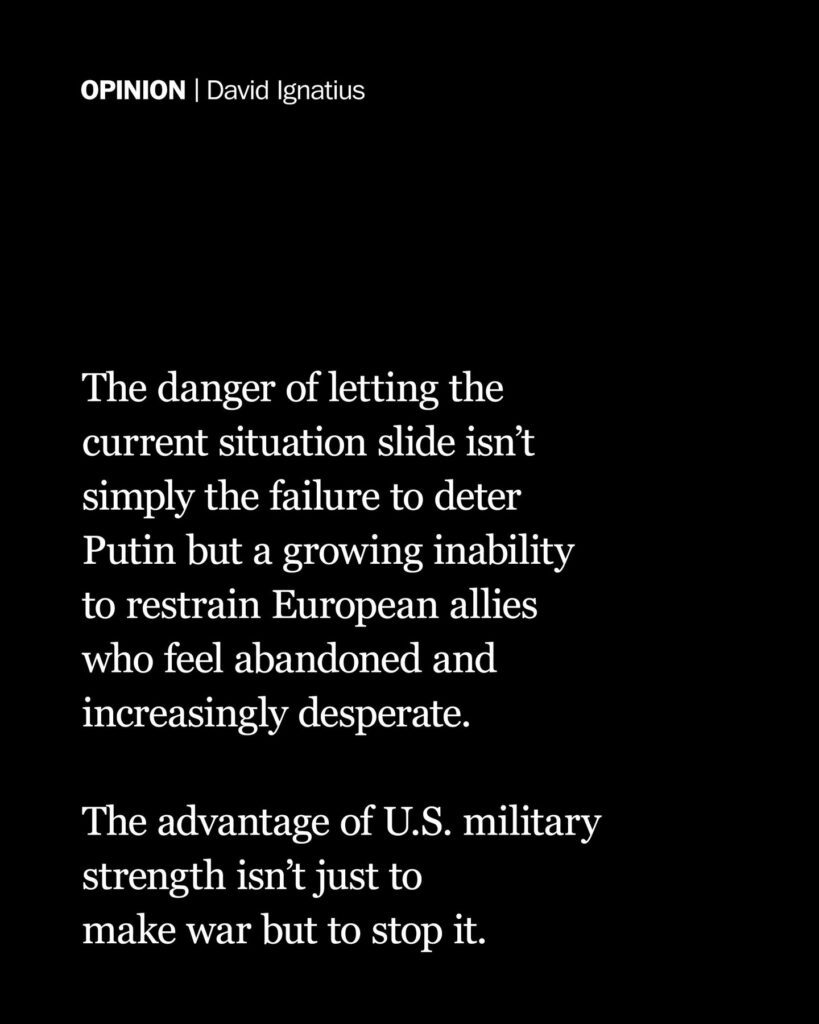
Instead, the risk is that repeated drone incidents, sabotage operations and attacks on military suppliers gradually create a situation where one incident triggers a much larger response.
At the same time, European governments that feel increasingly exposed could begin acting more aggressively on their own if they believe American security guarantees are weakening.
Bottom line: The Washington Post column argues that Russia’s hybrid campaign against Europe is becoming more dangerous just as uncertainty grows over US commitment to European security. Ignatius believes stronger American deterrence could reduce the chance of a larger conflict, while continued hesitation could make miscalculation between Russia and NATO increasingly difficult to control.
Source: The Washington Post, David Ignatius, Opinion, September 3, 2026
Related: Europe Can No Longer Rely on the US, German Think Tank Warns