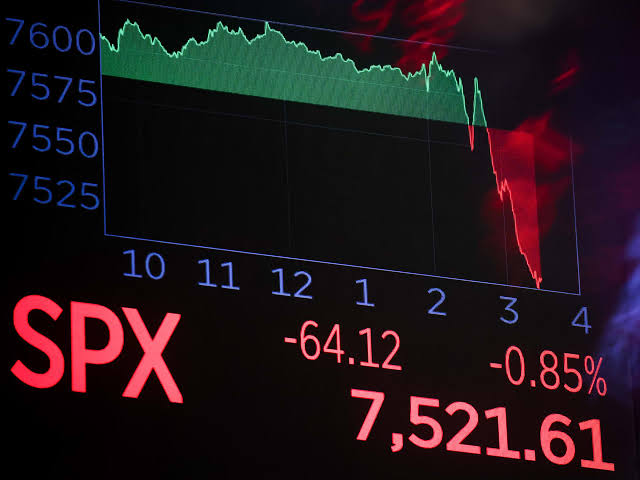



The US stock market is showing signs of recovery beneath its technology-heavy indexes, but weaker small caps, rising credit concerns and heavy investor positioning leave the outlook unsettled.
That is the central picture in Callum Thomas’s October 18 ChartStorm. Improving market breadth offers encouragement, while borrowing and concentration measures highlight risks.
The 10 signals
- The S&P 500 presents a mixed picture. Semiconductor weakness weighed on the headline index, while the equal-weighted version recovered approximately 3% from its lows. More companies participating in a recovery can make the market less dependent on its largest names.
- Small caps have entered a substantial correction. They fell approximately 3% during the week, leaving them 11% below their peak and near an important technical support area. Whether buyers defend that level will help indicate the strength of demand.
- The small-cap decline has exceeded the earlier war-related correction. The September-to-October setback has been larger than the first-quarter decline associated with the Iran war, further weakening already cautious sentiment toward smaller companies.
- Seasonal patterns are becoming more favorable. Small caps are moving beyond a historically weaker period of the year. Midterm-election-year patterns offer some encouragement, although historical tendencies cannot guarantee a rebound.
- Positioning shows a contrast between big technology and small caps. The charts highlight increased short exposure to large technology companies alongside substantial long exposure to small caps. These positions reflect expectations, rather than proof that a rotation will succeed.
- Corporate buybacks could provide support. Earnings-related restrictions on repurchases are expected to ease in the final week of October. That could allow more companies to resume buying shares, although actual activity depends on corporate decisions.
- Private-equity stocks remain under pressure. Their weakness adds to concerns surrounding private credit, fundraising and business models dependent on substantial borrowing. A further technical breakdown would be another warning signal.
- Technology credit protection is becoming more expensive. Rising credit-default-swap prices suggest investors want greater protection against repayment risk. The pressure extends to telecommunications and media companies as well as technology.
- Margin-debt momentum is weakening. An indicator tracking the acceleration of investor borrowing has rolled over after reaching elevated levels. That can signal fading speculative momentum, but it does not establish when a market decline will occur.
- AI concentration remains a major exposure. Under the analysis’s broad definition, AI-related companies account for approximately half the index. That classification extends beyond the formal technology sector and highlights how widely portfolios may depend on the same investment theme.
The financing concerns connect with the developments covered in The AI Boom Is Increasingly Being Financed by Debt.
Recovery needs more than seasonal support
The overall assessment remains cautiously positive: earnings growth and the market’s longer-term uptrend provide support, while expensive valuations and high equity allocations increase vulnerability.
High allocations matter because investors already heavily invested in shares have less room to add exposure. Disappointing earnings or tighter monetary conditions could instead encourage selling.
The next test is whether improving participation can survive pressure from borrowing costs, weaker AI shares and uncertain earnings expectations.
Disclosure: This article does not represent investment advice. The content is for informational and educational purposes only.