
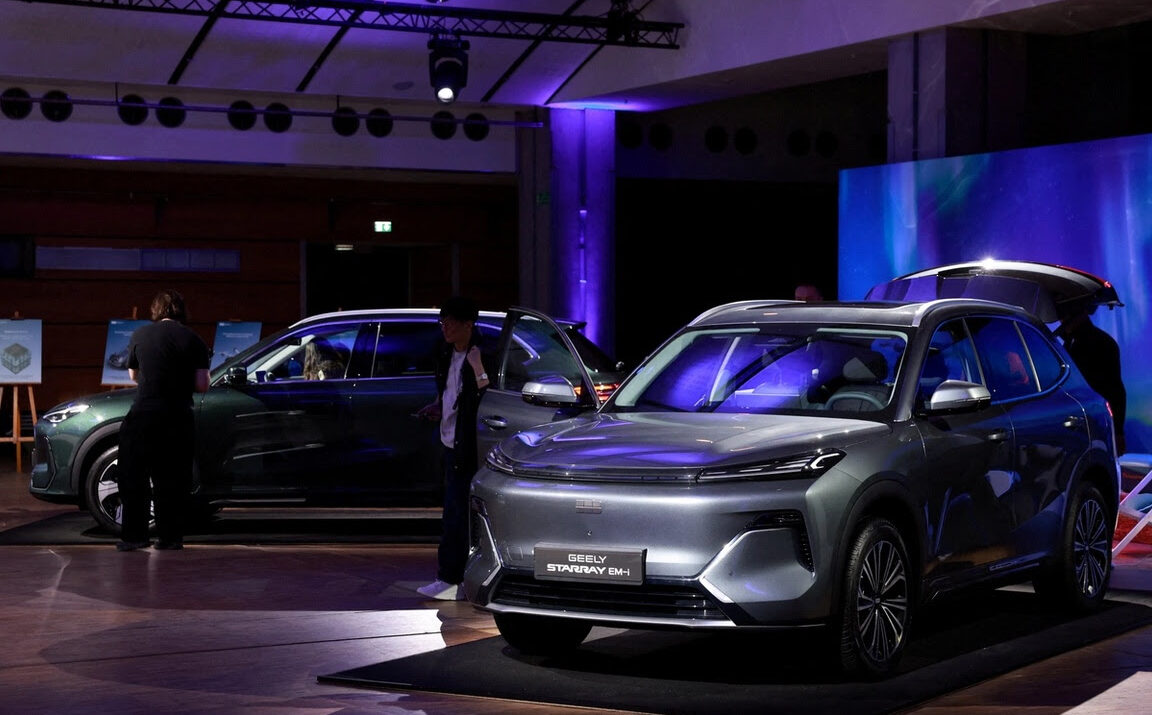

China and EU have reached an agreement that could reduce Chinese hybrid vehicle exports to the bloc by more than half, offering European automakers relief while leaving broader trade tensions unresolved.
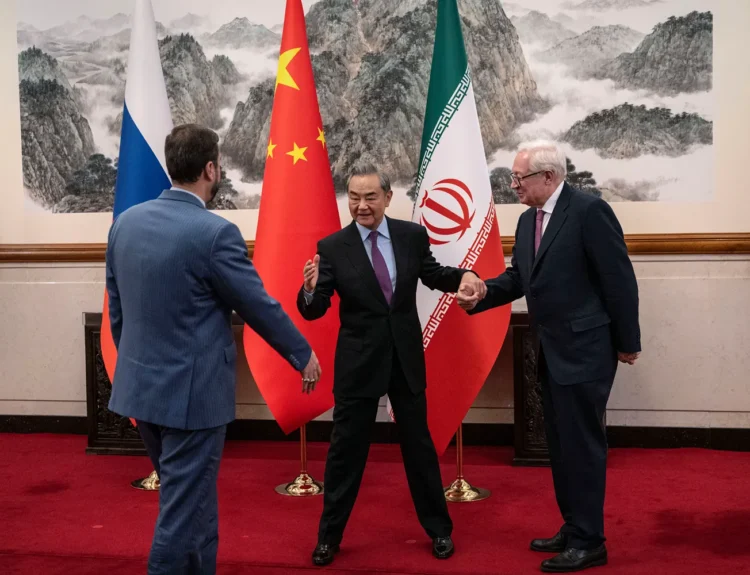
EU Trade Commissioner Maroš Šefčovič announced the understanding on October 9 following negotiations in Beijing. He said it could reduce projected imports by several million vehicles over four years, according to Reuters.
The package also includes understandings on lowering Chinese duties on almost €4 billion of EU exports, including car parts, olive oil and footwear, and easing export licensing for rare earths and permanent magnets.
How the restrictions could work
The agreement does not mean shipments have already fallen.
The Financial Times reported that, subject to member-state approval, the EU would introduce a safeguard allowing a limited volume of imports before additional tariffs apply.
Chinese imports accounted for 25% of the EU’s plug-in hybrid market in the first half of 2026, compared with 2% in 2024. Their share of other hybrids reached 14%, also up from 2%.
Beijing stresses equal treatment
China’s account adds an important qualification. On October 12, it said its hybrid export quota should be no lower than those allocated to other import sources, and EU measures must not discriminate against Chinese companies, Reuters reported.
That makes the final quota rules, tariff levels and implementation timetable important for manufacturers planning European sales.
Related: Europe Hardens Its Stance on China as Trade Tensions Rise.
Relief for carmakers, with limits
Restricting imports could ease competition for European producers. However, it would not automatically solve their production costs, product-development challenges or exposure to the Chinese market.
For buyers, tighter supply could also reduce access to lower-priced imported models.
The agreement could give European carmakers breathing room. Its lasting value will depend on the final rules and whether that time translates into stronger competitiveness.
Disclosure: This article does not represent investment advice. The content is for informational and educational purposes only.