
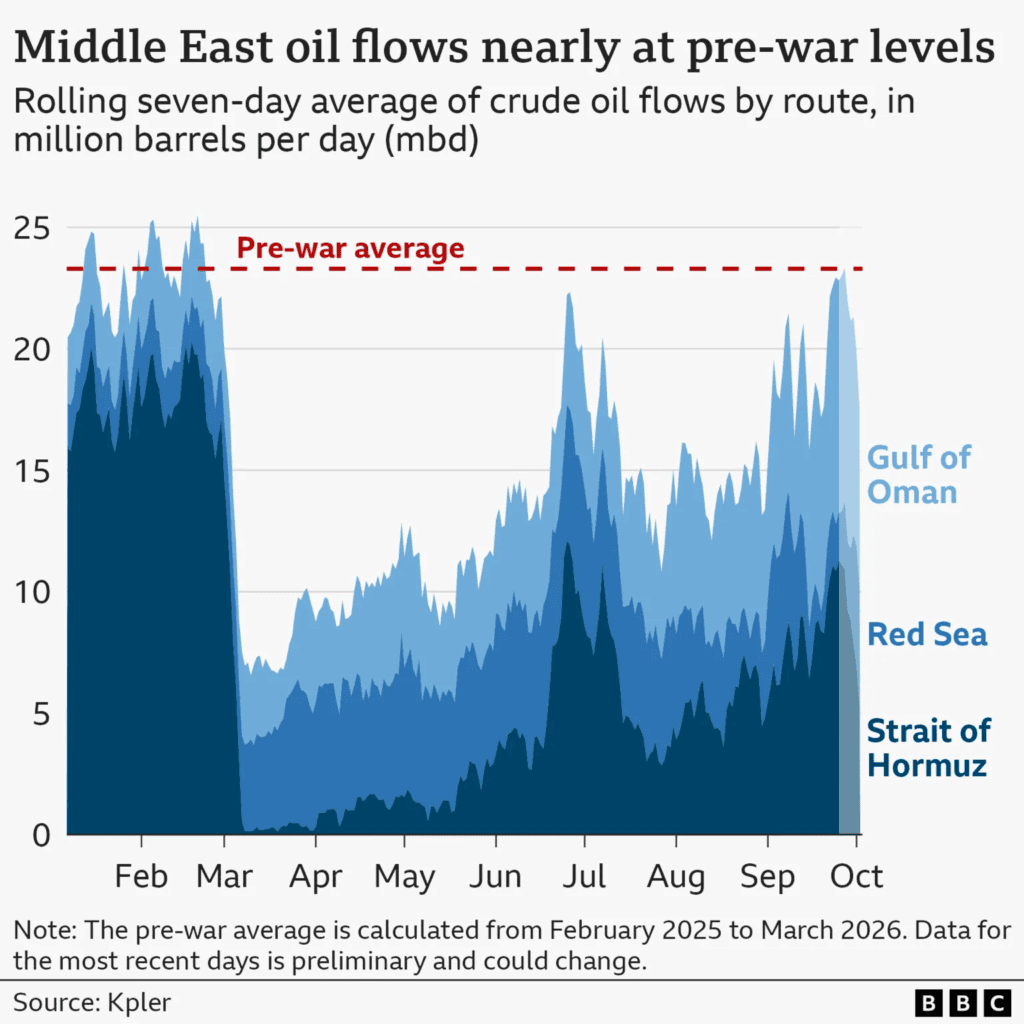
Middle East oil flows have recovered to 92% of their pre-war level, even as Iran continues restricting passage through the Strait of Hormuz.
Kpler’s figures for the final week of September show how alternative transport arrangements are restoring exports. The BBC report identifies three reasons behind the recovery: military assistance, tanker transfers and greater use of pipelines.
1. US military assistance helps ships pass
American military support is helping vessels navigate the strait despite continuing threats.
Escorts can make journeys possible, but their necessity also shows that commercial shipping conditions remain disrupted. Sustaining these flows depends partly on continued protection.
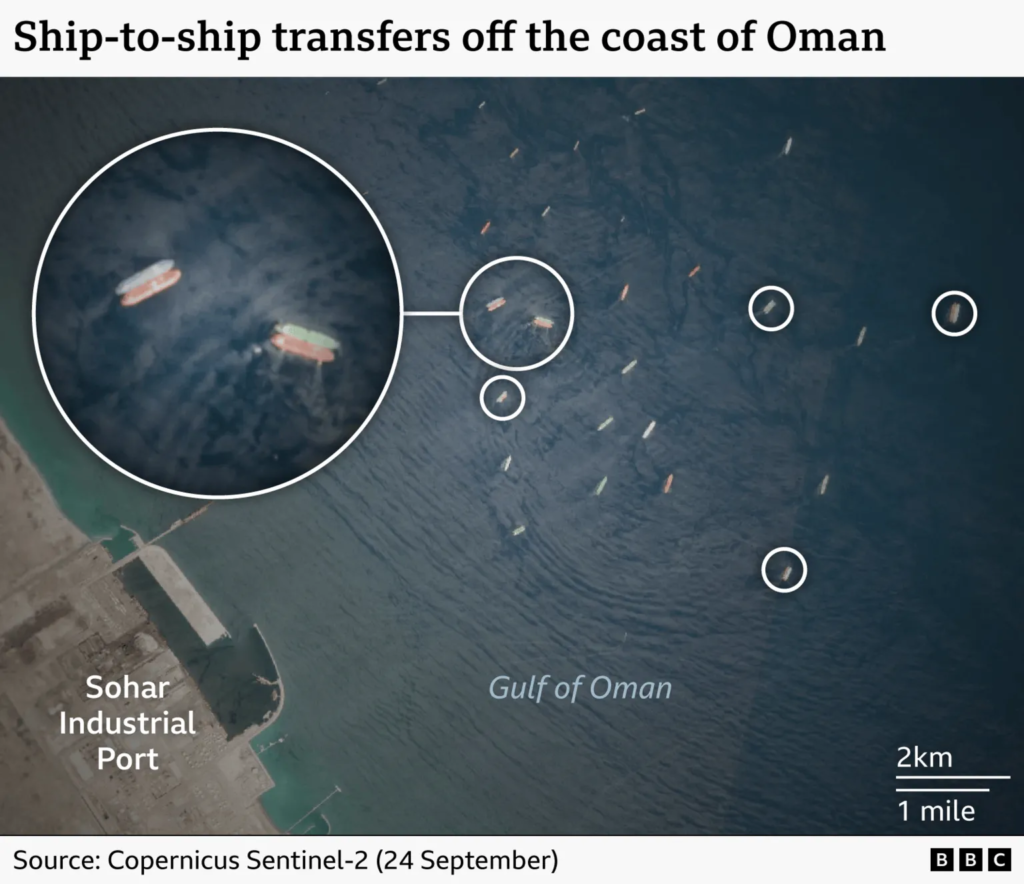
2. Shuttle tankers keep cargo moving
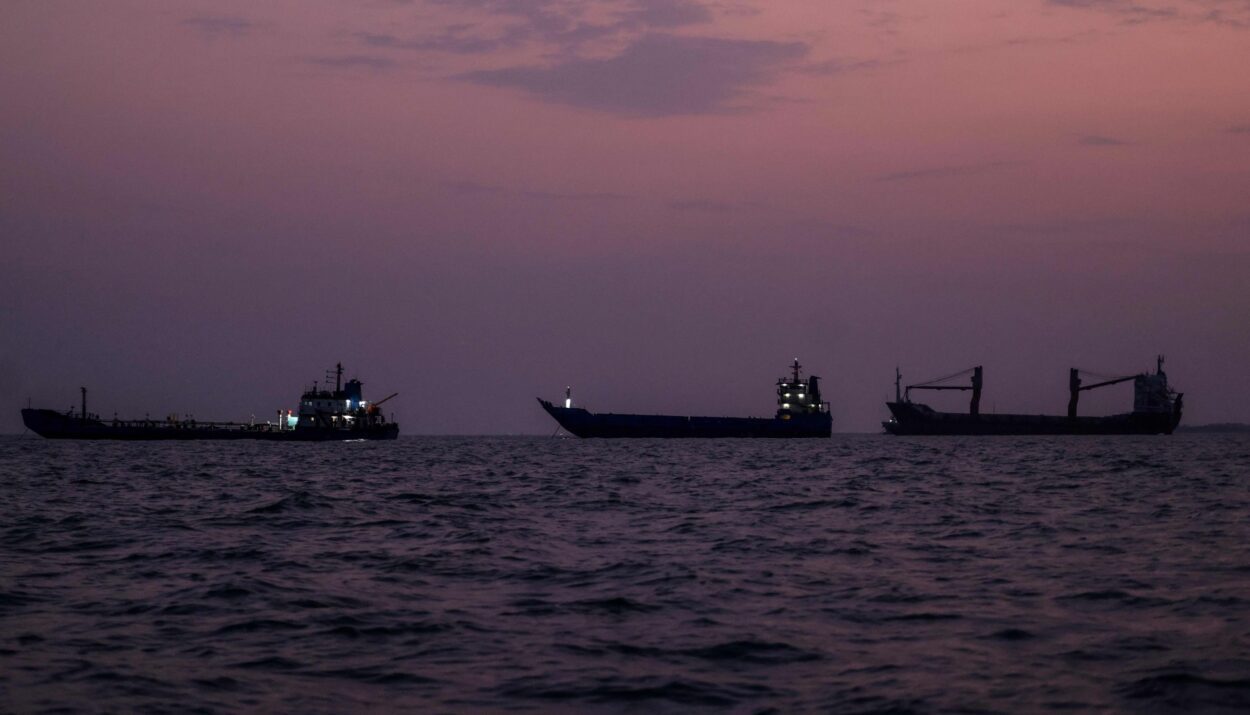
Shuttle tankers carry oil through Hormuz before transferring it to other vessels in the Gulf of Oman.
More than four million barrels a day were transferred between ships in the week to September 30, according to Kpler. This arrangement allows onward shipments without requiring every receiving tanker to enter the strait.
Related: Oil Tanker Rates Top $1 Million a Day: Three Ways Investors Can Trade the Surge.
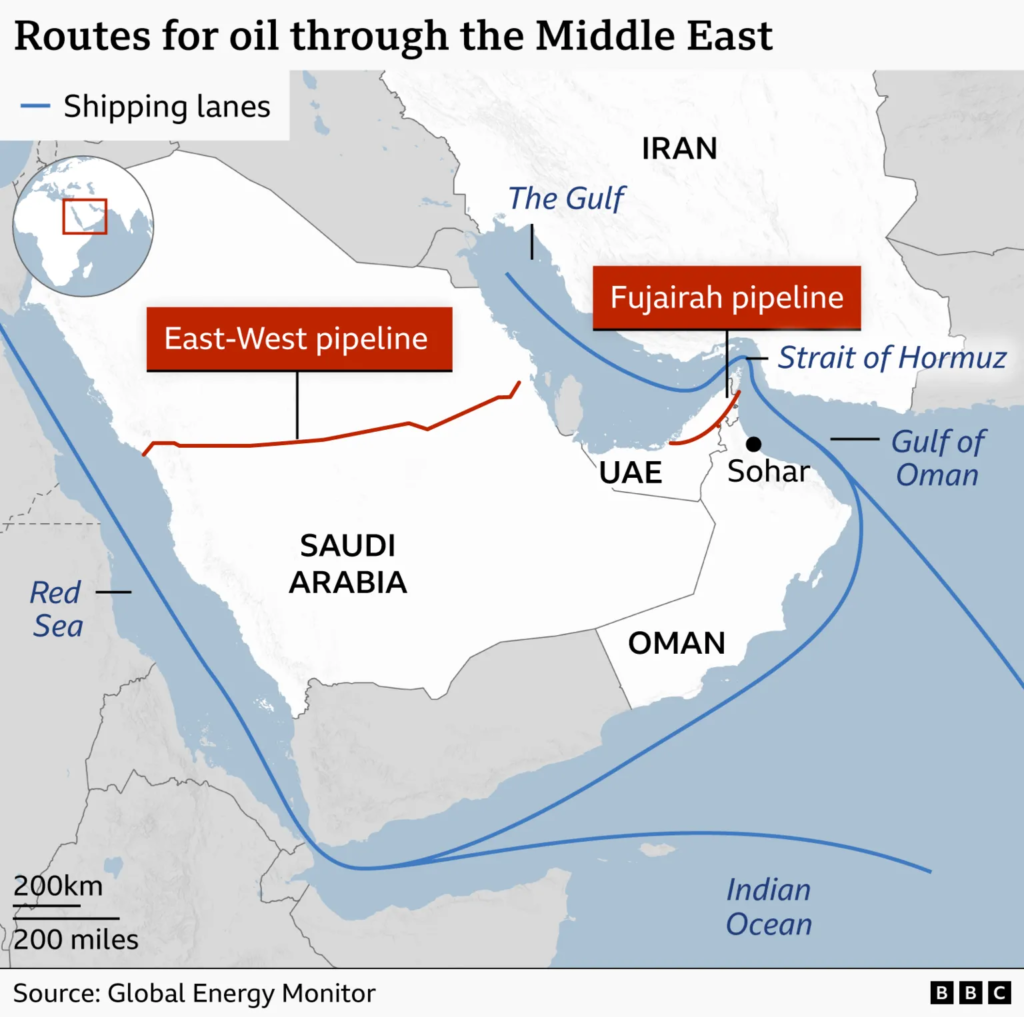
3. Pipelines carry more exports around Hormuz
Pipelines accounted for around 40% of regional oil exports in September, compared with 17% before the war, carrying supplies to ports on the Red Sea or Gulf of Oman.
The increase reduces dependence on Hormuz, although alternative infrastructure also remains vulnerable to disruption.
Recovery still faces risks
Further Iranian attacks or changes in US policy could undermine these arrangements.
For markets, export volumes are only part of the picture. Transport costs, delivery reliability and the threat of another interruption also affect the value of available supplies.
Related: Iran Offers Seven-Day Peace Plan, but Trump Reportedly Rejects It.
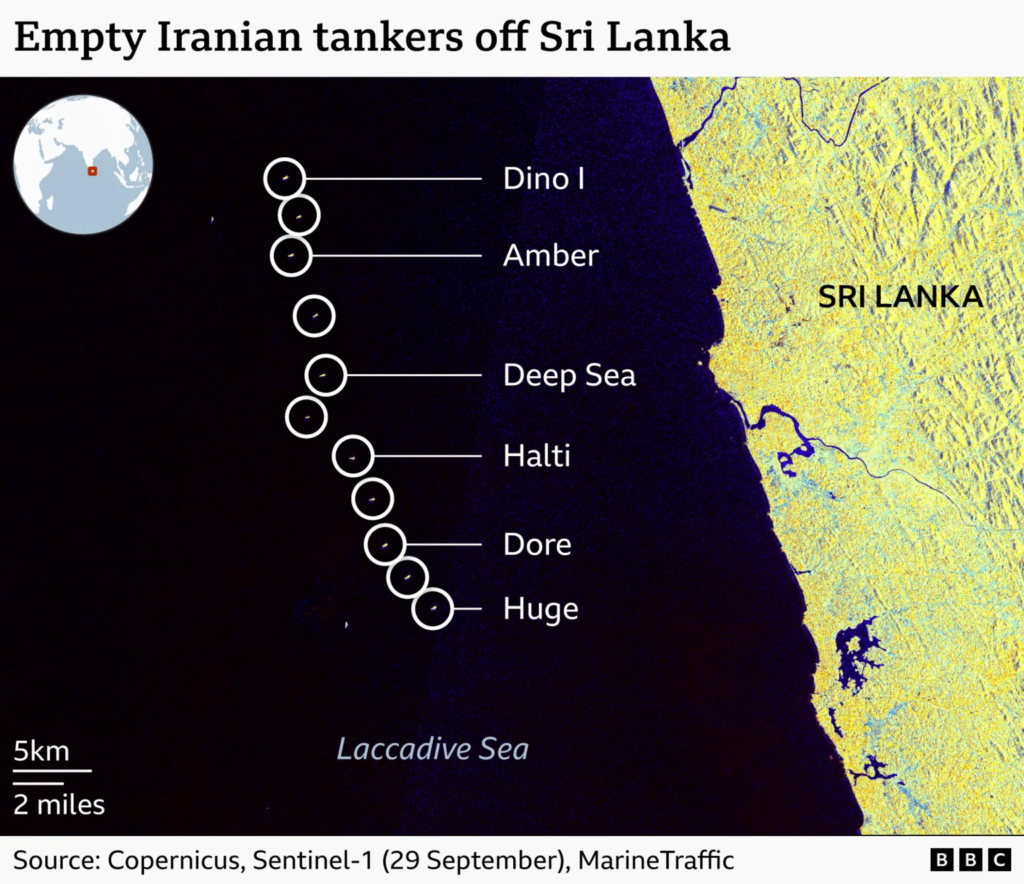
More oil is reaching buyers, but a recovery built on escorts and alternative routes remains exposed to the conflict.
Disclosure: This article does not represent investment advice. The content is for informational and educational purposes only.