

The AI investment opportunity extends beyond chips and data centres. As the technology becomes cheaper to use, businesses that turn it into better products, lower costs and stronger customer relationships could capture more of its value.
That is the central argument in Market Sentiment’s latest analysis, which identifies five areas to watch as investors look beyond the infrastructure boom. It is an investment thesis, rather than proof that today’s market leaders have peaked.
Why cheaper AI matters
There is evidence behind the falling-cost argument. Stanford’s 2025 AI Index found that the price of using a model matching GPT-3.5’s performance on a specific benchmark fell from $20 to $0.07 per million tokens between November 2022 and October 2024, a reduction of more than 280 times.
That comparison measures the price of achieving a particular performance level. It does not mean every AI service became equally cheaper, or that companies’ total computing bills fell.
For investors, the question is how much of any saving reaches the bottom line.
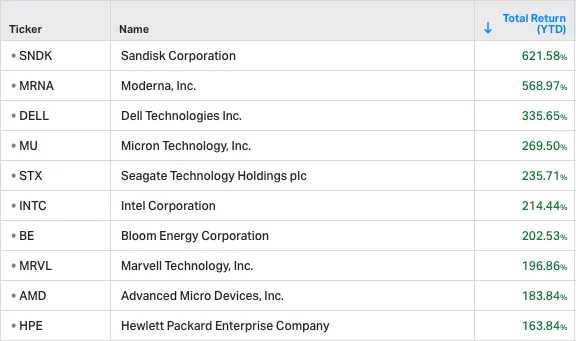
1. Businesses improving profit margins
Companies can use AI to reduce administrative work, improve pricing and handle customer requests more efficiently.
The investment test is measurable improvement after implementation costs. A business reporting faster workflows should eventually demonstrate benefits through lower expenses, increased capacity or stronger customer retention.
Competition matters too. If every rival achieves similar savings, customers may capture the benefit through lower prices.
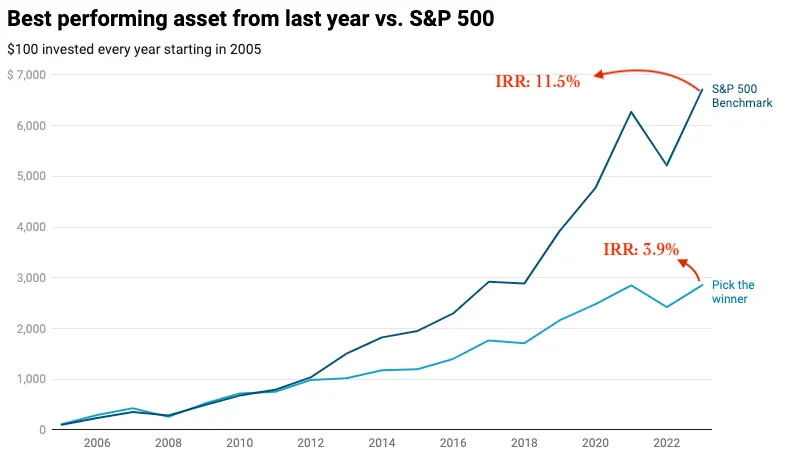
2. Cybersecurity
More AI-generated software and automated activity could create additional demand for protection and monitoring.
But increased threats do not guarantee that every security vendor wins. Investors should examine whether customers purchase additional services, renew contracts and accept higher prices.
Revenue growth must also cover the vendor’s own spending on AI and computing.
Related: The AI Boom Is Increasingly Being Financed by Debt.
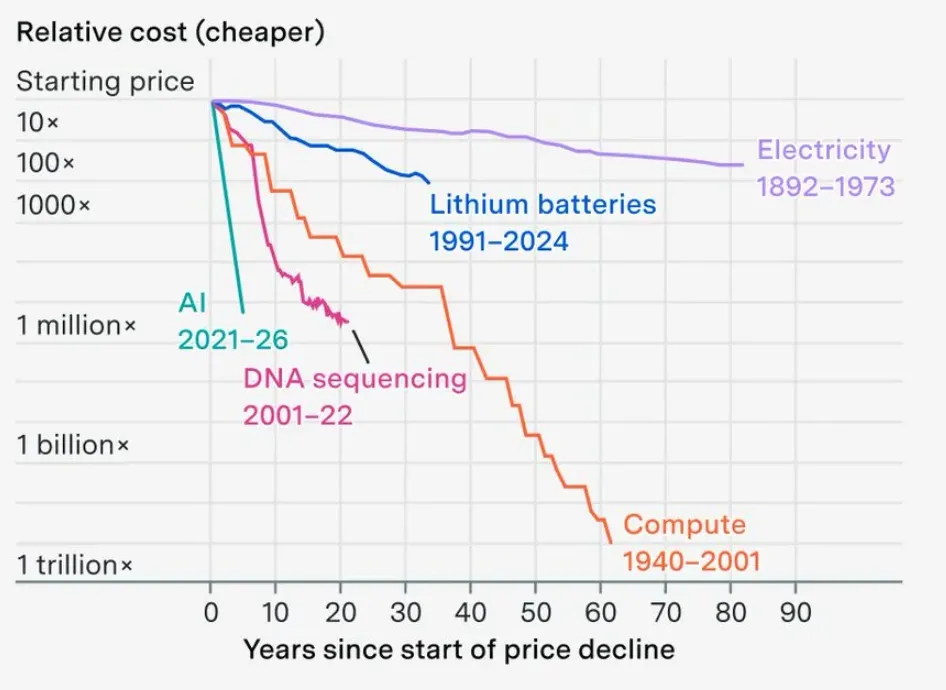
3. Lower-cost computing
Routine tasks do not always require the most powerful model. Smaller systems and specialised chips could make certain workloads more economical.
The useful comparison is cost per successfully completed task, including accuracy, speed and reliability. A cheap system that requires frequent human corrections may offer little real saving.
This remains an infrastructure opportunity, showing that the shift is more nuanced than simply abandoning hardware.
4. Software development infrastructure
If AI makes applications easier to build, demand could increase for tools that deploy, connect, monitor and maintain them.
However, more applications will not necessarily produce proportionately higher supplier revenue. Some may attract few users, while competition could reduce prices.
Investors should distinguish growing activity from profitable, recurring customer demand.
5. Consumer platforms and advertising
Platforms could benefit from better recommendations and more effective advertising.
The financial question is whether improvements generate enough additional revenue to cover development and operating costs. Higher engagement alone does not establish a profitable return.
Privacy requirements and customer trust also affect how businesses can use their data.
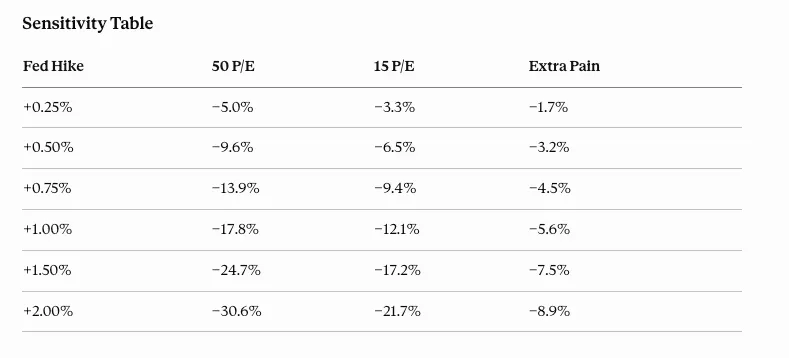
A broader opportunity, with valuation still central
These five areas offer a useful research framework, not an automatic buying list. AI adoption can improve a business while its shares remain too expensive.
The strongest candidates will demonstrate durable savings or additional revenue, retain those benefits despite competition, and trade at prices that leave room for uncertainty.
Related: Big Tech Keeps Stocks Afloat as Rising Rates Test the Rally.
Disclosure: This article does not represent investment advice. The content is for informational and educational purposes only.