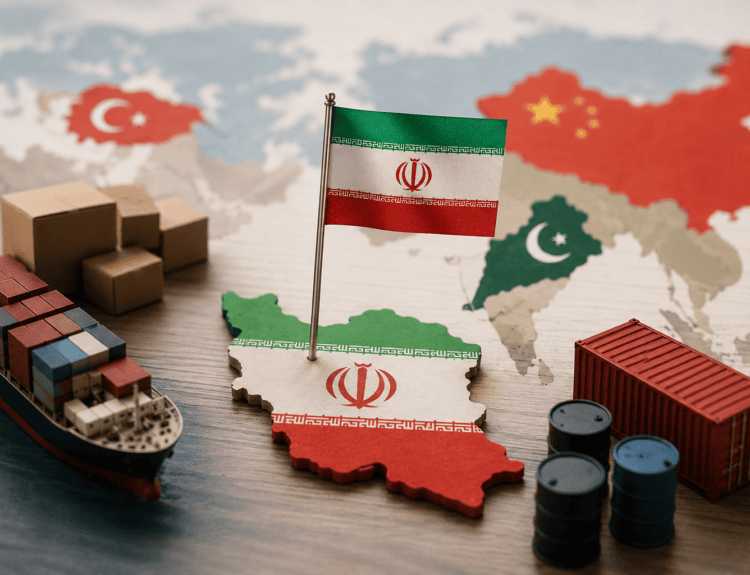


The US midterm elections on November 3 could become a turning point in the Iran war, as rising energy prices and growing public opposition put political pressure on President Donald Trump to avoid a major escalation before Americans vote.
War Is Becoming a Political Problem
Republicans are trying to protect narrow majorities in Congress, while the Iran conflict remains unpopular with US voters.
A late-August Reuters/Ipsos poll found that only 31% of Americans supported the war, while 63% opposed it. Trump’s approval rating has also fallen from 40% to 33% since the conflict began.
The economic impact is adding pressure. Iran’s disruption of the Strait of Hormuz has pushed energy costs higher, while US diesel prices recently reached a record high.
Another August poll found that 61% of Americans believed the Iran war had made life more expensive for their families. Higher fuel and transport costs can also push up grocery and other consumer prices, making inflation an even bigger election issue.
Washington Is Trying to Limit Escalation
The Trump administration appears to be shifting more of its pressure toward sanctions and economic measures instead of returning immediately to full-scale fighting.
Washington has targeted companies involved in Iranian oil trade and continues its naval pressure around the Strait of Hormuz.
But military action has not stopped completely. Vice President JD Vance said that economic, diplomatic, covert and military options remain available.
Iran May Have Its Own Election Strategy
The biggest risk is that Iran may not want to wait until after November.
Analysts cited by Al Jazeera argue that Tehran could believe Trump plans to intensify military operations once the elections are over.
That could create an incentive for Iran to increase pressure now, when Trump is more politically vulnerable. Further attacks on US forces, shipping or regional energy infrastructure could force Washington into a stronger response even if the White House wants to keep the conflict contained.
What Happens After November?
The election result could significantly change Trump’s room to act.
A Republican victory could give the administration more political freedom to escalate. A Democratic takeover of either chamber of Congress could make additional military spending and war policy harder to pursue.
But analysts also warn that once the election is over, Trump may feel less political pressure to keep the conflict limited regardless of the result.
Bottom line: The next two months could be critical for the Iran war. Trump has strong political reasons to prevent another major escalation before the midterms, but Iran’s own calculations could make that increasingly difficult. For markets, any renewed fighting would also bring fresh risks for oil prices, inflation and global trade through the Strait of Hormuz.
Related: America’s absence is inviting the war Europe fears most