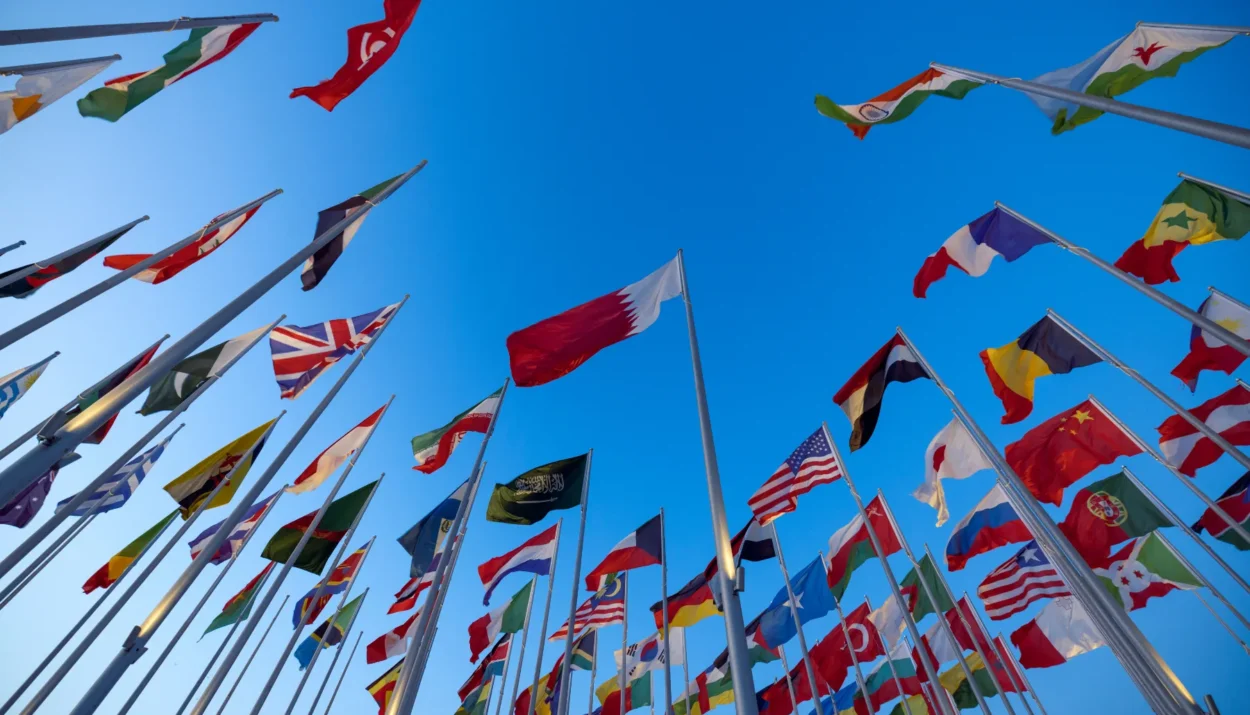

Longtime US allies are strengthening relationships outside Washington, while China is expanding its influence with traditional American partners, signaling a gradual shift in the global alliance structure.
Canada and the European Union are moving particularly closer as both deal with trade pressure from President Donald Trump. Canadian Prime Minister Mark Carney will address the European Parliament on September 17, a high-profile visit aimed at strengthening trade, defense and security cooperation. Canada has also become the first non-European country to participate in the EU’s SAFE defense initiative.
Canada’s strategy is increasingly focused on reducing its economic dependence on the US. Carney has set a goal of doubling Canada’s non-US exports over the next decade, while Europe is already Canada’s second-largest trading partner.
At the same time, China is strengthening its relationship with Egypt, traditionally an important US security partner. Chinese President Xi Jinping is preparing for his first state visit to Egypt in a decade, while the Chinese and Egyptian air forces are holding joint military exercises focused on areas including air combat and air superiority operations.
The moves come as Asian US allies are also reportedly concerned about pressure on American weapons stockpiles caused by the Iran war, raising questions about Washington’s ability to simultaneously support its military commitments across different regions.
Bottom line: The US remains the world’s central military and economic power, but Trump’s tariffs and overseas military commitments are encouraging some allies to diversify their relationships. At the same time, China is finding new opportunities to deepen economic and security ties with countries traditionally close to Washington.
Related: US Pressures Allies and China to Join Iran Sanctions Campaign