
The war with Iran has exposed important weaknesses in the US military, but fixing those problems alone may not prevent similar failures in future conflicts, according to an analysis published by Foreign Policy.
Much of the debate has focused on practical military shortcomings. The US entered the conflict with limited stocks of precision weapons and missile interceptors, inadequate defenses against cheap attack drones, too few minesweepers and insufficient preparation for disruptions to oil and other critical shipping through the Strait of Hormuz.
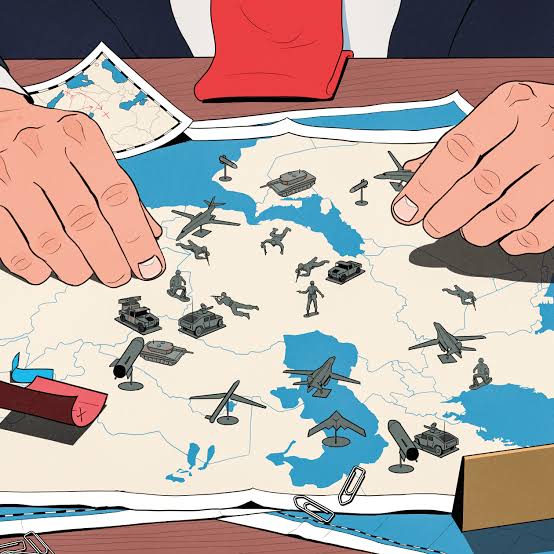
Those are real problems. But historian Bret Devereaux, writing in Foreign Policy, argues they distract from a bigger issue: whether the military was given achievable political objectives in the first place.
The Trump administration initially sought goals including regime change, destroying Iran’s long-range strike capabilities and changing Tehran’s policies on nuclear weapons and regional proxies. According to Devereaux, even a better-equipped US military would have struggled to accomplish objectives of that scale through military force alone.
Cheap Weapons Created an Expensive Problem
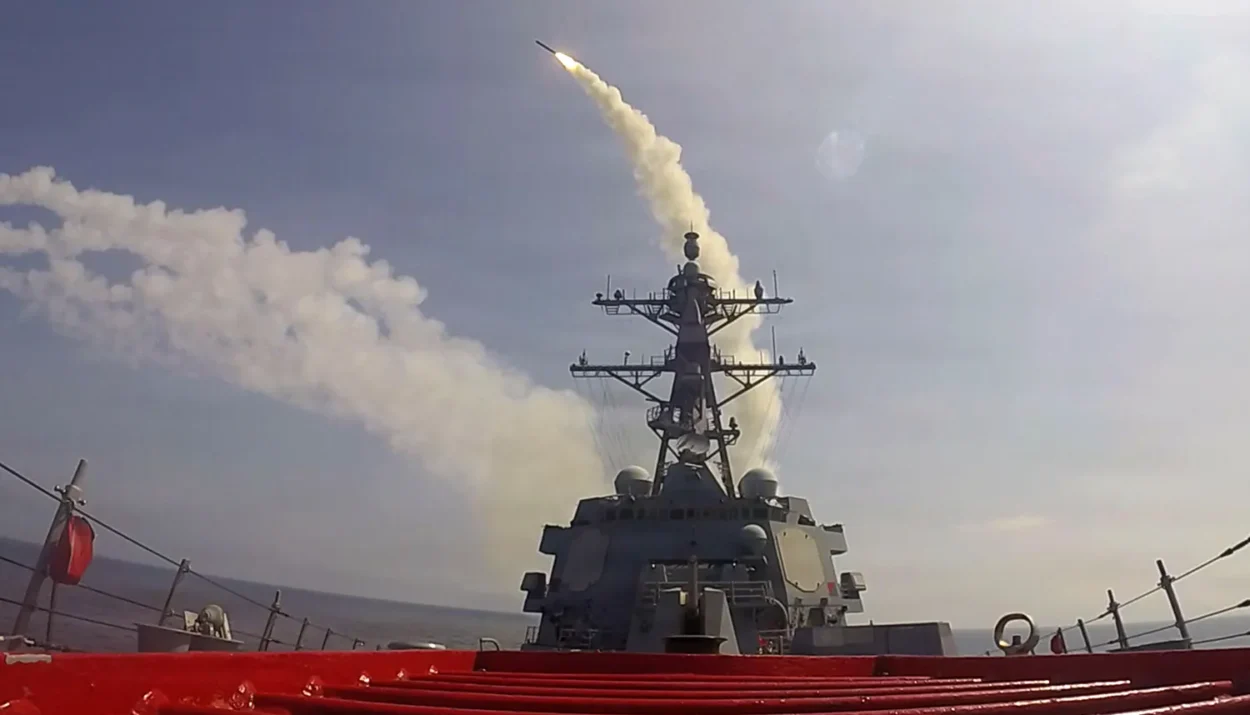
Iran also demonstrated the difficulty of defending against large numbers of relatively inexpensive drones and ballistic missiles.
The US can improve its defenses with cheaper interception systems and more short-range air defenses. But there is a basic economic problem: Iranian drones and missiles can often be produced faster and more cheaply than the sophisticated weapons required to intercept them. That means even highly effective defenses can eventually become overwhelmed if attacks continue long enough.
The conflict has also depleted important US weapons stockpiles and placed additional pressure on a military already maintaining commitments across several regions, including the Indo-Pacific.
Bottom: The Iran war will likely lead Washington to invest more in drones, missile defenses, minesweepers and ammunition stockpiles. But Foreign Policy’s broader argument is that better weapons cannot compensate for unrealistic political goals. For future conflicts, deciding what military force can realistically achieve may be just as important as having enough weapons to fight them.
Source: Foreign Policy
Related: Who does Iran trade with, and what could Trump’s ‘economic D-Day’ mean?