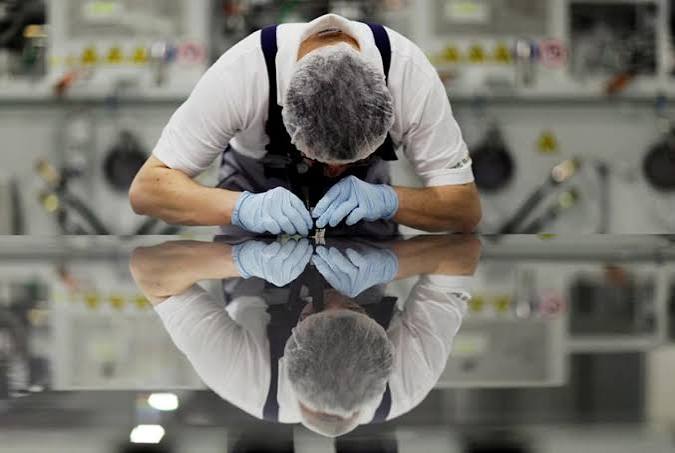

Eurozone factory output surged at its fastest pace in nearly 4.5 years in July. Still, the recovery was driven more by companies working through existing orders than by stronger customer demand, according to the latest S&P Global Manufacturing PMI survey.
The Manufacturing PMI rose to 51.9 from 51.4 in June, while the output index climbed to 52.9, its highest level since March 2022. A reading above 50 signals expansion.
Despite stronger production, the report suggests the recovery remains fragile. New orders and export demand stayed weak across much of the region, particularly in France, Spain, Italy, and Austria, forcing many manufacturers to rely on existing order backlogs to keep factories running.
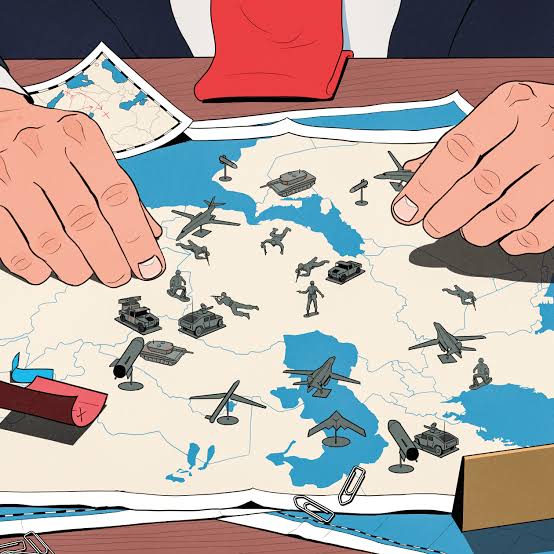
Manufacturers also continued to face challenges from the ongoing conflict in the Middle East, which has disrupted supply chains and increased energy costs. While input cost inflation eased to a five-month low, companies cut jobs for another month as they remained cautious about the outlook.
Still, business confidence improved to its highest level since February, supported by the eurozone economy’s 0.4% growth in the previous quarter. However, inflation rose to 2.9%, keeping pressure on the European Central Bank as some policymakers continue to argue that further interest rate hikes may be needed.
Investor takeaway: Eurozone manufacturing is showing signs of recovery, but weak demand and geopolitical uncertainty continue to pose risks. Investors will be watching whether new orders begin to recover in the coming months or if factory output starts to lose momentum.
Disclosure: This article does not represent investment advice. The content and materials featured on this page are for educational purposes only.