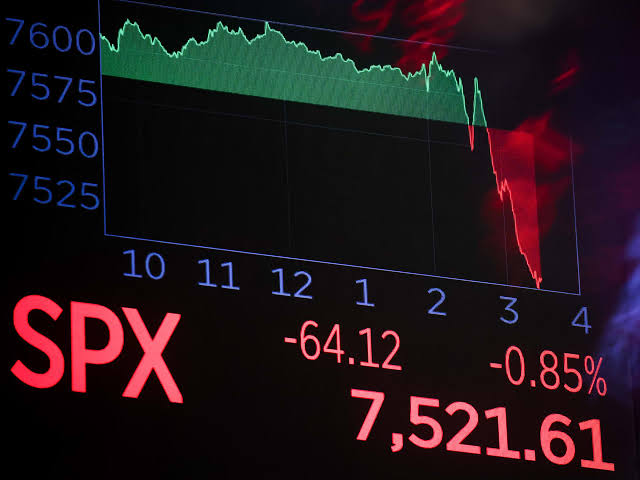

The US stock market is sending mixed signals, with improving market breadth supporting the broader rally even as weakness in semiconductor stocks and several technical indicators suggest investors should remain cautious, according to the latest Weekly S&P 500 ChartStorm by market strategist Callum Thomas.
Thomas notes that the equal-weighted S&P 500 continues to strengthen, indicating that gains are spreading beyond the largest technology companies. Improving market breadth is typically viewed as a healthy sign, suggesting more stocks are participating in the rally rather than a handful of mega-cap names driving the index.
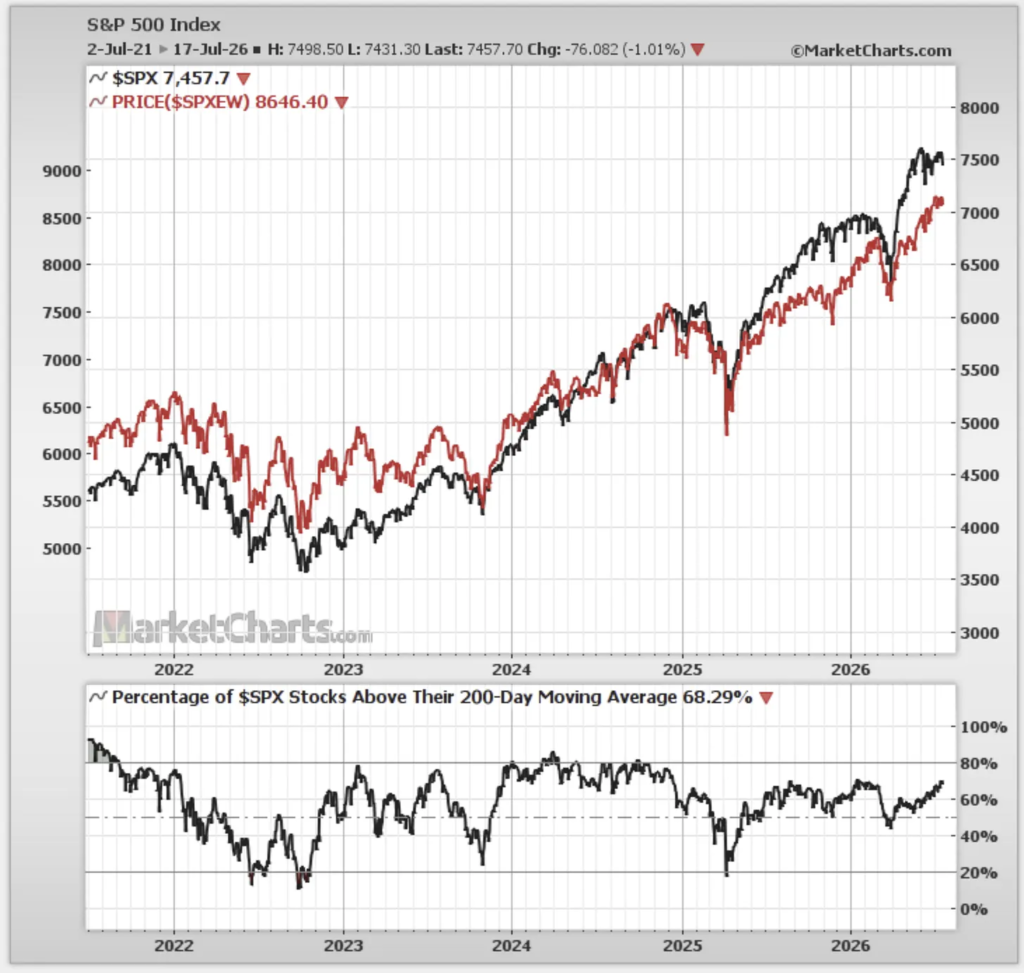
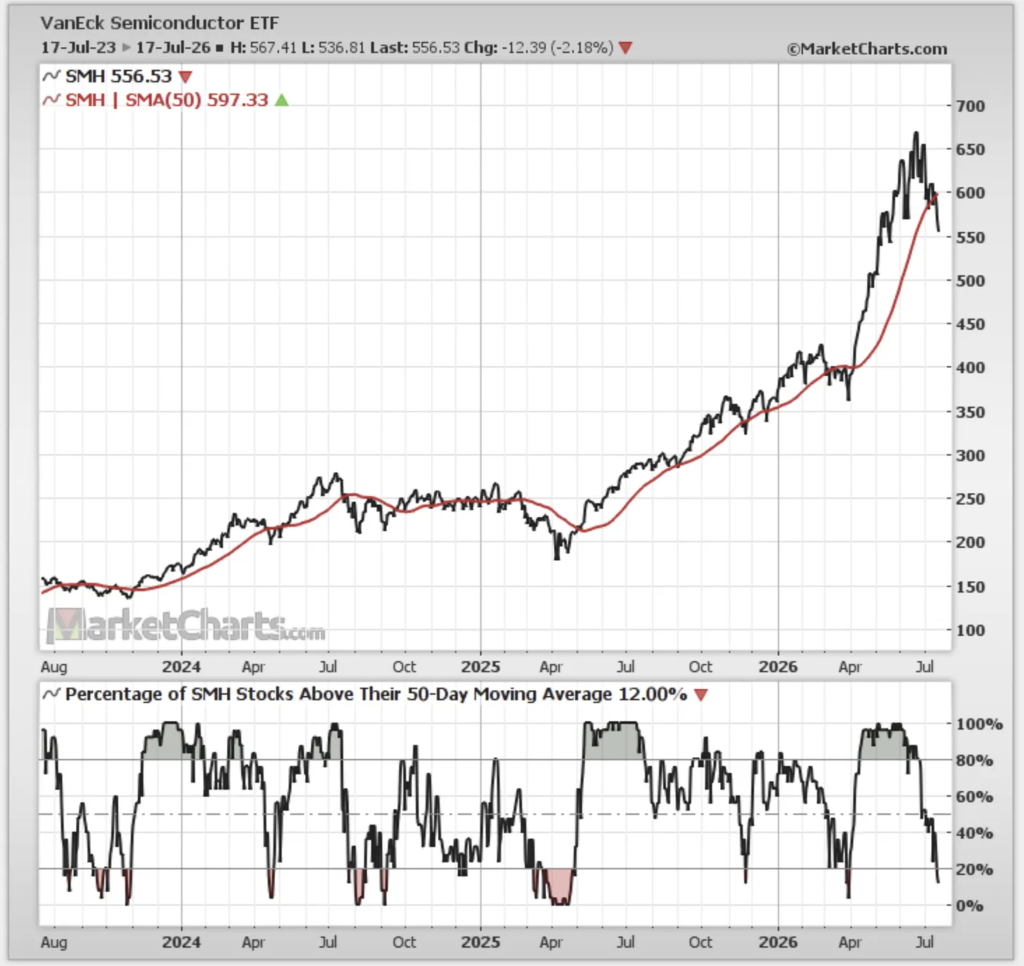
However, the report also highlights growing pressure on the semiconductor sector, which has weighed on the traditional market-cap-weighted S&P 500. Thomas argues that the recent decline in chip stocks, along with weakness in South Korean equities, resembles the unwinding of an overheated trade rather than a routine pullback.
Other indicators are also beginning to flash caution.
The report points to rising margin debt, seasonal patterns that have historically been less favorable for equities, and valuation measures that suggest investors should prepare for a more volatile period. While none of these signals guarantees a market correction, together they indicate that risks are building after an extended rally.
Despite those concerns, Thomas stops short of turning bearish. Instead, he describes the current market as one where positive and negative signals are coexisting. The broader market continues to improve beneath the surface, but the weakness in semiconductors and other risk indicators could become more influential if they persist.
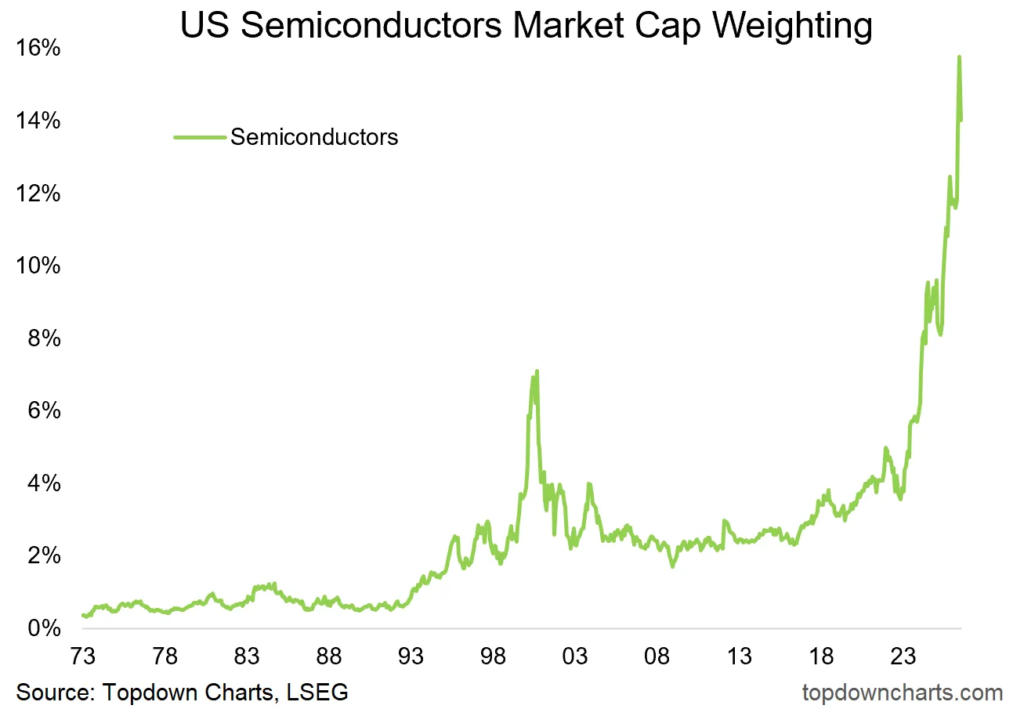
For investors, the report suggests focusing on the market’s underlying breadth rather than headline index performance alone. While the bull market remains intact, leadership is shifting, and the coming weeks may reveal whether the broader rally is strong enough to offset mounting pressure in one of the market’s most important sectors.
Disclosure: This article does not represent investment advice. The content and materials featured on this page are for educational purposes only.