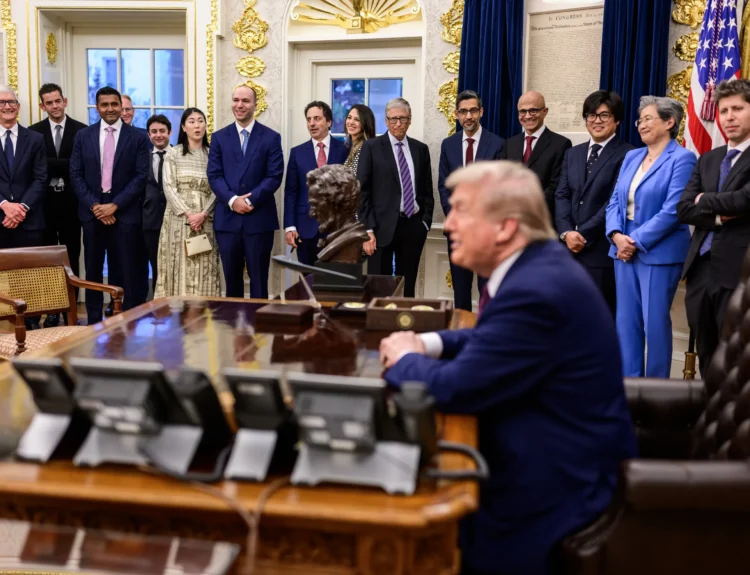
President Donald Trump has called the new US-Venezuela oil agreement the “biggest oil deal in world history,” but a Bloomberg Opinion editorial argues that the deal carries major political and financial risks while offering fewer benefits than the White House suggests.
Washington Gets Huge Oil Rights
Under the agreement, North American Blue Energy Partners (NABEP) received 100-year concessions covering 17 Venezuelan oil fields with about 65 billion barrels of proven reserves.
The US government receives rights to a 35% stake in NABEP’s parent company, can buy 20% of production at cost, and gets first refusal on the remaining 80%. Washington also holds veto power over board appointments.
NABEP says it plans nearly $100 billion in investment and aims to eventually produce more than 1 million barrels per day.
The Oil Will Not Come Cheaply or Quickly
Bloomberg’s editorial challenges the White House claim that the deal comes at effectively “zero cost” to the United States.
Venezuela’s oil industry has suffered from years of underinvestment, meaning billions will be needed for drilling, pipelines, electricity and other infrastructure before production can rise significantly.
The biggest unanswered question is where that $100 billion will come from, particularly given Venezuela’s long history of political instability and disputes with foreign investors.
Political and Legal Risks Are High
The structure of the agreement is already controversial.
Legal experts have questioned whether the 100-year concessions comply with Venezuelan law, particularly because they were awarded without a public bidding process. Venezuela’s interim government has also previously described the licenses as lasting 25 years, creating uncertainty over the terms.
There is also the risk that a future Venezuelan government could challenge or reverse the agreement.
Bloomberg analysis has warned that a democratically elected government could face strong domestic pressure to reject policies viewed as having been imposed under US pressure. A future US administration could also be less willing to defend the deal.
Lower Gas Prices Are Far From Guaranteed
For Trump, one of the biggest selling points is the possibility of increasing oil supply and reducing prices for American consumers.
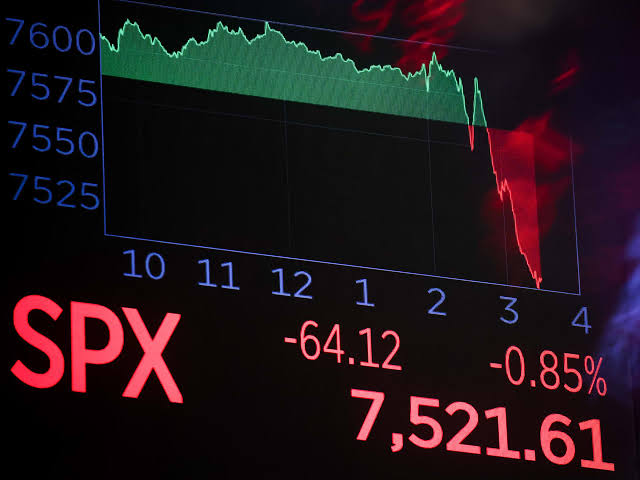
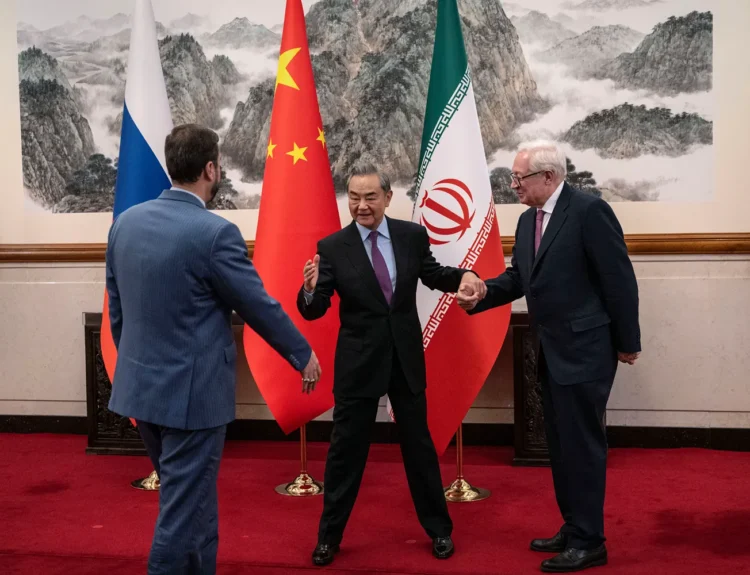
But developing these fields could take years. That means the agreement is unlikely to provide a quick solution to high gasoline prices, especially while the Iran war and disruptions in the Middle East are keeping global crude prices elevated.
Bottom line: Venezuela’s enormous oil reserves make the agreement look attractive on paper. But Bloomberg argues that the combination of huge investment requirements, legal uncertainty and political risk makes the potential payoff much less certain. The US may have secured extraordinary rights to Venezuelan oil, but turning those rights into cheap and reliable barrels could prove far harder.
Source: Bloomberg Opinion, White House, Reuters, Financial Times
Related: The US and Venezuela: What the New Oil Deal Means for Global Energy