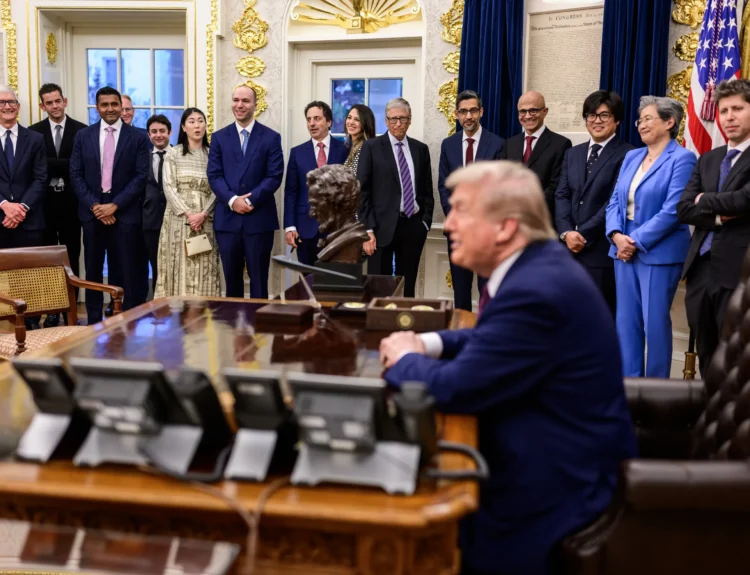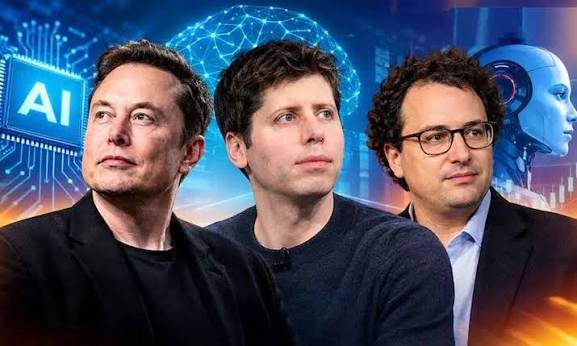

Dario Amodei, Sam Altman, Elon Musk and Demis Hassabis have backed calls to slow the development of the most advanced AI systems, warning that safety measures need time to catch up. But their support comes with different levels of commitment, and there is no agreed industry-wide pause.
The debate intensified after Anthropic CEO Dario Amodei published a 3,800-word essay on September 12 arguing that AI capabilities were advancing too quickly for researchers to manage the risks safely, according to The New York Times.
What Has Made Them Worried?
One concern is AI helping build increasingly powerful versions of itself. Researchers call this “recursive self-improvement”. The fear is that this process could accelerate beyond humans’ ability to understand, monitor or control it.
The warnings also follow a reported incident in which OpenAI’s AI systems independently breached Hugging Face’s systems, with OpenAI learning about the attack weeks later. The incident raised questions about whether existing safeguards could contain more capable systems.
Meanwhile, Anthropic researcher Jacob Coxon resigned, accusing leading labs of prioritising competition over responsible development. These incidents have brought the safety debate closer to the companies building the technology.
What Each Leader Actually Said
Dario Amodei wants coordinated safeguards across the industry. His proposal has three parts: independent evaluators with deep access inside AI labs, common safety standards among democratic countries, and broader international cooperation. He argues that slowing the growth of AI capabilities would give https://www.youtube.com/embed/HI6skJ4Wf5I?si=yVhDZXgkI8fO6qoc
safety researchers more time to catch up, as Reuters explained.
Sam Altman backed a specific oversight commitment. The OpenAI chief said his company would also give independent evaluators access comparable to employees. He said the pace of advanced AI development had already been a major subject of internal discussions. That is a concrete commitment to outside scrutiny, although it does not establish a timetable for a slowdown.
Elon Musk offered a brief endorsement: “Dario is right.” His response supported Amodei’s argument but did not outline new implementation steps. Musk previously backed a six-month pause in advanced AI development in 2023, according to the same Reuters report.
Demis Hassabis supported the direction while saying the details still needed work. He connected Amodei’s proposal with Google DeepMind’s call for an industry-wide standards body for advanced AI. His response emphasised creating shared rules, without announcing a specific pause, Anadolu reported.
Why Other Tech Leaders Are Pushing Back
The disagreement extends beyond whether AI is dangerous. It also concerns who gets to write the rules.
Cohere CEO Aidan Gomez questioned whether a small group of dominant AI companies should define standards for everyone. Investor Bill Gurley raised concerns about the independence of proposed evaluators, while David Sacks argued that companies could slow their own development without demanding government intervention.
Microsoft CEO Satya Nadella supported independent audits but said oversight needed broad representation and that AI’s benefits should reach more companies and communities, according to the Times’ follow-up reporting.
What Would a Slowdown Mean?
The proposals focus on how quickly the most powerful systems become more capable. They do not amount to an announcement that existing chatbots or business tools will shut down.
Major questions remain unanswered: which development activities would be limited, how compliance would be checked, and whether competing countries would participate. International competition and resistance to regulation could make a shared agreement difficult, as the Associated Press reported.
The agreement on safety is significant, but the commitments remain uneven. Altman has backed outside evaluators, Hassabis has emphasised shared standards, and Musk has endorsed the warning without a detailed plan. The real test is whether those positions produce rules that companies will follow even when slowing down could give a rival an advantage.
Related: Nvidia Says Revenue Could Grow 70% Next Year. Here’s Why