
Uber is building one of the industry’s largest networks of autonomous-driving partnerships, but investors remain worried that robotaxis could eventually weaken the company’s position in ride-hailing.
That concern has weighed heavily on Uber’s valuation. The stock is trading at around 17 times projected 2027 earnings, one of its lowest multiples since 2019, as investors price in the possibility that companies such as Waymo and Tesla could eventually take rides directly from Uber.
Uber is taking a different approach. Instead of trying to develop one self-driving system itself, the company wants to become the platform connecting autonomous vehicle operators with passengers.
Over the past two years, Uber has built partnerships or investments with more than 30 autonomous vehicle companies, allowing different robotaxi providers to use Uber’s large customer network.
That strategy is now moving beyond small trials. Uber and Pony.ai recently announced plans to deploy more than 2,000 robotaxis across Europe, expanding an existing partnership that began with a commercial service in Zagreb. Four additional European cities are expected to follow.
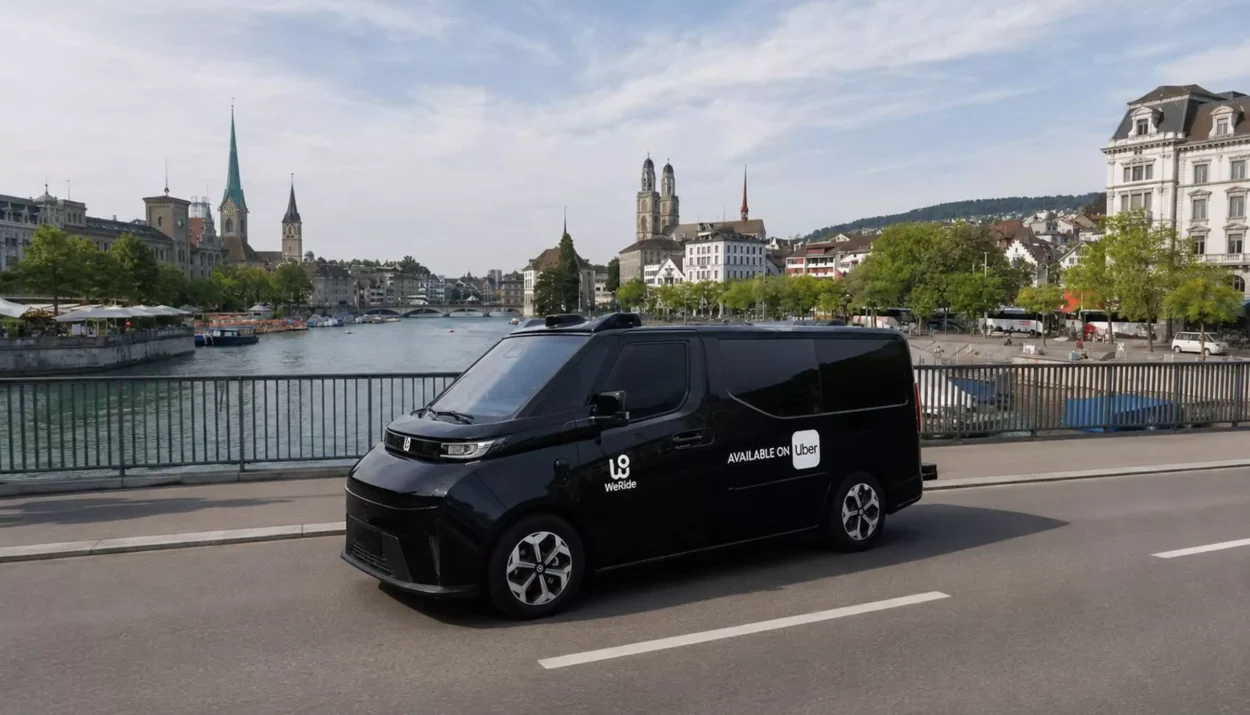
The company is also expanding autonomous services through other partners, including WeRide, Nuro, Lucid, Rivian, Wayve and others.
The main question is whether robotaxis eventually replace Uber or strengthen its platform.
There are already signs of real competition. Waymo has captured roughly 15% to 16% of gross ride-hailing bookings across San Francisco, Los Angeles and Phoenix, according to Yipit data.
But a fully autonomous ride-hailing market is unlikely to appear overnight. Building robotaxi fleets requires large amounts of capital, vehicles, charging infrastructure, maintenance and regulatory approval. That could leave room for a hybrid system where human drivers and autonomous vehicles operate on the same platforms for years.
Uber is betting heavily on that outcome. Its latest robotaxi investments will include stakes in autonomous-driving companies as well as financial support for fleets and vehicle commitments.
Meanwhile, the core business remains large. Uber has more than 200 million monthly customers, and analysts expect the company could generate around $13 billion in free cash flow by 2027.
Investor takeaway: The market is treating robotaxis as one of Uber’s biggest long-term risks, but Uber is trying to turn that threat into an advantage. If autonomous vehicle companies need Uber’s customers, app and global network to reach scale, robotaxis could strengthen the platform rather than replace it. The risk is that companies such as Waymo eventually build enough scale to bypass Uber entirely.
Disclosure: This article does not represent investment advice. The content and materials featured on this page are for educational purposes only.