

The gold mining industry is seeing a new wave of acquisitions as record gold prices strengthen the balance sheets of major producers while pressure grows to replace declining reserves.
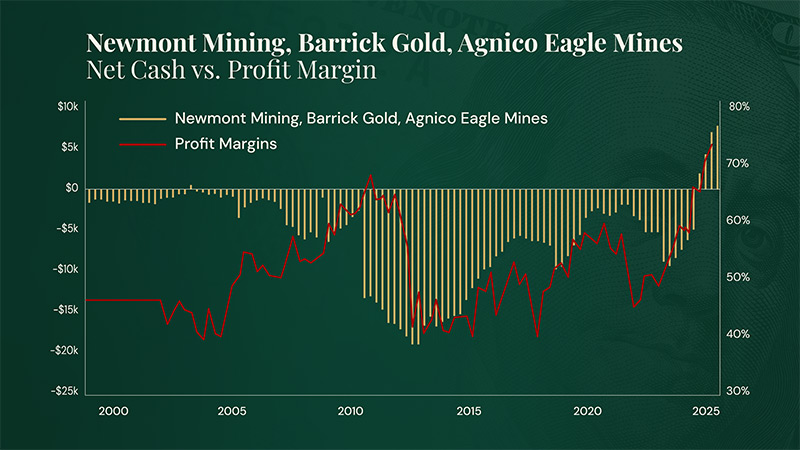
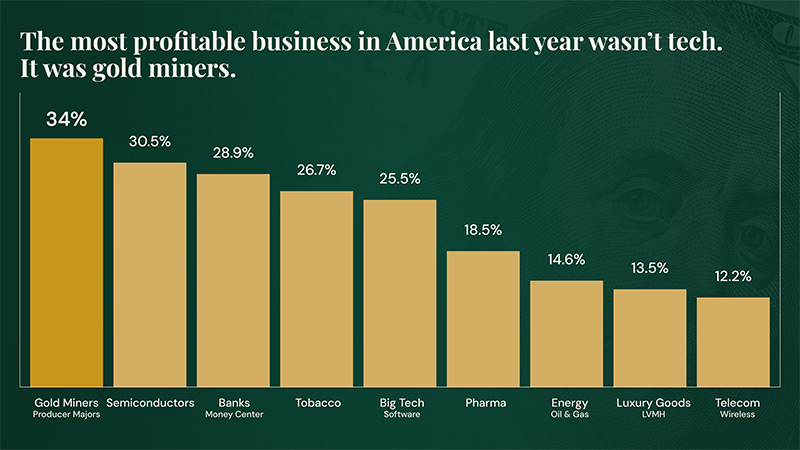
Gold averaged a record $4,873 per ounce in the first quarter of 2026, according to the World Gold Council, up around 70% from a year earlier. For miners, higher prices have translated into stronger margins and cash flows, giving large producers more financial flexibility to acquire smaller rivals and development projects.
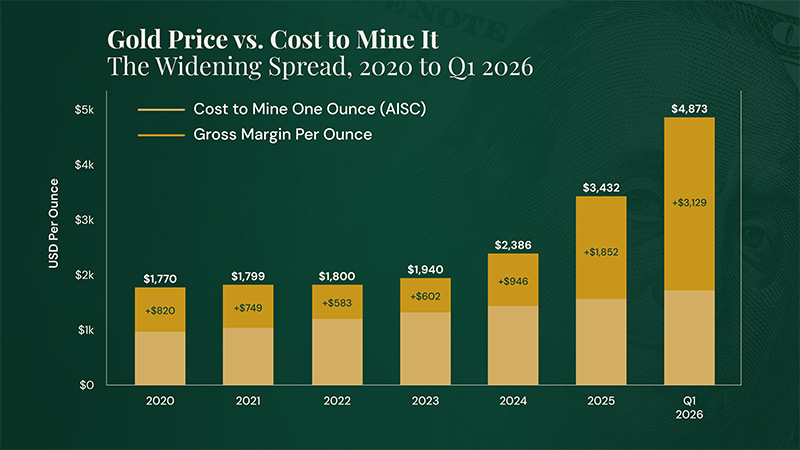
That is important because gold mines are naturally declining assets. Every ounce extracted reduces the remaining reserves, meaning producers must continually discover new deposits, develop projects or acquire other companies to maintain future production.
Recent deals suggest acquisitions are becoming an increasingly important part of that strategy.
In April, G Mining Ventures agreed to acquire G2 Goldfields, combining two neighboring projects in Guyana. The companies said the combination could create a mining operation capable of producing more than 500,000 ounces of gold annually over its mine life, with more than C$1 billion in potential synergies.
Just days later, Agnico Eagle announced a roughly C$2.9 billion acquisition of Rupert Resources, alongside additional deals designed to consolidate its position in Finland’s Central Lapland Greenstone Belt. Rupert shareholders received a significant premium as part of the transaction.
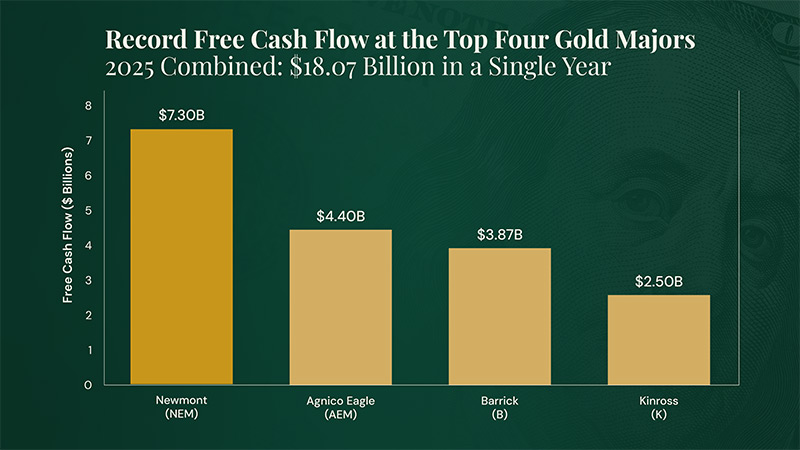
The trend is being supported by unusually strong economics across the industry. Newmont, for example, generated a record $2.2 billion in free cash flow in Q2, while Barrick reported quarterly net income of $1.22 billion, up from $811 million a year earlier.
Central banks are also providing another source of support for gold. They bought an estimated 244 tonnes in Q1, up 17% from the previous quarter and above the five-year average. The World Gold Council expects official-sector demand to remain meaningful as geopolitical uncertainty and reserve diversification continue.
Why Junior Gold Miners Are Getting Attention
Smaller miners and developers can offer large producers something increasingly valuable: deposits that have already been discovered and, in some cases, partially developed.
Buying those companies can sometimes be faster and less risky than spending years exploring for new deposits from scratch. That makes high-quality junior miners potential takeover targets when major producers have plenty of cash but need to secure future production.
However, that does not mean every junior miner is likely to be acquired. Smaller mining companies can carry substantial risks, including project delays, financing needs, rising construction costs, permitting problems and dependence on gold prices.
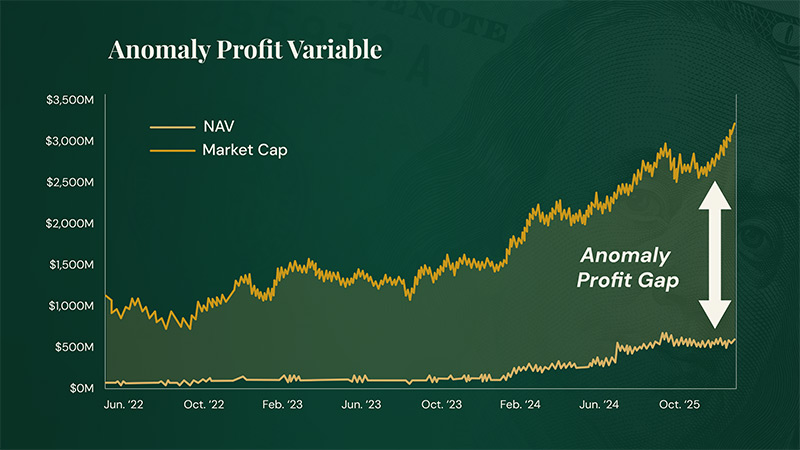
Gold itself has also been volatile. After reaching record levels earlier this year, prices experienced a significant correction before recovering, showing that strong long-term fundamentals do not guarantee a smooth rise.
Investor takeaway: There is genuine evidence that conditions are becoming more favorable for gold mining M&A. High gold prices have strengthened major miners’ finances at the same time that many need new reserves and projects. That could make attractive junior miners increasingly valuable, but identifying actual takeover targets remains highly speculative.
Disclosure: This article does not represent investment advice. The content and materials featured on this page are for educational purposes only.