
Oil prices climbed early on September 29 as traders worried about a prolonged Middle East conflict, before reversing sharply as recovering Saudi exports eased supply concerns.
In the early trading snapshot covered by CNBC, November Brent crude rose 1.22% to $106.56 a barrel, while US West Texas Intermediate gained more than 1% to $93.57. Those were intraday prices, rather than closing levels.
Saudi supply changes the picture
The market later turned lower as Saudi Arabia resumed crude loadings at its Red Sea port of Yanbu following the restarOil Swings as Iran War Fears Clash With Recovering Supply
t of its East-West pipeline.
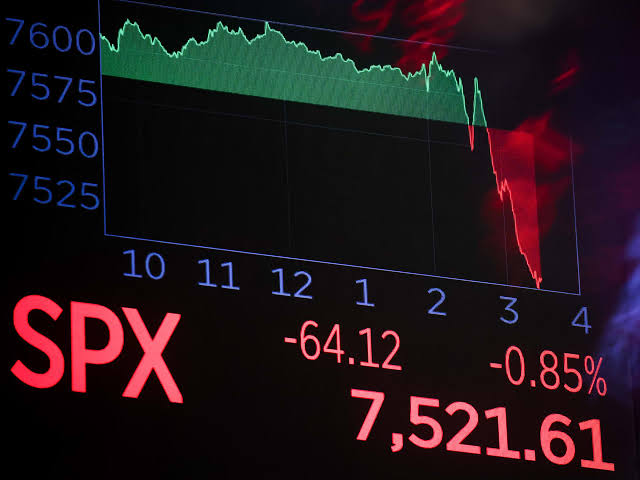
That route allows oil to bypass the Strait of Hormuz, helping ease some of the pressure caused by disrupted shipping. Both benchmarks finished Tuesday down more than 2%, reversing their earlier gains.
Related: Iran’s Plan to Create an Exclusion Zone Near the Strait of Hormuz.
Peace talks remain a source of uncertainty
Indirect US-Iran talks through mediators offered some hope of de-escalation, but continued threats to regional energy infrastructure kept traders cautious.
The reversal shows why oil remains volatile: fears of further disruption can lift prices quickly, while evidence of improving supplies can pull them back down.
For households and businesses, a lasting improvement depends on reliable deliveries and lower fuel costs, beyond a single day’s market move.
Related: Rising Fuel Costs Reshape Politics as Voters Demand Relief.