
Oil prices dropped sharply on Monday after signs of easing tensions between the United States and Iran raised hopes that disruptions to global energy supplies could begin to ease.
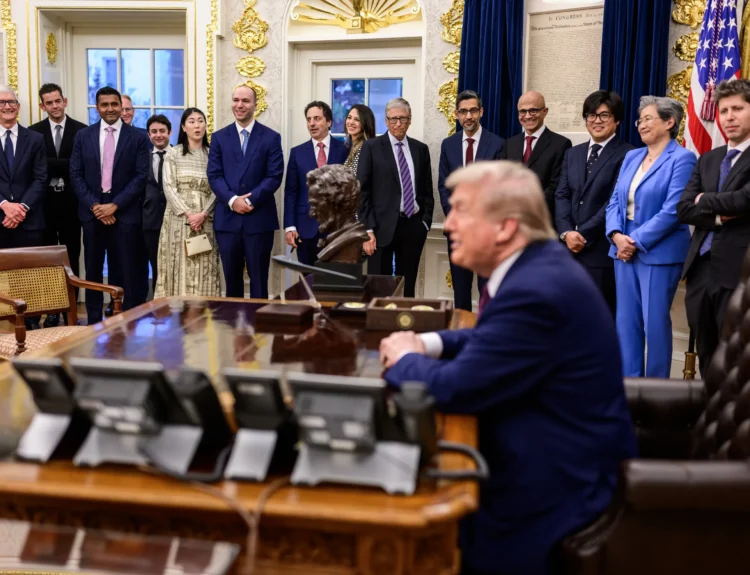
Brent crude fell more than 5% to around $83 a barrel, while West Texas Intermediate (WTI) dropped more than 6% to about $79, after President Donald Trump said he had halted a planned military assault on Iran and that talks between the two countries would begin on Monday.
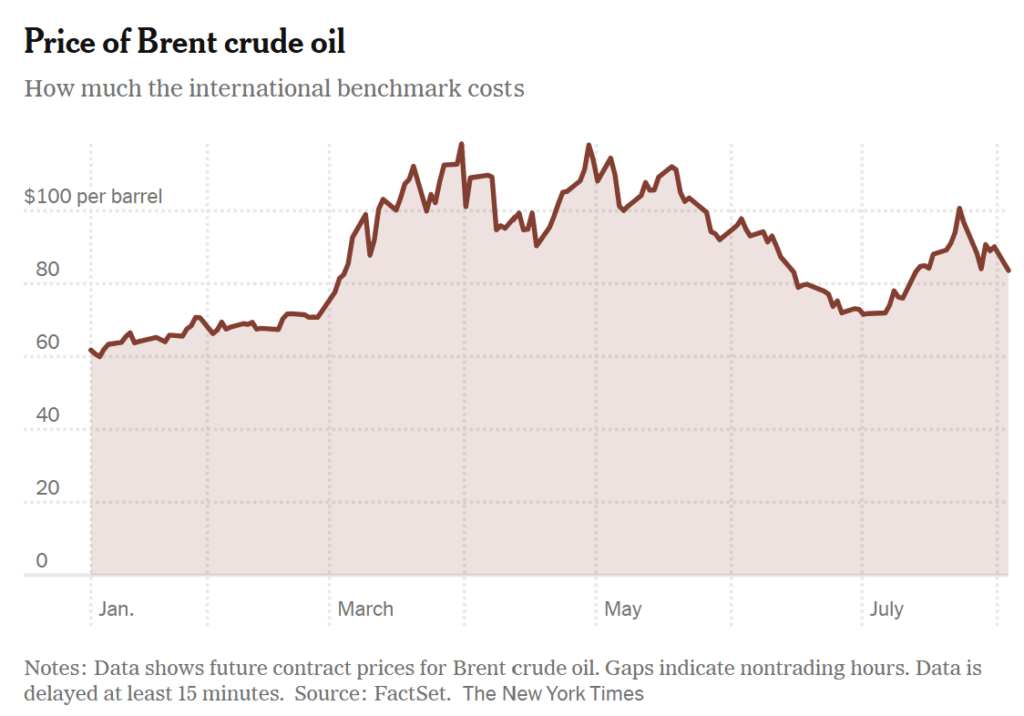
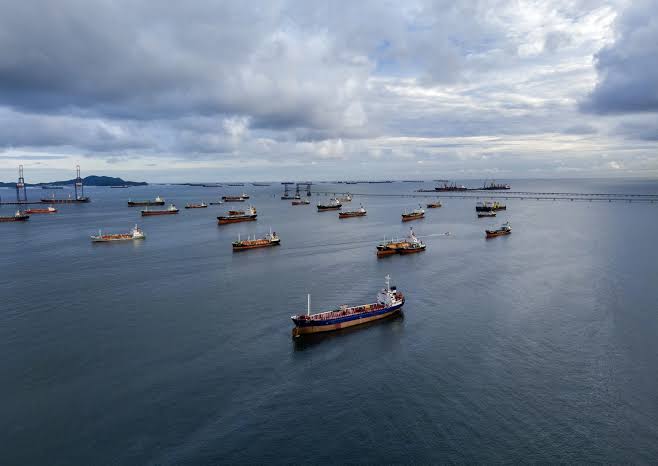
Adding to the optimism, Iran said it was meeting with Oman to discuss temporarily reopening the Strait of Hormuz, a critical shipping route that normally carries around 20% of the world’s oil supply.
Shipping traffic through the strait remains well below normal. According to Kpler, only 20 vessels passed through over the weekend, compared with roughly 130 ships per day before the conflict began.
Meanwhile, OPEC+ agreed on Sunday to increase oil production by around 188,000 barrels per day, saying the move was intended to support market stability.
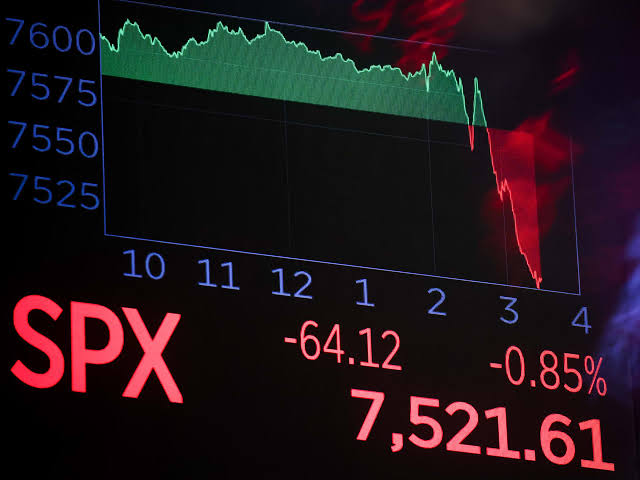
The easing in oil prices also lifted broader markets. The S&P 500 rose 0.4% in early trading, while Europe’s Stoxx 600 gained 0.2%. However, Asian markets were mixed as technology stocks remained under pressure.
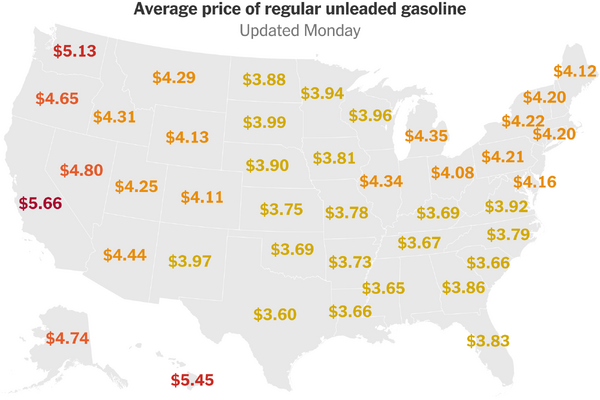
Despite the drop in crude prices, US drivers have yet to see relief at the pump. Average gasoline prices held at $4.10 per gallon, up more than 37% since the conflict began, while diesel prices remained at $5.36 per gallon, more than 42% higher.
Investor takeaway: Markets welcomed signs of renewed diplomacy, but analysts caution that the situation remains fragile. Any setback in US-Iran talks or further disruption in the Strait of Hormuz could quickly send oil prices higher again.
Disclosure: This article does not represent investment advice. The content and materials featured on this page are for educational purposes only.