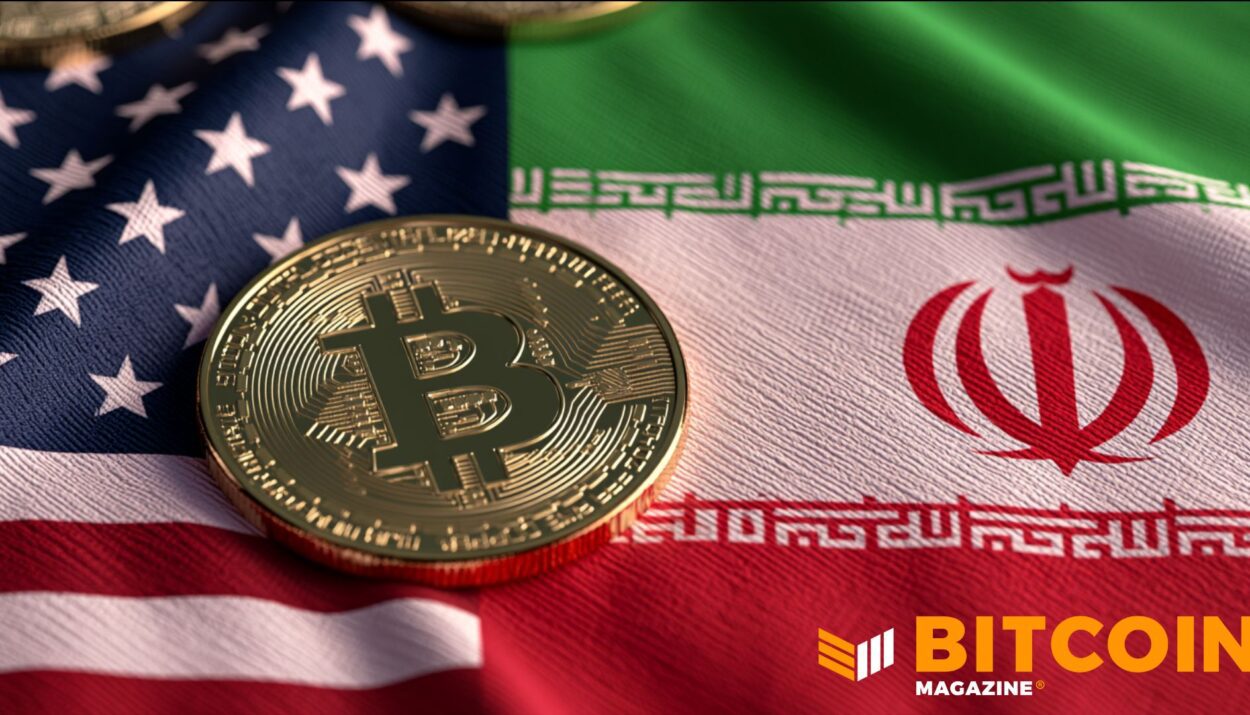

Iran is increasingly using Bitcoin and other cryptocurrencies to keep money moving across borders as US sanctions and the naval blockade put growing pressure on its economy.
Bitcoin Helps Iran Move Money
Businesses and regime insiders told the Financial Times that Iran’s central bank has quietly encouraged traders to find ways to keep international payments flowing.
Crypto has become one of those tools. Iranian businesses are reportedly using local exchanges and Bitcoin to settle cross-border transactions when traditional banking channels are unavailable.
The pressure has intensified sharply. Sanctions expanded in late 2025, while the war with the US and Israel began in February 2026. A US naval blockade has since cut Iranian oil exports by more than 80%.
Bitcoin Is Harder to Block
The US has already targeted Iran’s crypto activity.
In July, Washington froze crypto linked to the Iranian regime, much of it held in Tether’s USDT stablecoin. Unlike Bitcoin, stablecoins can be frozen by the company that issues them.
Bitcoin has no central issuer, making it much harder for governments to stop transactions directly.
The US Treasury has also accused Iran of accepting Bitcoin and other digital assets from ships passing through the Strait of Hormuz through a government-linked system called Hormuz Safe.
Iran has even introduced a Bitcoin-backed insurance service for shipping companies, showing how crypto is becoming part of the country’s wider response to financial isolation.
Crypto Becomes an Economic Lifeline
The use of Bitcoin does not solve Iran’s broader economic problems. The country continues to face high inflation, collapsing oil exports and limited access to foreign currency.
But crypto gives businesses another way to move money outside the US-controlled financial system, making it harder for sanctions alone to completely isolate the economy.
Related: Why Trump’s War Hasn’t Broken Iran’s Economy
Who does Iran trade with, and what could Trump’s ‘economic D-Day’ mean?