

European natural gas prices have climbed to their highest level in three years, as disruptions to Qatari LNG exports force Europe and Asia to compete for limited supplies.
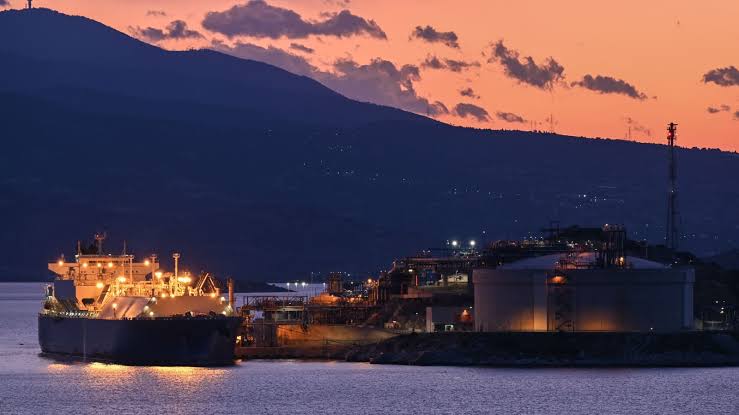
Before the war, Qatar supplied roughly one-fifth of global LNG, but its exports remain near extremely low levels. That has increased demand for US LNG, with American cargoes increasingly heading toward whichever market is willing to pay the highest price.
Until recently, Asia was winning that competition. As a result, European gas storage has fallen to its lowest level for this time of year since 2011. But European prices have now risen enough that more US LNG tankers are heading to Europe than Asia.
The pressure could become much stronger this winter. Goldman Sachs estimates European gas prices may need to rise another 40% from current levels to keep attracting enough LNG, putting them at more than double prewar forecasts.
Europe Is Better Prepared This Time
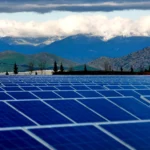
The situation is painful, but Europe is less vulnerable than during the energy crisis following Russia’s 2022 invasion of Ukraine. Greater use of renewables and improvements in energy efficiency mean the EU now consumes significantly less natural gas for each unit of GDP.
For US LNG exporters, high European prices are good for business in the short term. But there is a longer-term risk. TotalEnergies CEO Patrick Pouyanné warned that emerging economies are beginning to lose confidence in LNG as an affordable and reliable energy source.
Investor takeaway: US LNG producers are benefiting from Europe’s urgent need for gas, but repeated price shocks could eventually push countries toward alternatives. Europe is accelerating renewables, while some Asian economies could return to cheaper coal, potentially limiting the long-term growth story for LNG.
Disclosure: This article does not represent investment advice. The content and materials featured on this page are for educational purposes only.