



The bond market is changing quickly, and investors may need a new strategy. According to Barron’s, persistent inflation, rising government debt and heavy corporate borrowing are pushing long-term yields higher and making traditional bond portfolios less reliable.
Long-Term Bonds Are Under Pressure
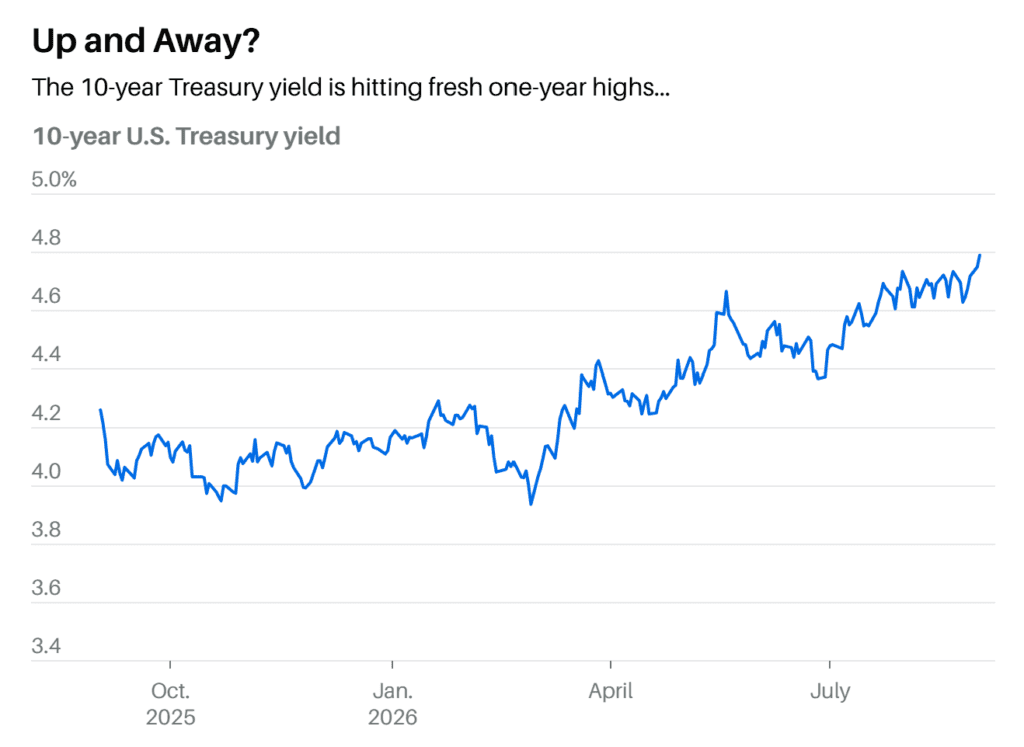
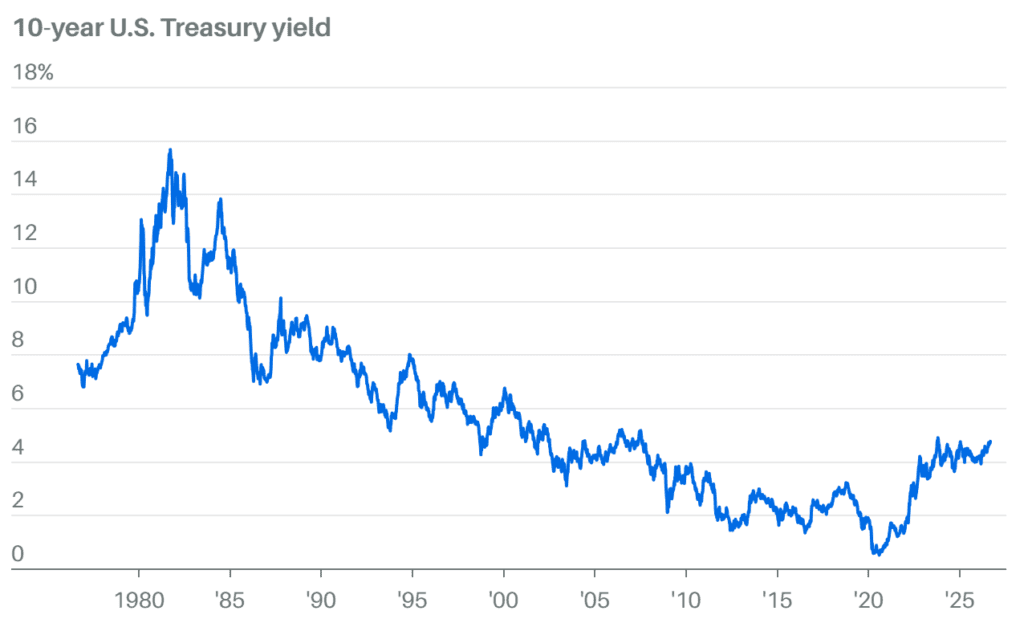
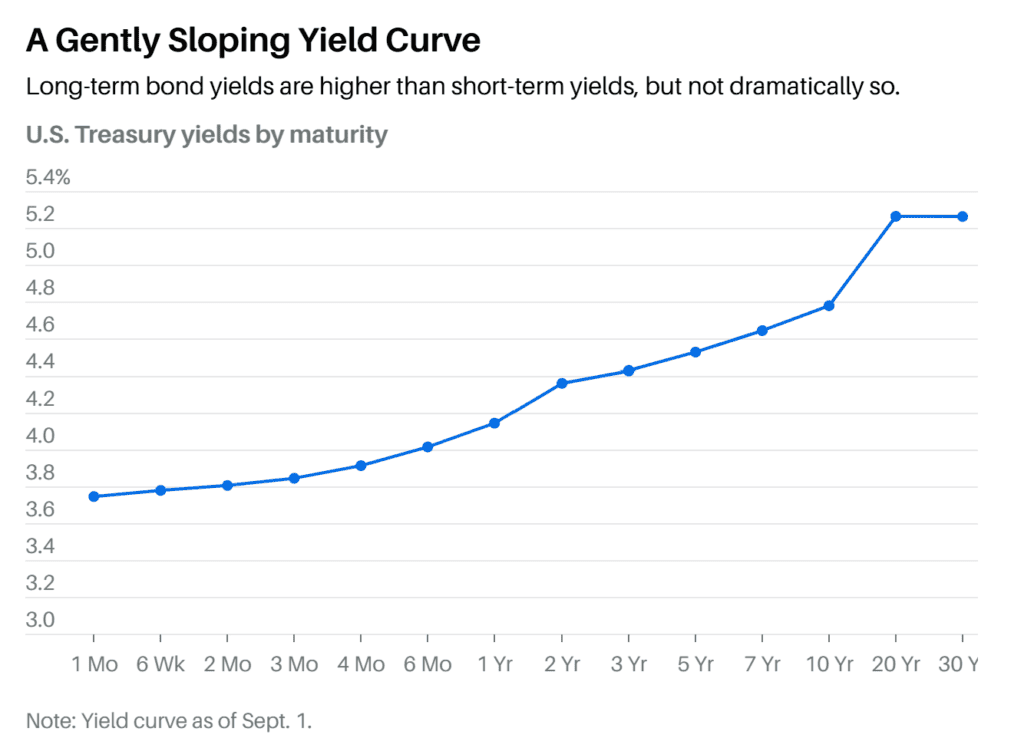
The 10-year Treasury yield recently reached around 4.8%, while the 30-year yield climbed to roughly 5.27%.
When yields rise, existing bond prices fall, which has hurt popular long-duration bond investments. Funds such as TLT and the broader AGG bond ETF have struggled as interest rates stayed higher for longer.
Several forces are driving yields higher, including:
- persistent inflation
- growing US government debt
- heavy Treasury issuance
- record corporate borrowing, including from technology companies funding AI infrastructure
Investors Are Moving Shorter
Instead of abandoning bonds completely, many portfolio managers are shifting toward shorter-term bonds, which are less sensitive to rising rates.
Some also prefer shorter-maturity corporate debt, international bonds and private credit rather than relying heavily on long-term US Treasuries.
The traditional 60/40 portfolio, built around 60% stocks and 40% bonds, is also being questioned because stocks and bonds have increasingly fallen together during periods of inflation and rising yields.
Bonds Still Have a Role
Despite the pressure, Barron’s notes that bonds can still provide income and portfolio protection.
If inflation eventually falls, or if AI investment improves productivity enough to lower price pressures, interest rates could come down and longer-term bonds could recover.
Investor takeaway: Investors do not necessarily need to abandon bonds, but the old strategy of simply buying long-term Treasuries may be less effective. Shorter maturities, diversification and more selective bond exposure could offer better protection while yields remain high.
Related: Why Investors Are Worried About Japan’s Bond Market
Disclosure: This article does not represent investment advice. The content and materials featured on this page are for educational purposes only.