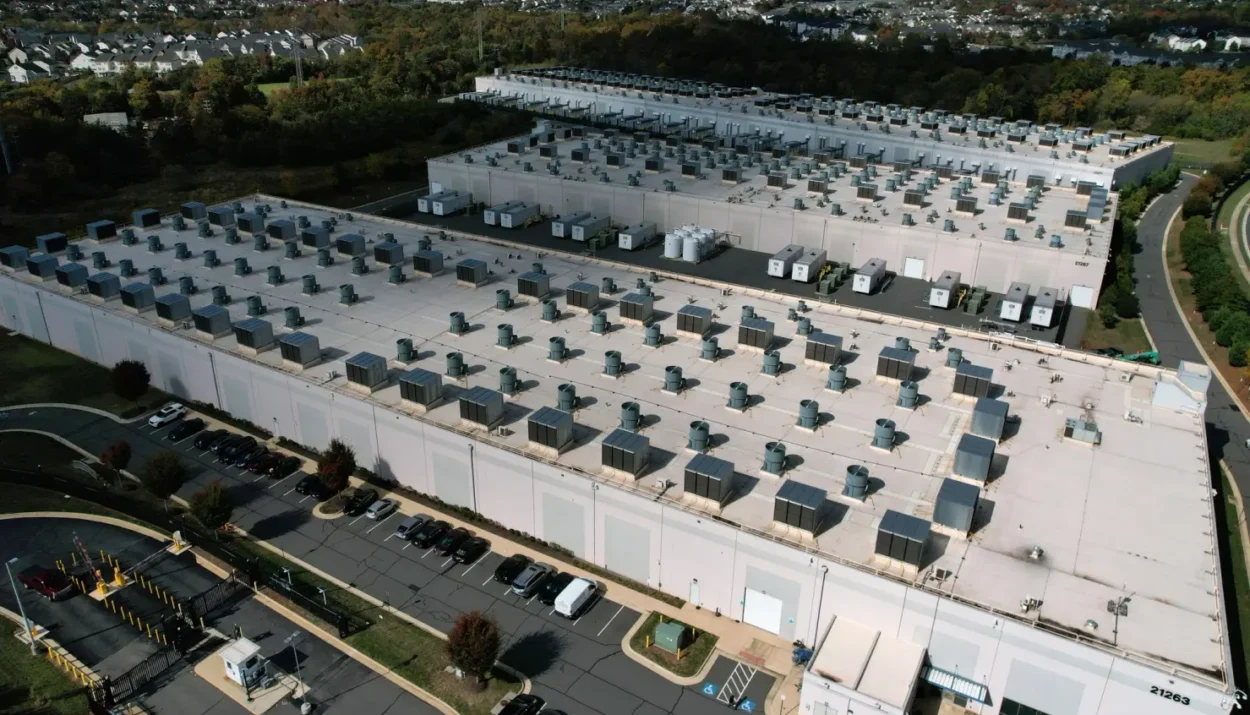

The AI infrastructure boom is creating enormous demand for electricity, but some AI investors are becoming cautious about directly financing the huge new power plants being built for data centers.
The concern is simple: if future AI electricity demand falls short of today’s ambitious forecasts, investors could be left with expensive power plants that are no longer needed. Semafor points to the early 2000s, when investors lost heavily after building power capacity for demand that ultimately failed to materialize.
Instead, some private equity firms are turning toward regulated utilities, where returns are usually lower but much more predictable. In states such as Louisiana and Florida, utilities operate as regulated monopolies and electricity prices are determined through a formal regulatory process.
The AI boom is creating an unusual opportunity to buy these assets. Utilities including Duke Energy and AEP need billions of dollars to fund new infrastructure, pushing some companies to sell non-core regulated businesses to raise cash. Bernhard Capital Partners says it has already completed six regulated gas and power utility acquisitions in two years.
Money is flowing quickly into the sector. Global private equity investment in utilities exceeded $69 billion in 2025, up 50% from the previous year. Much of the new AI power infrastructure is expected to rely on natural gas, bringing additional regulatory and environmental scrutiny.
Investor takeaway: Instead of betting directly on which AI company or data center wins, investors are increasingly looking at the utilities supplying the electricity. The returns may be less spectacular, but regulated power businesses could offer a more predictable way to benefit from AI’s growing energy demand.
Disclosure: This article does not represent investment advice. The content and materials featured on this page are for educational purposes only.