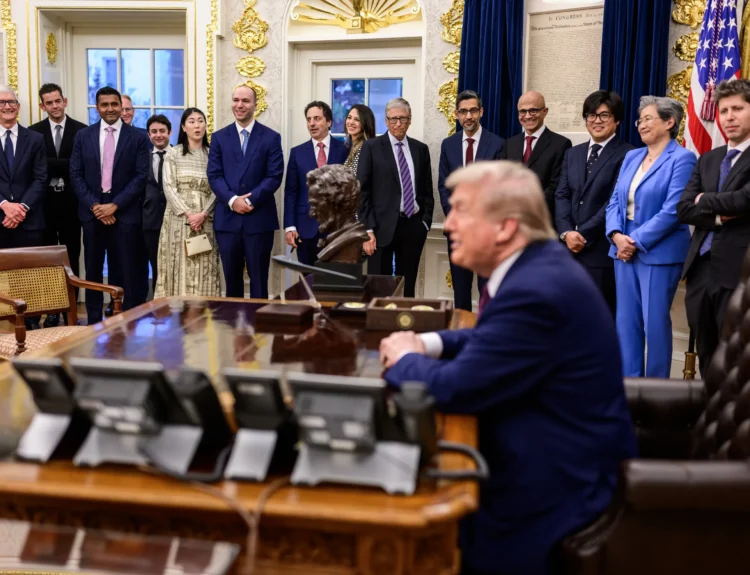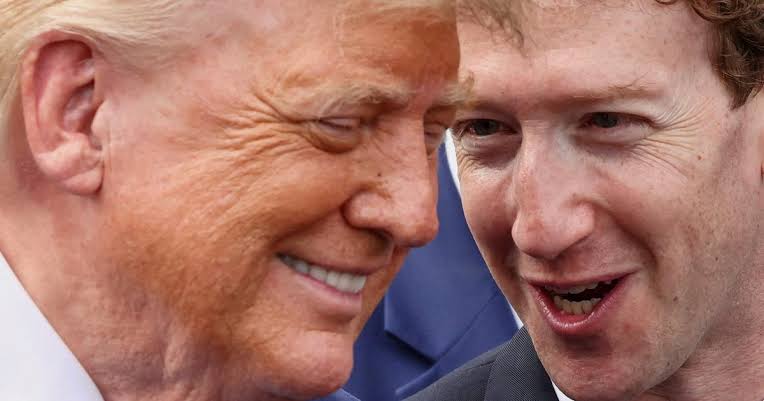

Meta CEO Mark Zuckerberg helped turn a dinner conversation about AI regulation into the industry accord unveiled by President Donald Trump on September 29.
The initiative began when Zuckerberg discussed regulatory concerns with House Speaker Mike Johnson at the state dinner for Chinese President Xi Jinping, Semafor reported, citing people familiar with the discussions.
Zuckerberg subsequently consulted Nvidia CEO Jensen Huang and circulated a draft before the White House meeting. Huang helped build support among the executives attending.
Companies help shape the safety framework
The resulting White House Accord on Super Intelligence was signed by Meta, Nvidia, OpenAI, Anthropic, Google and xAI.
It sets out commitments to internal safety controls and external audits. However, the document runs to just over 300 words and provides limited detail about implementation. It also leaves room for future federal regulation.
Zuckerberg described the agreement as a beginning: “The idea isn’t that this is the only thing that we will ever do.”
Meta declined to comment for Semafor’s report, while the White House did not respond to its request.
What matters for investors
The business significance is the industry’s involvement in shaping the standards it will operate under. Implementation could affect development costs, product launches and companies’ exposure to safety failures.
An industry pledge alone does not establish how effectively those risks will be managed. Investors still need clarity on audit standards, accountability and any subsequent legislation.
Related: Meta Wants to Do Your Shopping. Amazon Has Other Plans..
The pact gives AI companies a prominent role in shaping oversight, but its practical value will depend on how the commitments are enforced.
Disclosure: This article does not represent investment advice. The content is for informational and educational purposes only.