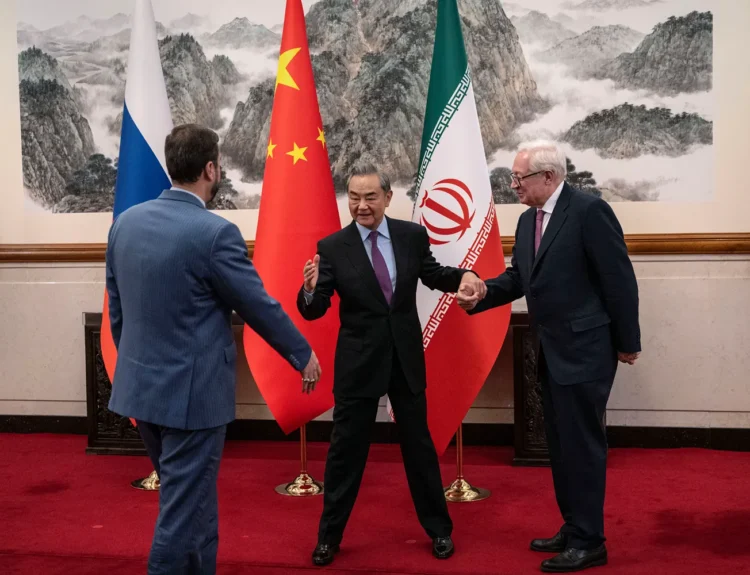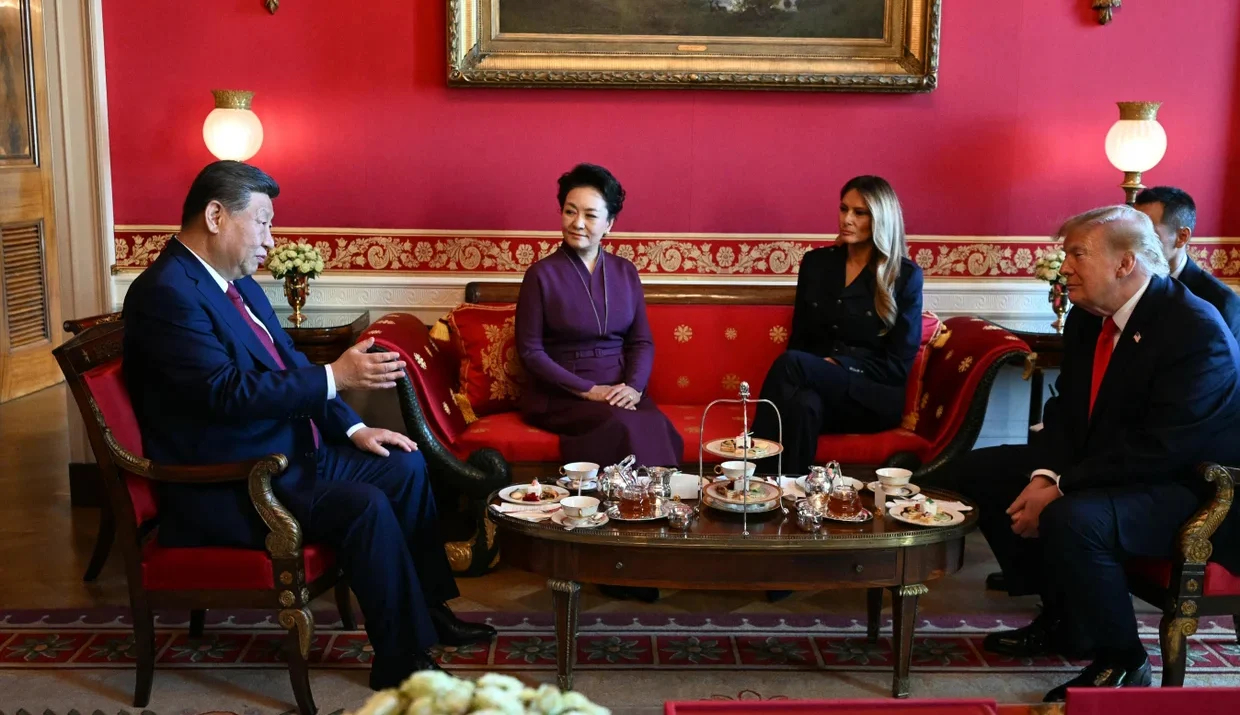

Xi Jinping left Washington on September 25 after a three-day visit that kept US-China diplomacy moving but left major disagreements over Taiwan, Iran and artificial intelligence unresolved.
The visit delivered a longer trade truce and promises of further talks. However, neither government announced a comprehensive agreement settling their biggest disputes.
Trade Truce Offers Breathing Room
Washington and Beijing agreed to extend their trade truce until January 10, giving negotiators more time to pursue a broader deal.
US Trade Representative Jamieson Greer said further details were expected on Monday, September 28, including arrangements covering goods the two sides want to shield from future trade disputes, Reuters reported.
For businesses, the extension reduces immediate uncertainty. Lasting confidence will depend on the terms that follow and whether both governments maintain them.
Related: US and China Talk Trade and AI Ahead of Xi Visit, With Taiwan in Background.
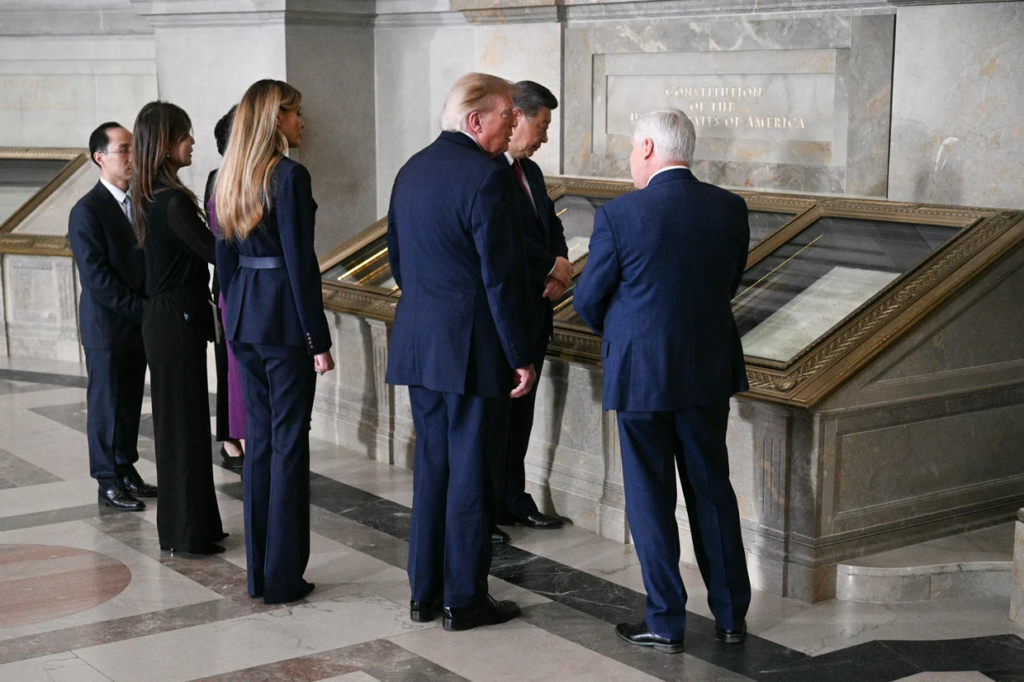
Taiwan and Iran Remain Unresolved
Xi raised Taiwan during the talks, pressing an issue that remains central to Beijing’s relationship with Washington.
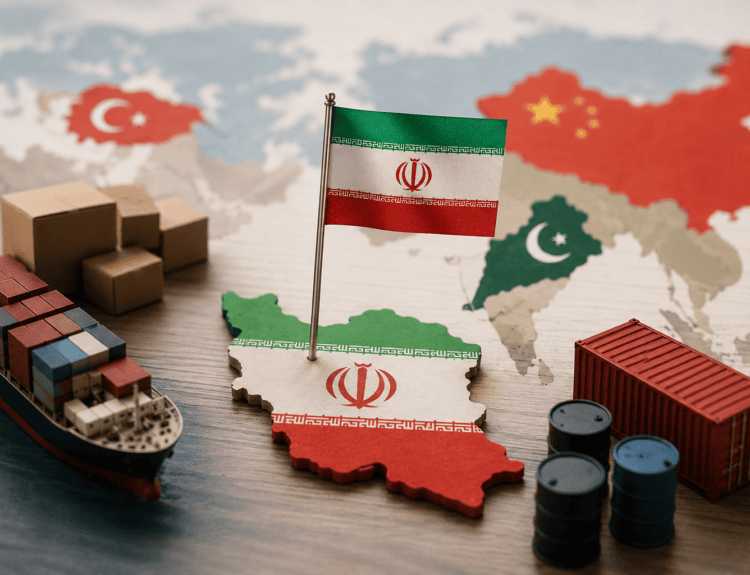
Trump, meanwhile, urged China to stop supporting Iran’s war effort. US Ambassador to China David Perdue said Washington received assurances from Beijing, which has denied US allegations that it is assisting Tehran in the conflict.
The leaders did not announce a broader settlement on either issue, according to Reuters’ summit coverage.
Related: China Isn’t Scared of Trump’s Squeeze on Iran.
AI Dialogue Continues Without a Major Deal
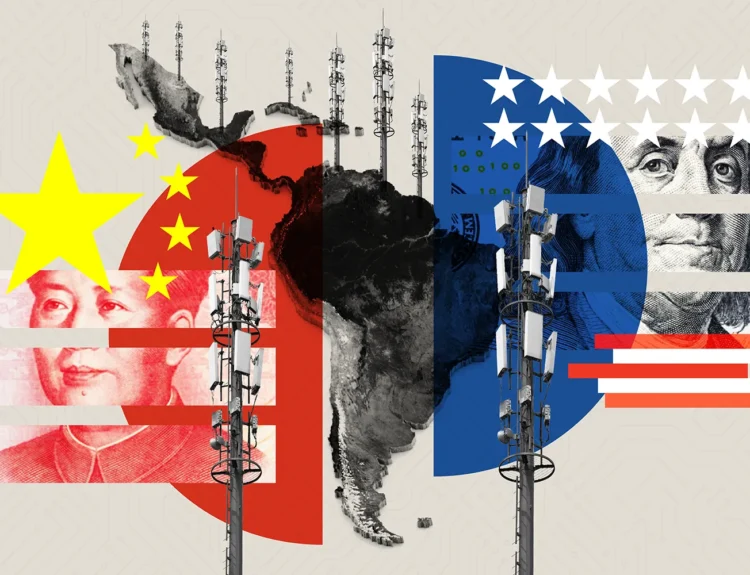
Officials established a channel for discussing AI risks, but Greer acknowledged that the summit had not produced a specific new breakthrough.
“Most important thing is having a channel.”
Another AI meeting was expected within roughly a month, although its agenda remained unsettled, CBS News reported.
Communication could help manage an emergency, but shared rules and enforceable commitments remain a harder task.
More Meetings Ahead
Xi said he expected to see Trump at the APEC summit in China and the G20 summit in the US later this year. He also invited Trump to return to China in the spring.
The Washington visit bought more time for negotiations. Whether it delivers lasting progress will depend on concrete trade commitments and changes in policy after the ceremonies end.