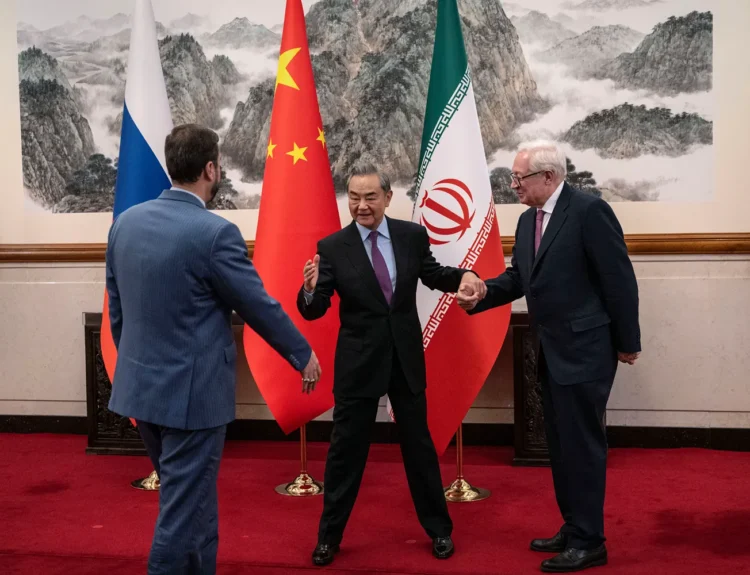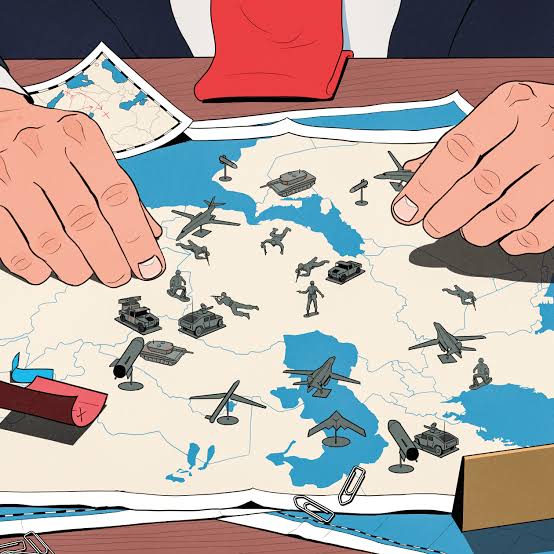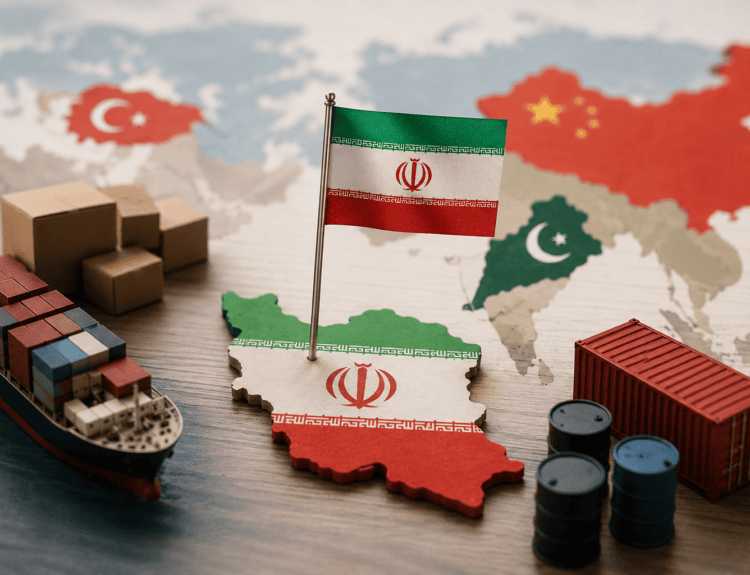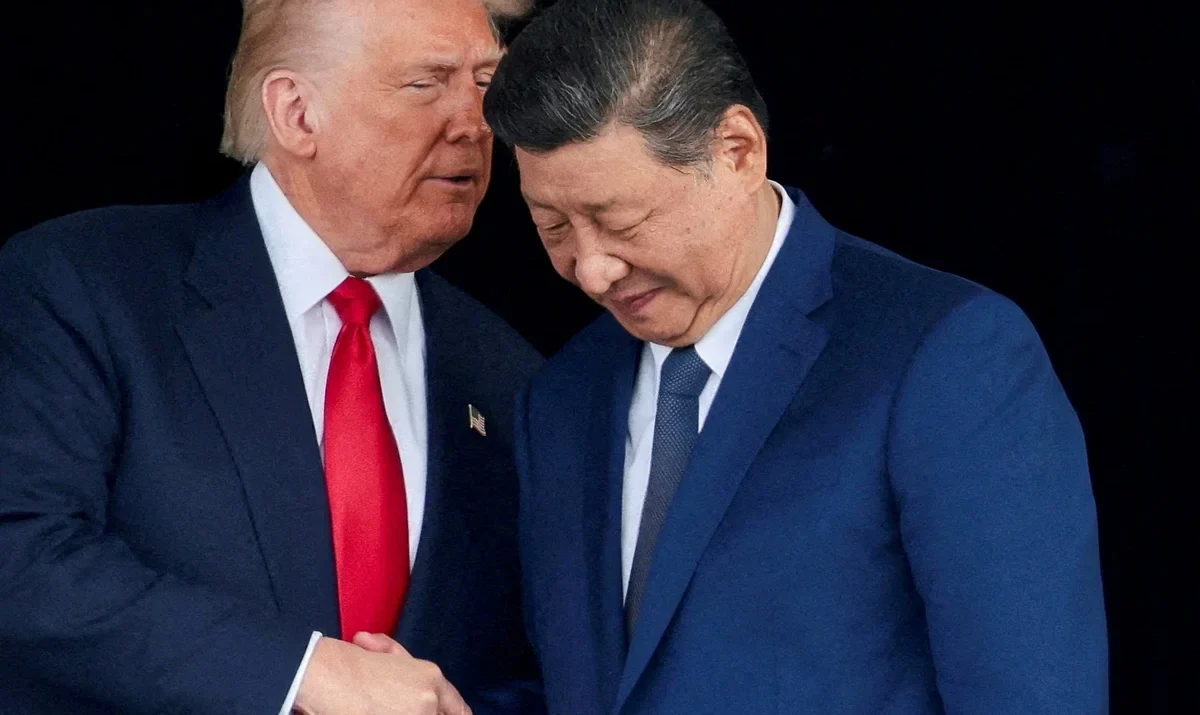

Artificial intelligence, trade, Iran and Taiwan are testing whether Donald Trump and Xi Jinping can turn diplomatic warmth into practical agreements at their September 24 meeting in Washington.
The leaders are meeting just four months after Trump’s visit to Beijing. A trade-truce extension has already bought negotiators more time, but deeper disagreements remain.
1. Will They Agree to an AI Emergency Hotline?
One potential breakthrough is a US-China notification system for AI incidents that threaten national security.
Treasury Secretary Scott Bessent proposed the mechanism after talks with Chinese Vice Premier He Lifeng. The idea is to give both governments a direct way to communicate when an AI-related emergency crosses borders, Axios reported.
Trump has resisted broader restrictions on AI development. A communication channel could therefore be a more achievable step than an agreement to slow the technology’s progress.
Related: Trump Rejects AI Slowdown Calls, Citing Competition With China
2. Can a Trade Truce Become a Bigger Deal?
Washington and Beijing have extended their Busan trade agreement until January 10, 2027, moving the deadline back from November 10.
The arrangement offers temporary stability around tariffs, critical minerals and agricultural purchases. A lasting settlement would give businesses greater confidence about costs and supplies.
But Bessent has been cautious about the chances of a broader breakthrough:
“I don’t know whether a bigger deal can be done. I don’t know whether we will just roll the current deal.”
The extension leaves both possibilities open, according to Reuters.
3. Will China Help Break the Iran Deadlock?
Trump wants other countries to cut economic ties with Tehran. China’s commercial relationship with Iran makes Beijing an important part of that pressure campaign.
The question is whether Xi will offer meaningful cooperation, or resist demands that would disrupt China’s energy interests and regional relationships.
Related: China Isn’t Scared of Trump’s Squeeze on Iran
4. What Happens to Taiwan’s $14 Billion Arms Package?
A delayed $14 billion weapons package for Taiwan is another major test.
Beijing opposes American arms sales to the self-governing island, while US lawmakers have pressed the administration to release the stalled support. The delay is already affecting defence suppliers’ business, according to Reuters’ reporting on Anduril.
Any decision could reveal how Trump balances negotiations with Beijing against support for Taiwan.
5. Could the Summit Secure Prisoner Releases?
Families of Americans detained in China are hoping the meeting produces progress on individual cases, as described in The Hill’s reporting.
The situation of Hong Kong pro-democracy publisher Jimmy Lai is another closely watched issue. Whether Xi will make concessions remains uncertain.
The summit’s value will depend on concrete results: clearer trade commitments, workable AI safeguards, decisions on Taiwan and progress for detainees. A warmer relationship matters most when it changes what happens after the leaders leave the room.