
TL;DR:
- The most effective budgeting method is the one you will consistently maintain, tailored to your income and habits.
- Simple approaches like the 50/30/20 rule or pay-yourself-first often solve most personal finance challenges without complex tools, promoting sustainability.
The best budgeting techniques are practical, repeatable methods that help you control spending, build savings, and reach your financial goals without requiring a finance degree. Personal finance experts consistently recommend four core approaches: the 50/30/20 rule, zero-based budgeting, the envelope method, and pay-yourself-first. Each works differently, suits different personalities, and demands different levels of daily effort. Tools like YNAB, EveryDollar, and automated bank transfers make every method easier to maintain. The right technique is not the most sophisticated one. It is the one you will actually stick with.
1. The 50/30/20 rule: the best starting point for most people
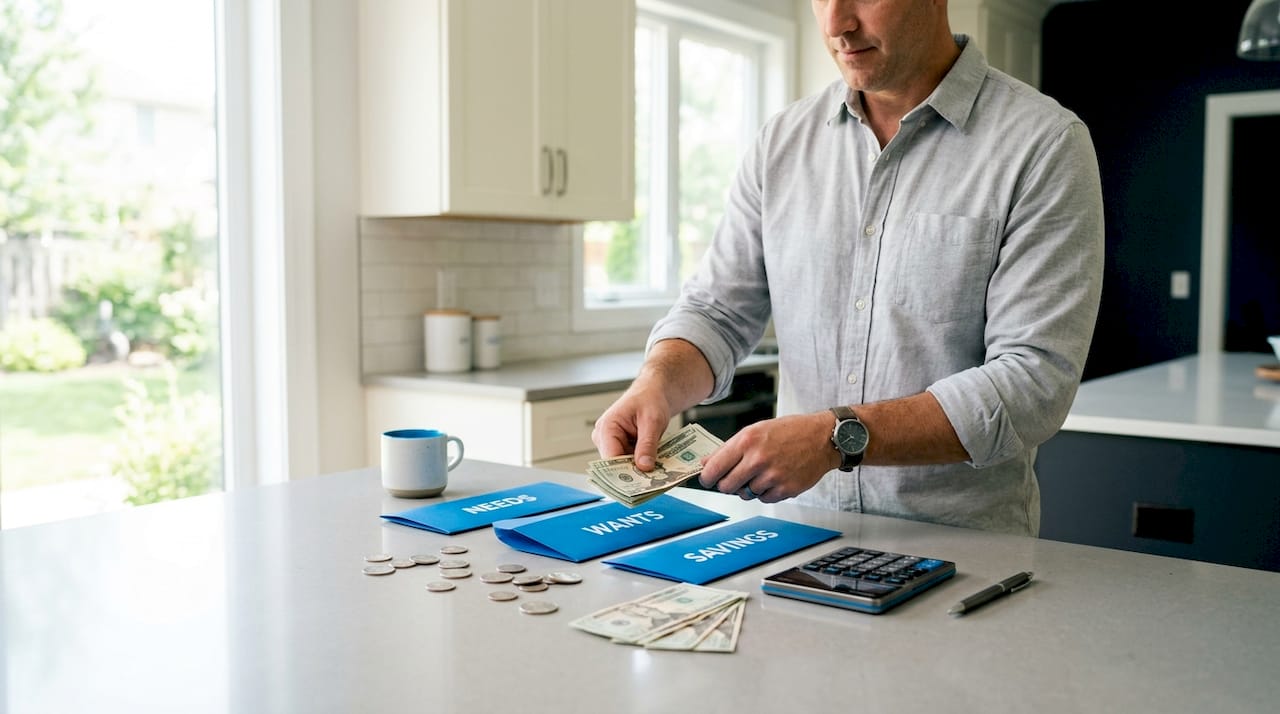
The 50/30/20 rule is the most widely recommended budgeting method for beginners because it requires no spreadsheets and no daily tracking. It divides your after-tax income into three categories: 50% for needs, 30% for wants, and 20% for savings and debt repayment. On a $3,000 monthly income, that means $1,500 for rent, groceries, and utilities; $900 for dining out, subscriptions, and entertainment; and $600 directed toward savings or credit card debt. That split gives you a clear picture of where your money goes without obsessing over every transaction.
Needs typically include:
- Rent or mortgage payments
- Groceries and household supplies
- Utilities, insurance, and minimum debt payments
- Transportation costs
Wants cover discretionary spending like streaming services, gym memberships, restaurants, and travel. The 20% savings slice should go toward an emergency fund first, then retirement accounts like a 401(k) or Roth IRA, and finally any extra debt payments above the minimum.
The 50/30/20 rule is flexible by design. Citi notes that category percentages should be revisited whenever your income changes or a major expense appears, such as a new car payment or a rent increase. If you live in a high-cost city like San Francisco or New York, your needs may consume 60% or more of your income, which is fine. Adjust the want and savings percentages accordingly rather than abandoning the method entirely.
Pro Tip: Set up a separate savings account and automate the 20% transfer on payday. Treating savings like a fixed bill removes the temptation to spend it first.
2. The envelope method: spending discipline you can feel
The envelope method is a cash-based budgeting technique that assigns a fixed dollar amount to each spending category at the start of the month. You place that cash in a labeled envelope, and once an envelope is empty, spending in that category stops until the next refill. No borrowing from other envelopes. No exceptions. That hard constraint is exactly what makes it work for people who struggle to stay within digital spending limits.
The behavioral logic is straightforward. Handing over physical cash feels more real than swiping a card, which research in consumer psychology consistently confirms. People spend less when they use cash because the transaction registers as a genuine loss rather than an abstract number on a screen.
Common envelope categories include:
- Groceries
- Dining out and coffee
- Gas and transportation
- Personal care and clothing
- Entertainment
The most common mistake with this method is setting envelope amounts that are too low. Accurate initial amounts based on historical spending are critical. If you typically spend $400 on groceries but stuff only $250 in the envelope, you will run out by the third week and lose confidence in the system. Pull three months of bank statements before you set your first envelope amounts.
For cashless payments, apps like Goodbudget and Mvelopes replicate the envelope system digitally. You assign virtual dollars to categories and track spending against those limits in real time. This makes the method practical for people who rarely carry cash but still want the discipline of hard spending caps.
Pro Tip: Review your envelope amounts after the first two months and adjust any category that ran out consistently. The goal is calibration, not punishment.
3. Zero-based budgeting: maximum control for detail-oriented savers
Zero-based budgeting is defined as a method where your income minus all assigned expenses equals exactly zero at the end of each month. Every dollar has a job before the month begins. You are not left with a vague “leftover” amount that quietly disappears into impulse purchases. Apps like YNAB and EveryDollar are built specifically for this method and make the daily tracking manageable.
Here is how to set it up:
- Write down your total monthly after-tax income.
- List every expense you expect: fixed bills, variable spending, debt payments, and savings goals.
- Assign a dollar amount to each category until every dollar is allocated.
- Track actual spending against those assignments throughout the month.
- Adjust categories mid-month if needed, moving dollars from lower-priority buckets to cover overages.
Zero-based budgeting is ideal for people aggressively paying down debt, building a large emergency fund, or trying to understand exactly where their money goes for the first time. It leaves no room for mystery spending. The downside is maintenance. Zero-based budgeting demands frequent expense tracking, typically weekly check-ins, to stay accurate. Without an app or a dedicated tracking habit, the method breaks down quickly. YNAB charges a subscription fee but offers a 34-day free trial, which is enough time to decide whether the level of detail suits your personality.
4. Pay-yourself-first: the simplest path to consistent saving
Pay-yourself-first budgeting is defined as saving a fixed amount immediately when your paycheck arrives, then spending whatever remains. You do not track categories. You do not build a detailed spending plan. You simply automate savings transfers to a separate account before you have a chance to spend the money.
This method works because it removes the decision entirely. Most people fail to save not because they lack discipline but because they try to save what is left after spending. There is rarely anything left. By reversing the order, savings become non-negotiable.
Who benefits most from this approach:
- Investors and retirement savers who want to maximize contributions to a 401(k) or IRA without thinking about it monthly
- Debt repayers who want to automate extra payments above the minimum
- People with irregular spending habits who find category-based budgeting too rigid
- Busy professionals who want a low-maintenance system that still builds wealth
The practical setup takes about 15 minutes. Split your direct deposit so a fixed percentage goes straight to a high-yield savings account or investment account. Fidelity, Vanguard, and most major banks allow direct deposit splitting at no cost. Start with a savings rate you know is achievable, even if it is just 10%, and increase it by 1% every three months. The compounding effect of consistent, automated saving outperforms any elaborate budgeting system you abandon after two months.
Pro Tip: Open a savings account at a different bank than your checking account. The slight friction of transferring money back makes you less likely to dip into savings impulsively.
5. Choosing the right method for your situation
The best budgeting method is the one you will maintain, not the one that looks most impressive on paper. Method choice depends largely on how much tracking you are willing to do and how your income arrives.
| Method | Effort level | Best for | App support |
|---|---|---|---|
| 50/30/20 rule | Low | Beginners, stable income | Mint, Copilot |
| Envelope method | Medium | Overspenders, cash users | Goodbudget, Mvelopes |
| Zero-based budgeting | High | Debt payoff, detail-oriented | YNAB, EveryDollar |
| Pay-yourself-first | Very low | Investors, busy professionals | Any bank with auto-transfer |
Irregular income creates a specific challenge that standard monthly budgeting methods do not address well. Freelancers, contractors, and commission-based workers should budget around their lowest consistent income rather than their average. Cover all fixed expenses from that baseline. In higher-income months, direct the surplus to savings or debt before it gets absorbed into lifestyle spending. This approach prevents the common pattern of overspending during good months and scrambling during slow ones.
Hybrid methods also work well. Many people use the 50/30/20 framework for overall structure and apply envelope-style limits to two or three categories where they historically overspend, such as dining out or online shopping. You do not have to pick one method and follow it rigidly. The goal is a system that reflects how you actually live, not an idealized version of your finances.
Matching app features to your habits improves long-term adherence significantly. Beginners do better with apps that auto-sync bank accounts and categorize spending automatically. Advanced users often prefer apps with custom reports and manual entry options. A detailed comparison of budgeting apps can help you match the right tool to your chosen method before you commit.
Pro Tip: Commit to any method for a full 60 days before judging it. The first month is always calibration. The second month is where the real data appears.
Key takeaways
The most effective budgeting technique is the one that matches your income pattern, spending habits, and tolerance for tracking, applied consistently over time.
| Point | Details |
|---|---|
| 50/30/20 rule | Splits after-tax income into needs, wants, and savings for a simple, flexible starting framework. |
| Envelope method | Hard spending caps per category prevent overspending; accurate initial amounts are critical to success. |
| Zero-based budgeting | Every dollar is assigned a role; requires weekly tracking and works best with YNAB or EveryDollar. |
| Pay-yourself-first | Automate savings before spending to build wealth with minimal ongoing effort. |
| Method fit matters | Low-maintenance systems produce better long-term results than complex ones you abandon. |
Why I think most people pick the wrong budgeting method
After years of writing about personal finance and watching readers try and abandon budgeting systems, I have noticed a consistent pattern. People choose the method that sounds most impressive rather than the one that fits their actual behavior. Zero-based budgeting gets a lot of attention because it feels thorough and serious. But most people who start it quit within six weeks because the weekly tracking requirement collides with real life.
My honest observation is that pay-yourself-first and the 50/30/20 rule solve 80% of personal finance problems for 80% of people. They are not glamorous. They do not require a spreadsheet or a subscription. They just work because they are sustainable.
The other thing I see consistently is that people treat their first budget as a final answer. It is not. Your first budget is a hypothesis. You test it for two months, find out where it breaks down, and adjust. The people who build lasting financial control are not the ones who found the perfect system immediately. They are the ones who kept refining a simple system until it fit their life.
If you are starting out, pick the 50/30/20 rule, automate the 20% savings transfer, and review your spending once a month. That alone will put you ahead of most people. Once that feels natural, layer in envelope limits for your two biggest problem categories. Build complexity only after simplicity is working. A solid personal finance foundation matters far more than the specific method you choose.
— Povilas
Start building your budget with Finblog
Finblog publishes practical, research-backed guides for every stage of your financial life, from choosing your first budgeting method to comparing the tools that make it stick. If you are ready to move from reading about budgeting to actually doing it, the step-by-step budget guide at Finblog walks you through setting up any of the methods covered here in under an hour. For readers who want to go deeper on tools, the financial planning tools comparison breaks down which apps work best for each budgeting style. Finblog updates its resources regularly, so you always have current, relevant guidance as your financial situation evolves.
FAQ
What is the easiest budgeting method for beginners?
The 50/30/20 rule is the simplest starting point because it requires no daily tracking and only three spending categories. Allocate 50% of after-tax income to needs, 30% to wants, and 20% to savings or debt repayment.
How does zero-based budgeting differ from the 50/30/20 rule?
Zero-based budgeting assigns every dollar a specific job so that income minus all allocations equals zero, while the 50/30/20 rule uses broad percentage categories. Zero-based budgeting requires more frequent tracking but gives you greater control over exactly where each dollar goes.
Which budgeting method works best for irregular income?
Budget around your lowest consistent monthly income rather than your average. Cover all fixed expenses from that baseline and direct any surplus in higher-income months toward savings or debt before spending it.
Do I need a budgeting app to make these methods work?
No app is required, but apps significantly improve adherence. Beginners benefit from auto-syncing apps that categorize spending automatically, while zero-based budgeters get the most value from dedicated tools like YNAB or EveryDollar.
How long should I try a budgeting method before switching?
Commit to any method for at least 60 days. The first month is calibration, and the second month produces the data you need to judge whether the system fits your habits and financial goals.