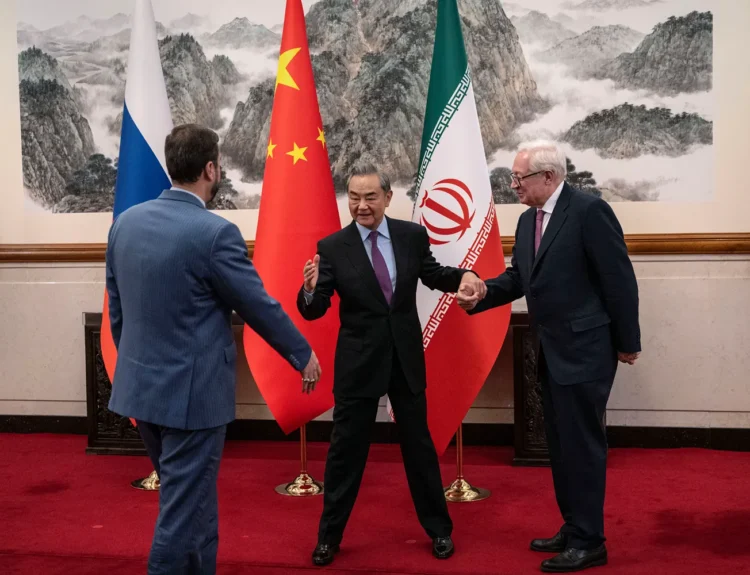
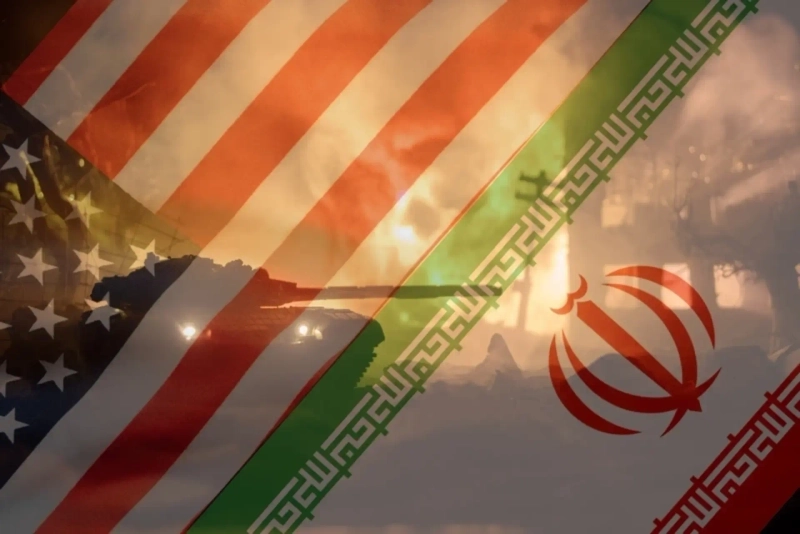

Tensions between the US and Iran moved higher again after Washington reportedly rejected Tehran’s latest peace proposal, putting markets back on alert for another escalation in the Middle East.
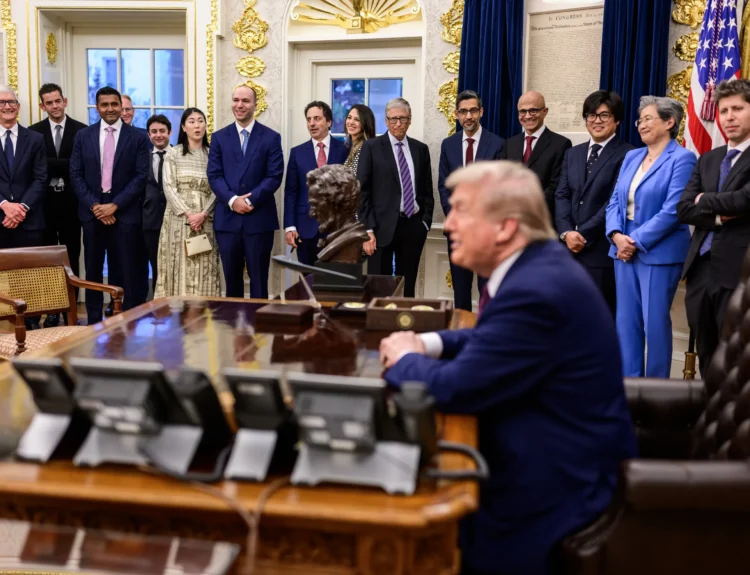
The development comes ahead of a planned White House Situation Room meeting where Donald Trump is expected to discuss possible military response options with national security officials.
The rejection adds pressure to negotiations that have already struggled to make progress on several major issues.
Talks Remain Stuck on Key Disputes
The US and Iran have continued discussions involving:
- Tehran’s nuclear program
- Sanctions relief
- The Strait of Hormuz
- Regional security concerns
However, both sides remain divided, and previous US comments reportedly described Iran’s latest proposal as insufficient.
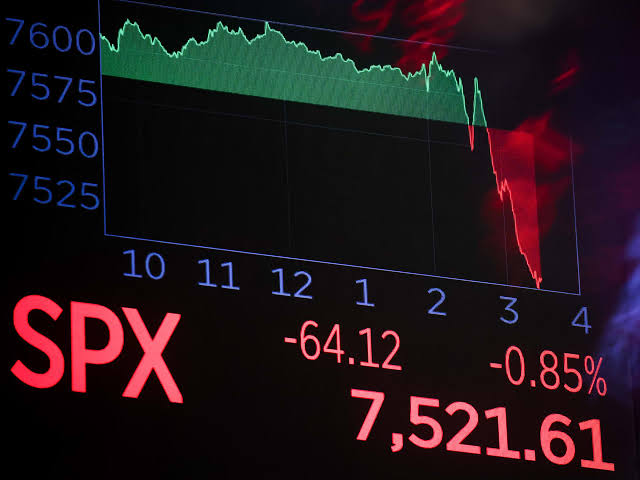
That raises the risk that diplomacy could slow further just as markets were hoping for signs of stabilization.
Oil Markets Move Back Into Focus
The biggest concern for investors remains energy. The Middle East conflict has already pushed oil prices higher this year, and another deterioration in relations could renew fears around supply disruptions.
Markets are closely watching: Oil prices, Shipping routes through the Strait of Hormuz, Inflation risks, Global market volatility
Energy remains one of the strongest-performing sectors of 2026, partly because of these geopolitical pressures.
Crypto and Risk Assets Face Pressure
Risk sentiment has also weakened. Short-term market analysis points toward a more defensive environment, supported by:
- Stronger US dollar levels
- Higher Treasury yields
- Rising geopolitical uncertainty
Crypto markets remain especially sensitive because recent price moves have been tied closely to liquidity conditions and risk appetite.
If tensions rise further, investors may continue reducing exposure to higher-risk assets. Markets have spent much of the year balancing:
AI optimism
Strong earnings
Energy shocks
Geopolitical risks
The latest US-Iran development brings attention back to the last two. For now, investors are waiting for one thing: Whether diplomacy returns, or whether markets need to price a longer period of Middle East uncertainty.
Disclosure: This article does not represent investment advice. The content and materials featured on this page are for educational purposes only
Related: Trump and Xi Wrap Up “Successful” China Summit, But Major Trade Questions Remain