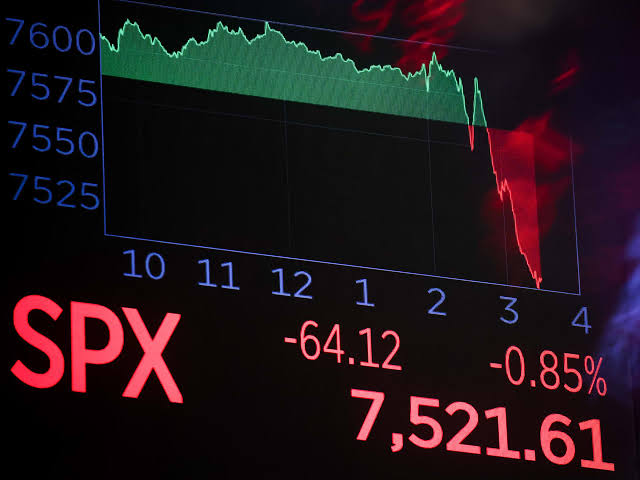

The number of Americans filing new applications for unemployment benefits fell sharply last week, underscoring the resilience of the US labor market and reinforcing expectations that the Federal Reserve will remain focused on inflation rather than employment as it considers its next policy move.
Initial jobless claims dropped by 22,000 to a seasonally adjusted 187,000 in the week ended July 18, according to data released by the US Labor Department. The reading was well below economists’ expectations of 212,000 claims and marked the lowest level since September 1969.
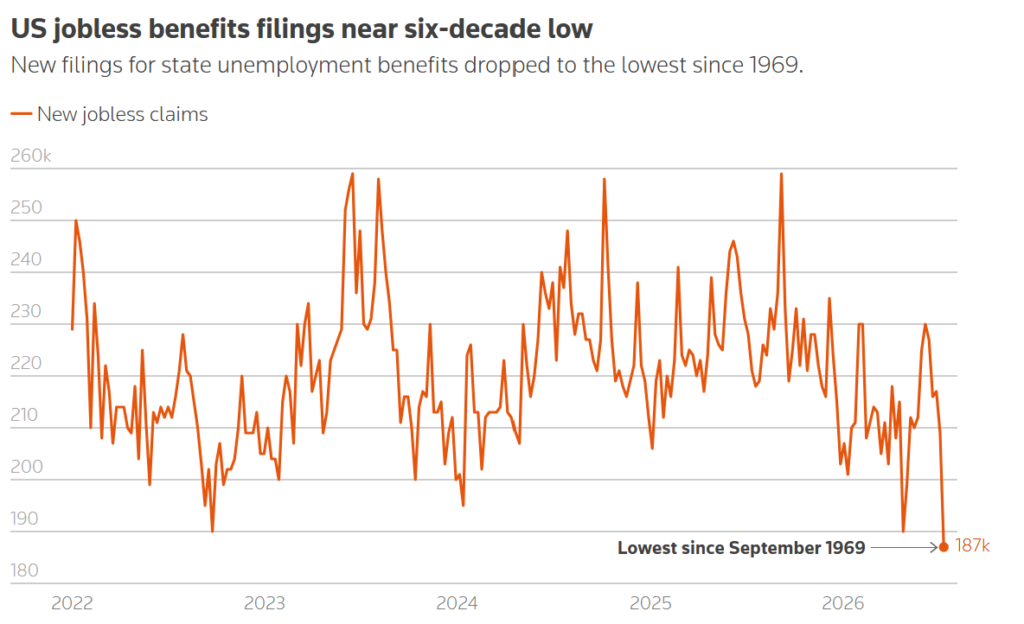
The report also showed that continuing claims, which reflect the number of people receiving unemployment benefits after an initial week and are viewed as a proxy for hiring conditions, fell to 1.796 million, the lowest level in six weeks.
The latest figures suggest employers continue to retain workers despite slowing hiring activity, highlighting a labor market characterised by low layoffs and modest job creation. Economists noted that part of the decline may have been influenced by seasonal factors, including temporary shutdowns at auto plants for annual retooling, meaning claims could rebound in the coming weeks.
The claims data follows June’s unemployment report, which showed the jobless rate unexpectedly fell to 4.2%, although the decline was largely driven by a smaller labour force rather than a surge in hiring.
A resilient labor market gives the Federal Reserve greater flexibility to prioritise inflation, which remains above its 2% target. Markets widely expect policymakers to leave interest rates unchanged at next week’s meeting, though investors continue to price in the possibility of at least one rate hike before the end of the year.
For investors, the stronger-than-expected employment data reinforces the view that the US economy remains on solid footing. However, continued labor market strength could delay interest-rate cuts—or even support further tightening if inflationary pressures persist, keeping borrowing costs higher for longer and influencing valuations across equities and bonds.
Disclosure: This article does not represent investment advice. The content and materials featured on this page are for educational purposes only.