
SpaceX has officially priced the largest initial public offering (IPO) in US history, raising a record $75 billion and cementing its place among the world’s most valuable companies before shares even begin trading.
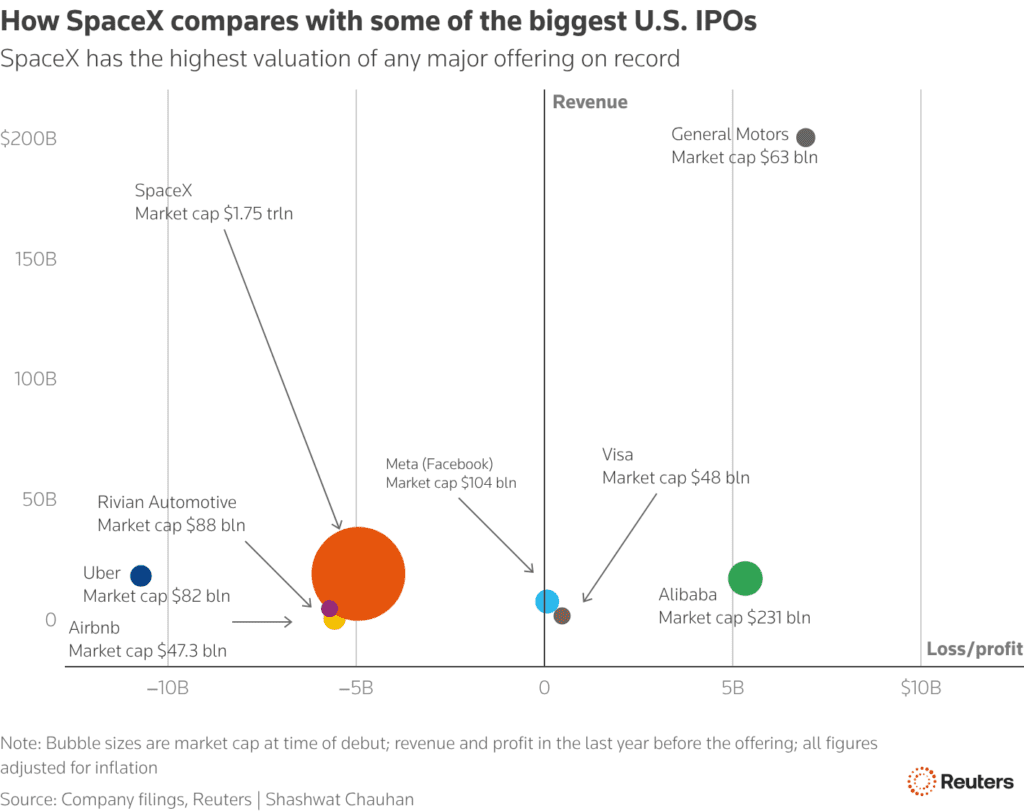
The Elon Musk-led company priced its IPO at $135 per share, selling 555.6 million shares and securing a valuation of approximately $1.77 trillion. The listing will see SpaceX begin trading on the Nasdaq under the ticker SPCX.
The historic offering easily surpasses previous IPO records and marks one of the biggest milestones for global equity markets in recent years. SpaceX will debut as one of the largest publicly traded companies in the US, despite still operating at a loss as it continues investing heavily in rockets, satellite communications, and AI infrastructure.
Unlike a traditional IPO, SpaceX broke with Wall Street convention by announcing its final offering price well before completing the usual book-building process. The unconventional approach reflected Musk’s confidence in investor demand and the company’s ability to attract capital on its own terms.
The company plans to use the proceeds to accelerate several long-term projects, including:
- Starship, its next-generation reusable rocket.
- Starlink, the world’s largest satellite internet network.
- Orbital AI computing infrastructure, a key part of SpaceX’s long-term growth strategy.
- Future missions aimed at expanding commercial space operations.
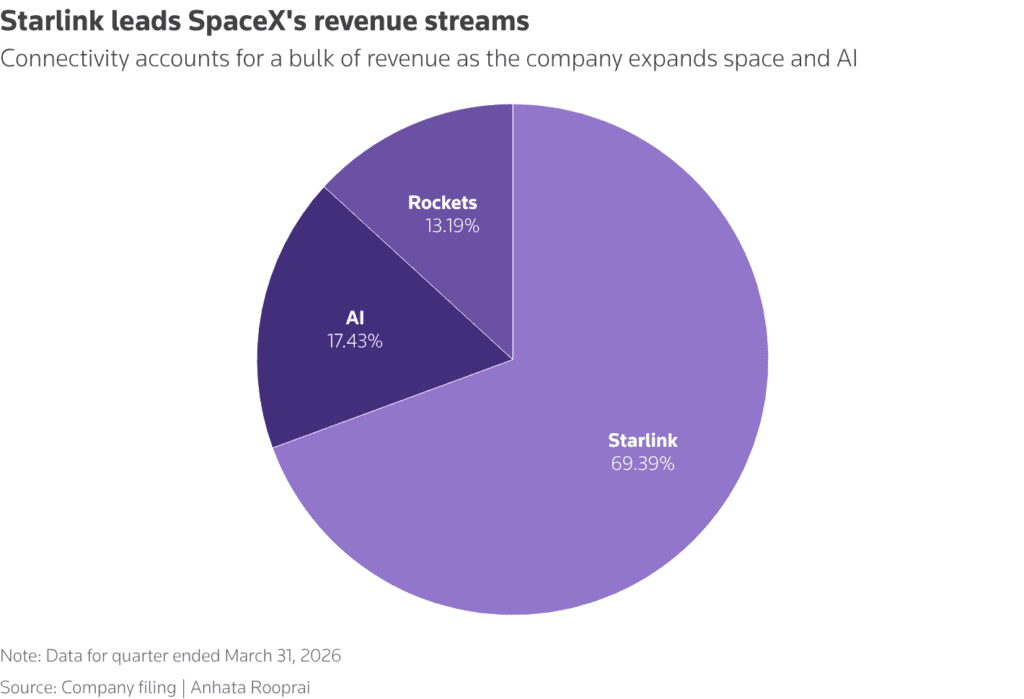
The IPO also arrives as investor appetite for AI and next-generation technology companies continues to strengthen. SpaceX has positioned itself not only as a space company but also as an emerging AI infrastructure provider, with plans to build orbital computing networks that could support future artificial intelligence workloads.
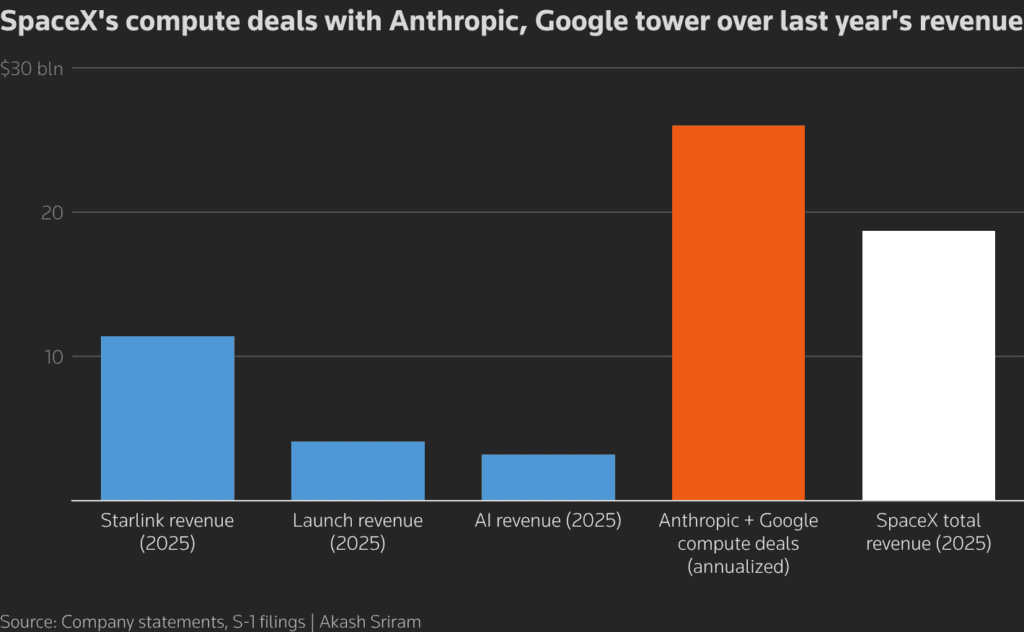
For investors, the listing represents more than just a landmark IPO. It signals that capital markets remain willing to back companies making massive long-term investments in AI, space technology, and digital infrastructure, even before those projects generate significant profits.
Disclosure: This article does not represent investment advice. The content and materials featured on this page are for educational purposes only.