

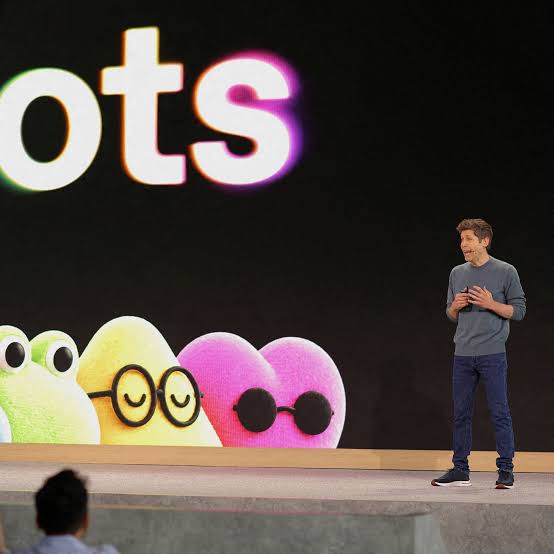

OpenAI has introduced dots, AI agents designed to carry out ongoing work using connected tools and their own cloud computers.
The launch puts OpenAI in competition with Meta’s Muse.
What dots can do
Powered by GPT-6 Astra, dots can use a browser, access connected tools and handle recurring assignments. They can also delegate parts of a task to other agents, according to OpenAI’s technical documentation.
The potential appeal is continuity. An assistant that can maintain an assignment over time could reduce the need to restart conversations, repeat instructions and manually transfer information between applications.
For businesses, that could make automation useful across longer workflows, provided the assistant can complete tasks accurately and respect its permissions.
Why the competition matters
The commercial prize could be becoming the service people consult before opening another app.
If users increasingly delegate product research, travel planning or routine administration, the assistant could influence which businesses and services they encounter. That would create opportunities for companies integrated into these workflows, while potentially weakening others’ direct relationships with customers.
This is a possible business consequence of wider adoption, rather than an established outcome of the launch.
Related: Meta Wants to Do Your Shopping. Amazon Has Other Plans.
Reliability will decide the value
An assistant’s usefulness will depend on how much work it finishes correctly without creating additional checking and correction.
For paying customers, the test is straightforward: does it save enough time to justify its cost? For businesses adopting it, the same calculation must also account for data access, accountability and the consequences of mistakes.
The launch adds another competitor to the assistant market. Lasting success will depend on turning that promise into dependable everyday work.